
Los Angeles Protests Turn Perilous for Photojournalists
Reuters Photographer Details Risks Amidst Immigration Protest Chaos
Covering escalating demonstrations in Los Angeles has become increasingly dangerous for journalists, with photographers facing threats and even physical harm while documenting clashes between protesters and law enforcement. The situation highlights the growing challenges of reporting from the front lines of civil unrest.
Facing the Fire
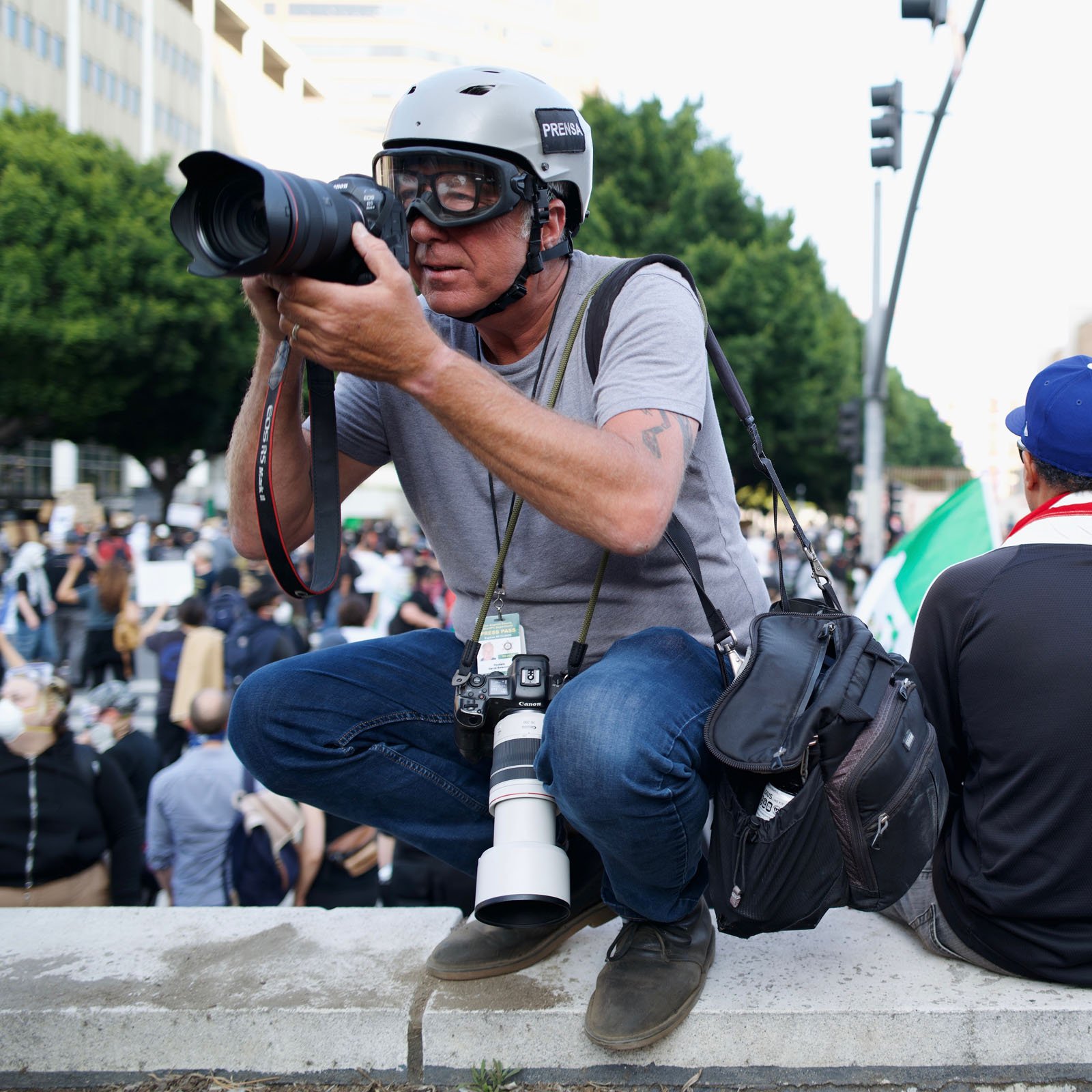
David Swanson, a Pulitzer Prize-winning photojournalist working for Reuters, described the volatile environment. Have I been shot at? Oh God, yeah,
he stated, adding, Sometimes they aim and don’t shoot.
The veteran photographer noted the difficulty of distinguishing between legitimate media and individuals falsely claiming press credentials to exacerbate tensions.
According to the U.S. Press Freedom Tracker, there have been at least 18 reported incidents of press freedom violations during protests in 2024, including physical assaults and equipment damage. Press Freedom Tracker
Blurred Lines and Targeted Attacks
The unrest has extended beyond confrontations with protesters, with media personnel becoming direct targets. Following incidents of looting and the subsequent use of images from social media to identify suspects, some demonstrators have threatened or attacked journalists with cameras. Swanson explained that the sheer number of cameras present—both professional and amateur—complicates the situation, blurring the lines between news gathering and instigation.
From Combat Zones to City Streets
Swanson’s extensive experience includes assignments in conflict zones, including Afghanistan in 2003 and Iraq in 2004, where he was wounded in action. He also documented the aftermath of Hurricane Katrina in 2005 and the 2010 earthquake in Haiti, and shared a 2012 Pulitzer Prize for coverage of school violence with The Philadelphia Inquirer. Despite his background, he acknowledged that covering the Los Angeles protests presents unique risks.
“I’m not going to get killed (in the Los Angeles protests),”
—Swanson, Photographer
Swanson prioritizes blending into the environment to avoid becoming a target. We (photographers) don’t want to be picked out in the (gun) sights,
he said. He carries protective gear, including a helmet and ballistic goggles, along with essential supplies like water and snacks.
A Different Kind of Blaze
Having relocated to Los Angeles in 2019, Swanson has become known for his work documenting wildfires. He draws a distinction between covering wildfires and the current protests, noting that Fire is a common enemy
while In this one (Los Angeles confrontation), everyone has their own agenda.
His image of a man with a Mexican flag amidst burning ruins, published by Reuters on June 9, quickly circulated worldwide.

The situation remains fluid, and the safety of journalists continues to be a paramount concern as protests persist in Los Angeles.
