
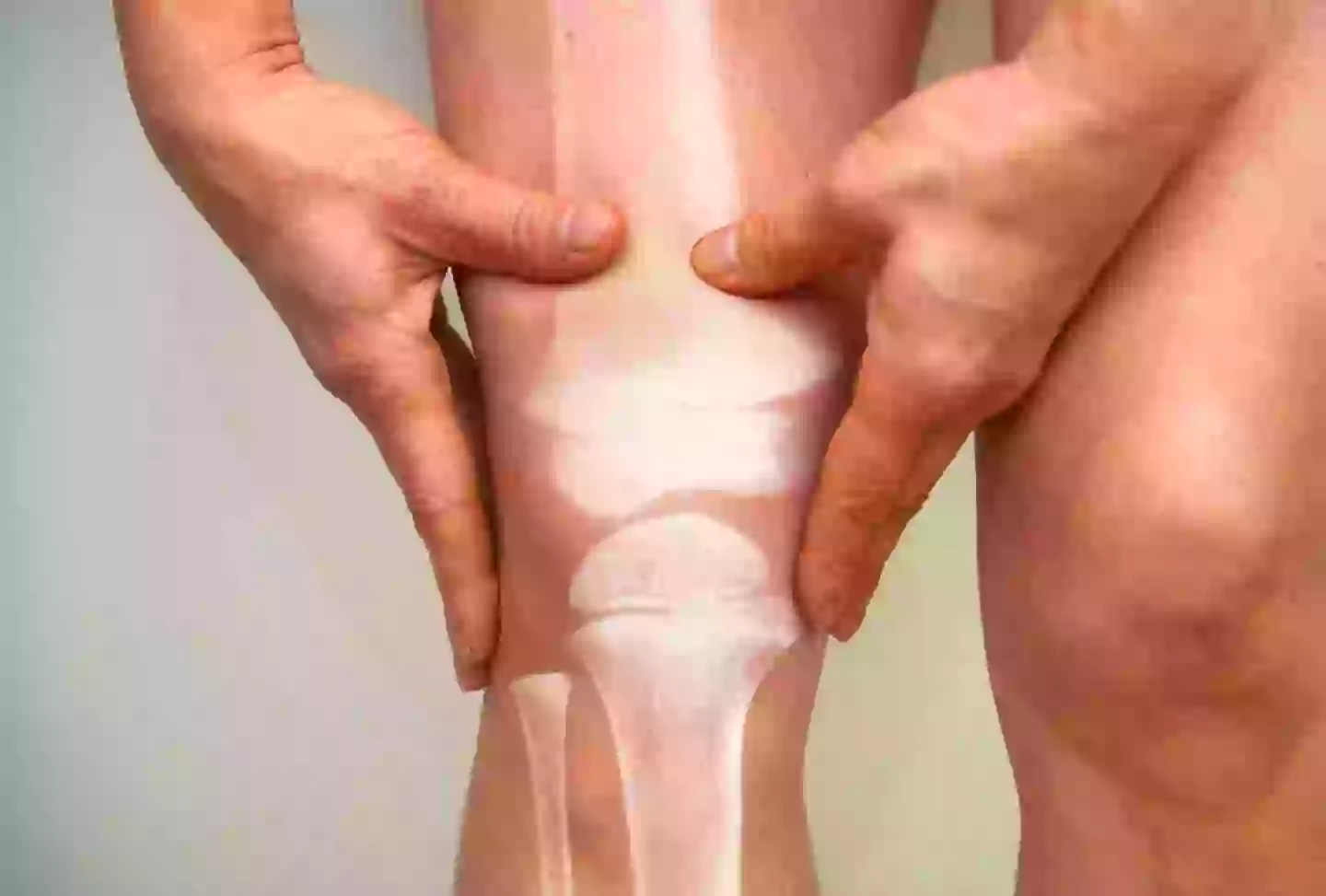
Ozempic and Bone Density: Growing Health Concerns
London – May 15,2024 – Concerns are mounting over the impact of drugs like ozempic on bone health. The use of these medications, often prescribed for weight loss, has raised questions about the potential for accelerated bone density loss, and risks of osteoporosis. Medical experts emphasize the need for careful monitoring and discuss proactive measures that will preserve bone health in those taking Ozempic; the rising popularity of these drugs has prompted growing awareness. For further insights on this critical health topic, see below.
Ozempic, Wegovy, and Bone Density: A Growing Concern
the rising popularity of drugs like Ozempic, Mounjaro, and Wegovy, primarily prescribed for Type-2 diabetes, has sparked warnings from doctors about a perhaps irreversible side effect. These medications, containing GLP-1 agonists, are now linked to a concerning loss of muscle and bone mass, particularly when used for weight loss without proper medical supervision.
The Risk of Muscle and Bone Loss
The Royal Osteoporosis Society (ROS) and medical professionals are raising alarms about individuals using these drugs for weight loss potentially losing vital muscle and bone mass, not just fat. This can lead to impaired strength, joint instability, and an increased risk of osteoporosis, a condition characterized by brittle bones.
Did You Know?
Osteoporosis affects millions worldwide, making bones weak and prone to fractures. Maintaining bone density is crucial for overall health and mobility.
Expert insights
Julia Thomson, ROS Nurse Manager and Osteoporosis Specialist Nurse, emphasized the importance of responsible prescribing:
It has long been recognised that extreme and rapid weight loss can impact negatively on bone and muscle mass, this is a risk regardless of the way in which weight is lost. We are unaware of any other mechanism (other than the weight loss) via which GLP1’s may impact negatively on bone. It is important to remember that there are also many health risks associated with obesity (including osteoporosis).
Julia Thomson, ROS Nurse Manager and osteoporosis Specialist Nurse
Thomson further added:
A balance is required, but this can only be achieved if these drugs are used under the care of a responsible prescriber such as a GP or recognised online provider. This ensures that GLP1’s are prescribed appropriately to those who need it, weight loss is monitored, and nutritional support is provided. A good well-balanced calcium and protein rich diet is particularly important for bones, and it is vital to stay active and incorporate regular exercise into your routine to ensure that bones stay strong and healthy.
julia Thomson, ROS Nurse Manager and Osteoporosis Specialist Nurse
For more information on bone health, visit the ROS website at www.ros.org.uk.
Celebrity Experiences and Medical Warnings
While some, like Jeremy Clarkson, have spoken about the negative impacts of Ozempic, doctors worldwide have consistently warned about the potential short-term and long-term complications associated with these medications. Pharmaceutical companies also urge the public to obtain genuine prescriptions before using them.
Pro Tip
Before starting any weight loss medication, consult with a healthcare professional to discuss potential risks and benefits. Ensure you have a balanced diet and exercise plan in place.
The Link to Osteoporosis
Singer Avery recently confirmed her diagnosis of osteoporosis after just one year of taking Ozempic, highlighting the potential for rapid bone density loss. Professor Carl Heneghan, director of Oxford University’s Center for Evidence-Based Medicine, cautioned:
Any drug that reduces muscle mass and bone density is a bad idea for people who are frail and those vulnerable to fractures with osteoporosis. The evidence is clear – these drugs carry significant risks and the longer a patient stays on them, the greater the risk.
Professor Carl Heneghan, director of Oxford University’s Centre for Evidence-Based Medicine
Studies indicate that women are at a higher risk of osteoporosis when taking these drugs, especially post-menopause due to decreased estrogen levels.
The Importance of Nutrition and Exercise
Dr. Taher Mahmud, founder of the London Osteoporosis Clinic, emphasized the need for proactive measures:
It is essential that those taking GLP-1 agonists know about the importance of good nutrition and weight-bearing exercise.
Dr. Taher Mahmud, founder of the London Osteoporosis Clinic
