
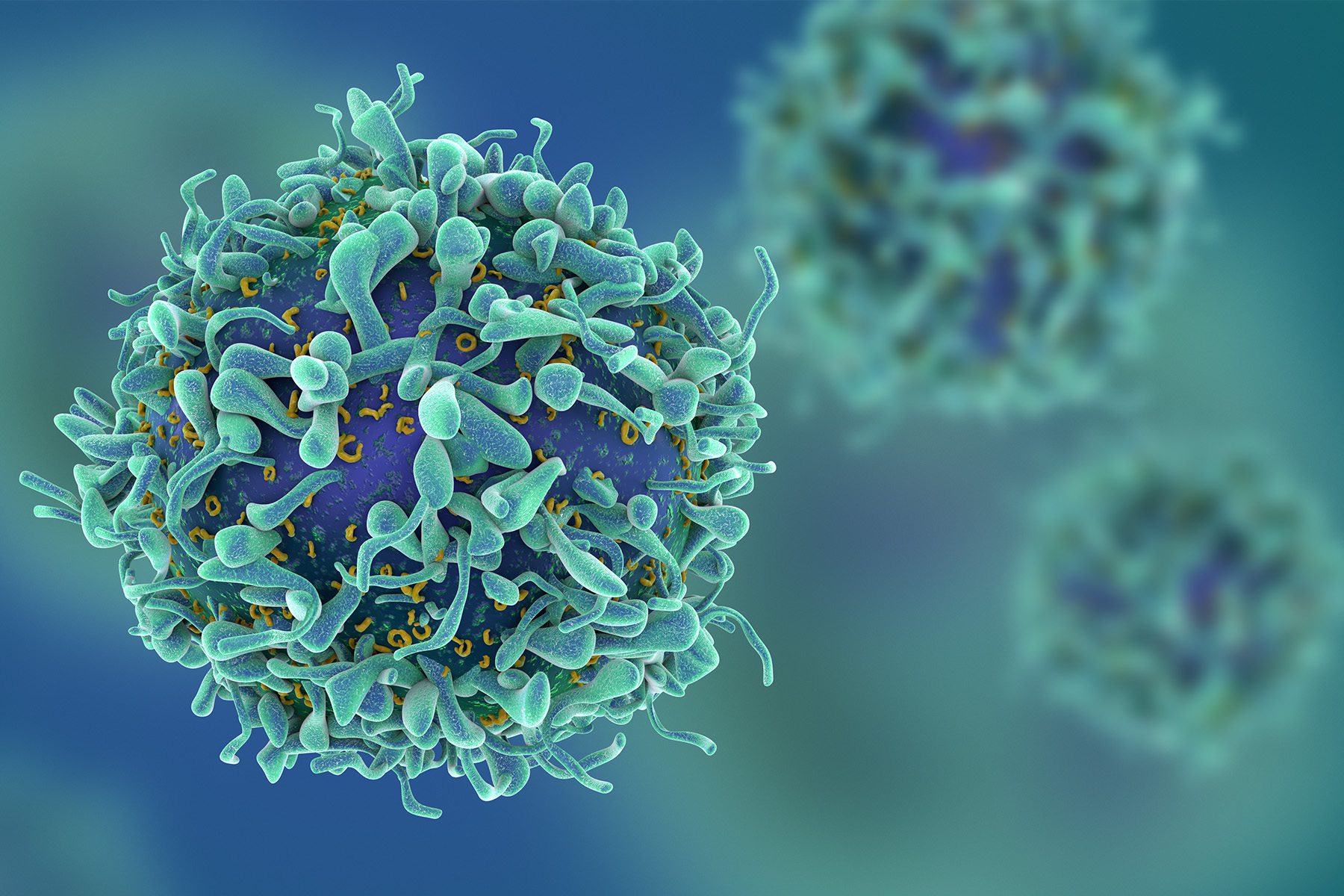
Immunotherapy Stops More Head and Neck Cancers From Returning: ASCO 2025 Highlights
CHICAGO-The annual American Society of Clinical Oncology (ASCO) meeting, a pivotal event for cancer researchers worldwide, is currently underway. Among the groundbreaking studies being presented, one stands out for its potential to revolutionize the treatment of head and neck cancers.
A Turning Tide in Head and Neck cancer Treatment
For decades, progress in treating head and neck cancer has been slow. Though, the immunotherapy drug pembrolizumab (Keytruda) is now offering new hope. This medication, which empowers the immune system to fight cancer cells, has already been approved for some patients with head and neck cancers that cannot be surgically removed.
new research unveiled at ASCO 2025 demonstrates that pembrolizumab can also be used in conjunction with surgery to enhance treatment outcomes before the cancer spreads. The KEYNOTE-689 study explored the impact of adding pembrolizumab to the beginning and end of standard treatment for locally advanced head and neck cancers.
Did you know? Head and neck cancers account for approximately 4% of all cancers in the United States. Early detection and advancements in treatment are crucial for improving patient outcomes.
The results are promising: on average, the addition of pembrolizumab extended the time before the cancer returned to more than four years, compared to just two-and-a-half years for patients receiving standard care alone.
Notably, a significant portion of the 714 patients in the trial had cancers particularly susceptible to pembrolizumab. In this subgroup, the drug nearly doubled the average time to cancer recurrence, pushing it to five years.
Furthermore, the study indicated that pembrolizumab reduced the risk of cancer spreading to other parts of the body and the advancement of new cancers in all patients.
Expert Insights on Immunotherapy’s Impact
Professor Kevin Harrington, a scientist at the institute of Cancer Research (ICR), led the U.K. arm of the international, 24-country trial. He explained the treatment approach in an interview with the BBC:
We give the immune system the chance to have a good look at the tumour to generate anti-tumour immunity and then, after removal of the tumour, we continue to amplify that immune response by giving the drug continually for up to a year.Professor Kevin Harrington, institute of Cancer Research
Harrington emphasized the potential of this research to transform patient care:
this research shows that immunotherapy could change the world for these patients. It significantly decreases the chance of cancer spreading around the body, at which point it is indeed incredibly tough to treat.Professor Kevin Harrington, Institute of Cancer Research
pro Tip: Immunotherapy works by helping your immune system recognize and attack cancer cells. It’s a rapidly evolving field with new treatments and approaches constantly being developed.
