
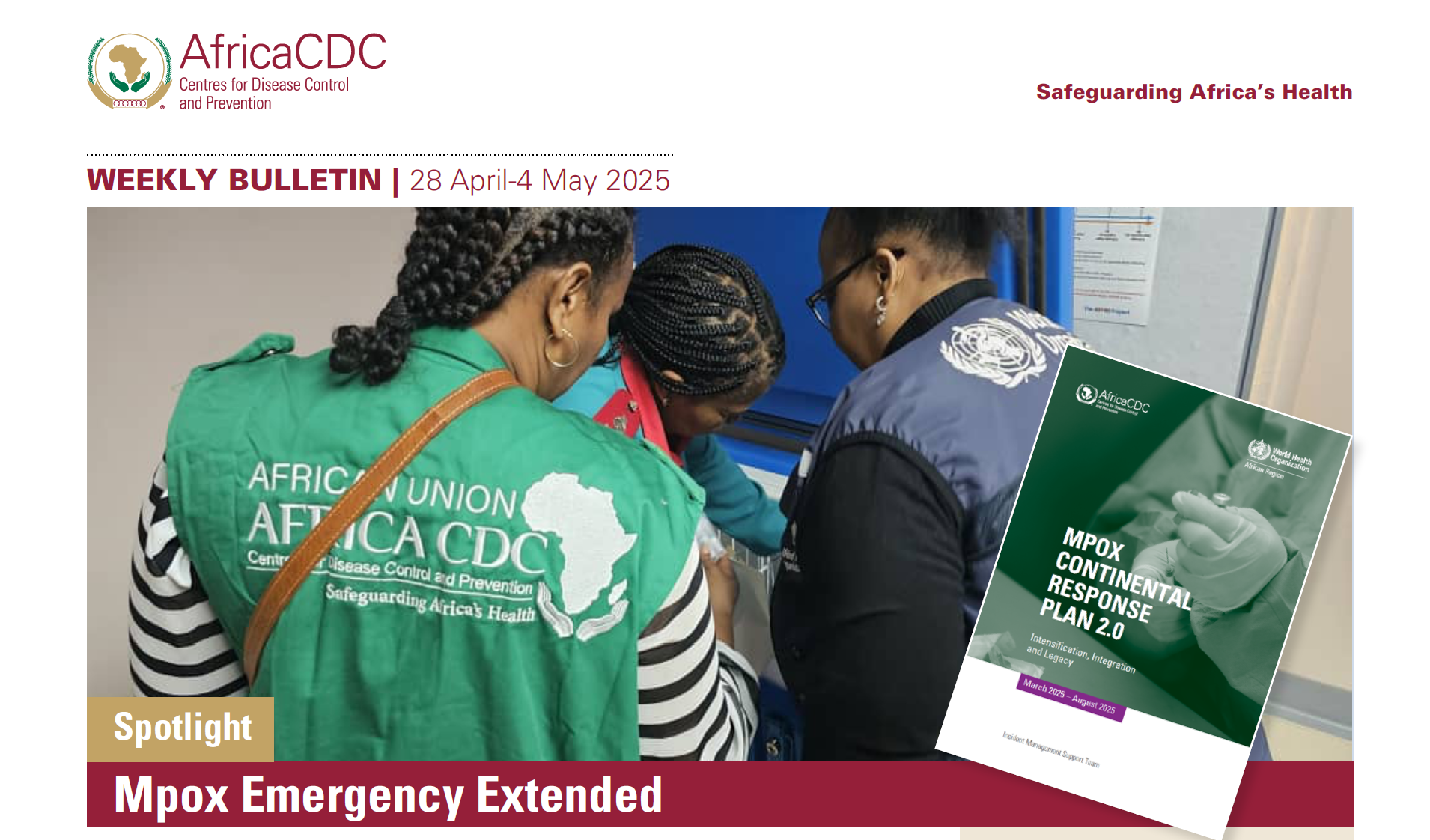
Mpox Emergency Extended: Africa CDC and WHO Launch New Response Phase
The global health community is bracing for a renewed effort to combat Mpox, as both the Africa Centres for disease Control and Prevention (Africa CDC) and the World Health Organization (WHO) have extended their respective Public Health Emergency declarations. This decision follows a extensive review of the situation,highlighting both progress made and persistent challenges in controlling the spread of the virus.
The initial declarations,with Africa CDC declaring a Public Health Emergency of Continental Security (PHECS) on August 13,2024,and WHO declaring a Public Health Emergency of International Concern (PHEIC) the following day,triggered a coordinated response. This included a six-month joint continental Mpox Preparedness and Response Plan, spearheaded by a unified Incident Management Support team (IMST) with participation from more then 20 countries and global partners.
progress and persistent Challenges
Significant strides have been made in several key areas:
- Streamlined coordination among international and national health bodies.
- Expanded testing capabilities to identify and track cases more effectively.
- Improved surveillance systems for early detection of outbreaks.
- Enhanced community engagement to promote awareness and prevention.
- Vaccination rollouts targeting high-risk populations.
- Strengthened case management protocols to improve patient outcomes.
Despite these advancements, Mpox remains a significant public health threat.As of february 2025, 22 countries have been affected: 7 are now in control, while 15 remain in active response.
While Burundi, Rwanda, and the Central African Republic (CAR) are showing a downward trend in cases, rising numbers in Uganda and Sierra Leone, coupled with the challenges in conflict-affected areas of the Democratic Republic of Congo (DRC), are raising concerns.
The Road Ahead: Mpox Continental Response and Legacy plan 2.0
Following unanimous recommendations from both the IHR Emergency Committee and Africa CDC’s Emergency Consultative group on february 25–26, 2025, the declarations were extended, paving the way for a new phase of response. this new phase is embodied in the Mpox Continental Response and Legacy Plan 2.0 (March–August 2025).
This plan serves as a roadmap to complete the response and embed it into national health systems—leaving a lasting legacy of strengthened resilience.
The focus is not only on containing the current outbreak but also on building lasting health infrastructure to prevent and manage future outbreaks.
Resources and Contact Facts
For more detailed information, refer to the full brief:
- english PDF: Africa CDC weekly Brief | April 28 – May 4,2025
- French Version: Bulletin hebdomadaire d’Africa CDC | 28 Avril – 4 Mai 2025
For direct inquiries or media engagement, contact: communications@africacdc.org
Frequently Asked Questions (FAQ)
- What is Mpox? Mpox is a viral disease that can cause a painful rash, enlarged lymph nodes, and fever.
- How does Mpox spread? It spreads through close contact with an infected person or animal, or with material contaminated with the virus.
- Is there a vaccine for Mpox? Yes, vaccines are available and are being deployed in affected regions.
- What should I do if I think I have Mpox? Contact your healthcare provider immediately for testing and guidance.
- Where can I find reliable information about Mpox? Consult the Africa CDC and WHO websites for the latest updates and recommendations.
