
Decoding Cherry Blossoms: A Guide too Identifying JapanS Iconic Blooms
As cherry blossom season sweeps across Japan, many Americans who appreciate the beauty of these trees, either from afar or during visits, frequently wonder about the different varieties. This guide, featuring insights from Japanese flower Association researcher Koyama Toru, provides a practical approach to distinguishing between the most common types, including the beloved Somei Yoshino.
Japan’s Cherry Blossom Diversity: More than Just One Type
While the Somei Yoshino cherry tree might be the most recognizable face of Japan’s spring, the world of cherry blossoms, or “sakura,” is surprisingly diverse. Koyama Toru explains, “Cherry blossoms are deciduous trees of the genus Sakura, a subfamily of the Rosaceae, and it is said that there are over 400 varieties in Japan.” These varieties fall into two main categories: wild cherry trees and cultivated varieties.
Among the wild varieties, mountain cherry blossoms are especially noteworthy. The cultivated varieties, known as Sato Sakura, are the result of centuries of careful breeding and selection. These cultivated trees offer a stunning array of colors, shapes, and flowering times, extending the cherry blossom season and providing a visual feast for enthusiasts.
For many, the Somei Yoshino serves as the quintessential cherry blossom. “As most of the people we see at cherry blossom viewing areas are Somei Yoshino,it is indeed no exaggeration to say that the cherry blossom equals Somei Yoshino,” Koyama Toru notes. However, understanding the nuances of other varieties can considerably enrich the hanami experience, the traditional Japanese custom of enjoying the transient beauty of flowers.
The Story Behind Somei Yoshino: A national Favourite
the Somei Yoshino holds a special place in the hearts of the Japanese people, and its popularity has spread internationally, including to the United States. This variety is known for its delicate, almost pure white blossoms that appear before the leaves, creating a breathtaking spectacle. Its widespread planting throughout Japan has made it synonymous with the cherry blossom season.
Though, the Somei Yoshino’s dominance also presents a challenge for those seeking to appreciate the full spectrum of cherry blossom diversity. Koyama Toru emphasizes the importance of recognizing other varieties,stating,”It is significant to know the characteristics of each type of cherry tree.” This knowledge allows enthusiasts to move beyond the familiar and discover the unique beauty of less common blossoms.
In the United States, cherry blossom festivals, such as the National Cherry Blossom Festival in washington, D.C., often feature Somei Yoshino trees. However, efforts are underway to introduce and promote other varieties, offering Americans a broader appreciation of Japanese cherry blossom culture. This includes planting different types of cherry trees in botanical gardens and public parks across the contry.
Distinguishing the Details: Identifying Somei Yoshino, Oshima Sakura, and Edohigan
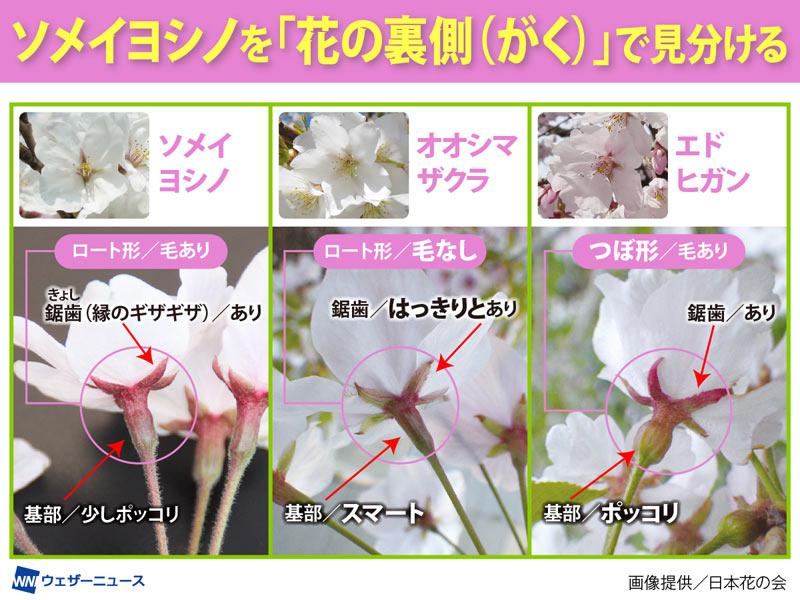
One of the key methods for differentiating cherry blossom varieties, as Koyama Toru suggests, involves observing the sepals, the small leaf-like structures at the base of the flower. These subtle differences can provide valuable clues to the identity of the tree.
Here’s a breakdown of the sepal characteristics for three common varieties:
| Variety | Sepal Shape | Sepal Hairiness |
|---|---|---|
| somei Yoshino | Frost-shaped | Hairy |
| Oshima Sakura | Frost-shaped | Hairless |
| Edohigan | Bulging and chubby, frost-shaped | hairy |
These seemingly minor details can be crucial for accurate identification. Such as, the hairy sepals of the Somei Yoshino distinguish it from the Oshima Sakura, which has smooth, hairless sepals. The Edohigan, an early bloomer, presents a unique sepal structure that sets it apart from the other two.
Beyond the Flowers: Examining the bark
Along with the flowers themselves, the bark of the cherry trees can offer valuable clues, especially when the trees are not in bloom. The texture and patterns of the bark can help to distinguish between different varieties.
Here’s a comparison of the bark characteristics for the same three varieties:
| Variety | Bark Characteristics |
|---|---|
| Somei Yoshino | Horizontal streaks |
| Oshima Sakura | Shiny, glossy bark with horizontal streaks |
| Edohigan | Shallow vertical clefts, like oaks |
The Somei Yoshino and Oshima Sakura both exhibit horizontal streaks on their bark, but the Oshima Sakura’s bark is noticeably shinier and glossier. The Edohigan, with its vertical clefts, stands out with a bark texture more akin to that of an oak tree. These bark characteristics provide another layer of identification for cherry blossom enthusiasts.
Cherry Blossom Viewing: enhancing the Experience
Understanding the nuances of different cherry blossom varieties can significantly enhance the hanami experience. Instead of simply admiring the overall beauty of the blossoms, enthusiasts can engage in a deeper exploration of nature and Japanese culture.
Koyama Toru emphasizes that knowing the characteristics of each variety “enriches the experience immeasurably.” This knowledge transforms a pleasant outing into an engaging exploration,allowing individuals to appreciate the subtle differences and unique qualities of each type of cherry tree.
For Americans visiting Japan during cherry blossom season, learning to identify different varieties can add another layer of enjoyment to their trip. It provides a deeper connection to the natural beauty and cultural significance of these iconic blossoms. Even for those who appreciate cherry blossoms from afar, a deeper understanding of their diversity can foster a greater appreciation for these natural wonders.
Consider this YouTube video for a visual guide to cherry blossom identification:
