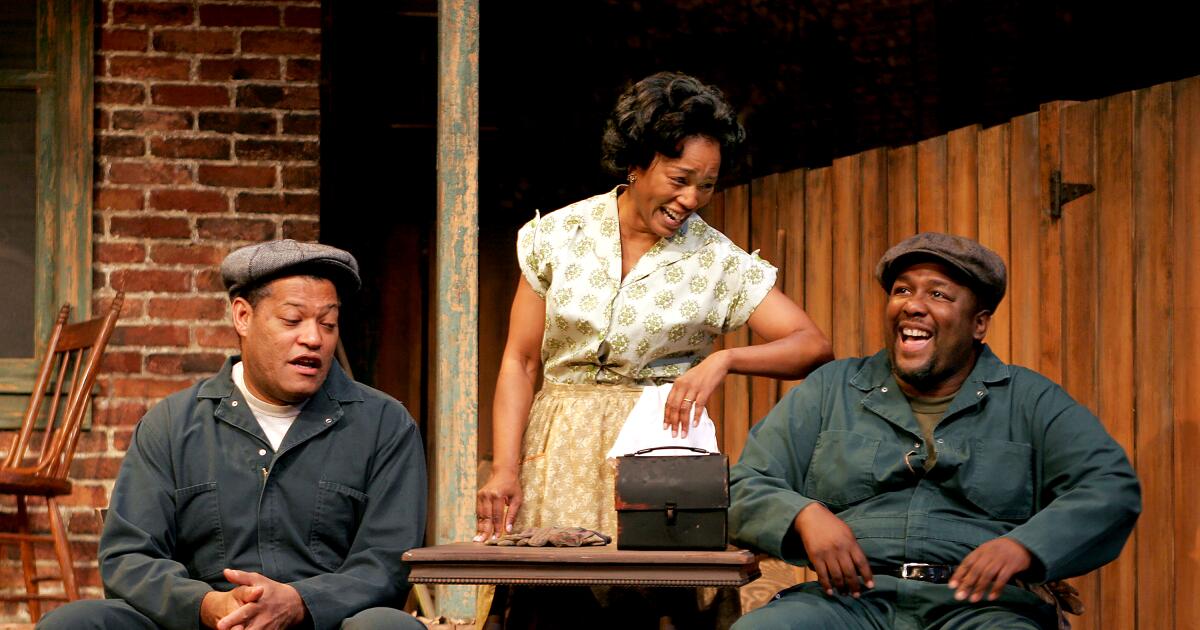
Center Theatre Group unveils its 2026–2027 season under artistic director Snehal Desai, balancing original IP like “The Turning” with classics such as “Fences.” Located in Los Angeles, the slate addresses regional instability from wildfires and civil unrest through strategic programming. This move counters industry-wide attendance declines by prioritizing communal catharsis and long-term brand equity over safe adaptations.
Regional theater operates on shifting sands, a reality Snehal Desai knows intimately. As the artistic director surveys the 2026-27 calendar, he isn’t just booking shows; he is mitigating risk. The Los Angeles landscape remains volatile, scarred by the recent Eaton fire wildfires and the emotional fallout from summer immigration crackdowns. These aren’t just headlines; they are logistical nightmares that depress ticket sales and complicate production budgets. When a cultural institution plans amidst such uncertainty, the strategy must pivot from mere entertainment to essential community infrastructure. Desai’s lineup reflects this, opting for works that demand physical presence in an era where SVOD platforms dominate consumption.
The Economics of Original IP vs. Adaptation
The industry obsession with intellectual property syndication often sidelines original voices, yet Center Theatre Group is betting against the grain. While Disney Entertainment consolidates power under novel leadership like Dana Walden, focusing on film, TV, and games, regional theaters must cultivate their own IP to survive. The world premiere of Zack Zadek’s “The Turning” represents a critical investment in original content. Unlike adaptations of films or TV shows, original musicals carry higher development costs but offer unlimited backend gross potential if they transfer.
Per the latest data from the Broadway League, original musicals account for a smaller fraction of productions but drive significant long-term brand equity when successful. Desai’s intuition to champion Zadek’s folk thriller aligns with a broader industry shift toward owning content rather than licensing it. This reduces copyright infringement risks and eliminates licensing fees that eat into marginal profits. The decision to stage an original concept rather than a known commodity signals confidence to investors and subscribers alike.
“We just constantly live in this time period that feels like we’re on shifting sands. Nonetheless, the company is finding paths through the desert.” — Snehal Desai, Artistic Director, Center Theatre Group
Contrast this regional agility with the macro-shifts happening in corporate media. As reported by Deadline, Dana Walden’s restructuring of Disney Entertainment emphasizes a unified leadership team spanning film, TV, streaming, and games. This consolidation highlights the pressure on live theater to offer something streaming cannot: immediacy and shared human experience. While streaming giants optimize for churn rates, live theater optimizes for memory. The Center Theatre Group’s choice to stage August Wilson’s “Fences” serves as an anchor, leveraging established brand equity to subsidize riskier new works.
Logistical Challenges and Crisis Management
Producing a season in Los Angeles requires more than artistic vision; it demands robust crisis management. The mention of wildfires and civil unrest in the planning phase indicates a need for specialized support. When external forces threaten venue safety or audience mobility, standard operating procedures fail. Production companies must engage crisis communication firms and reputation managers to navigate public sentiment during volatile periods. A single safety incident can derail a season’s financial projections, making proactive risk assessment vital.

the logistical scope expands when looking toward the 2028 L.A. Olympics. Desai notes the company is planning toward this horizon, anticipating an influx of tourism and heightened security requirements. A tour or season of this magnitude isn’t just a cultural moment; it’s a logistical leviathan. The production is already sourcing massive contracts with regional event security and A/V production vendors, while local luxury hospitality sectors brace for a historic windfall. Aligning a theater season with Olympic timelines requires synchronization with city-wide infrastructure, ensuring that audience access remains uninterrupted despite potential traffic congestion or security perimeters.
Labor Markets and Occupation Stability
The health of the entertainment sector is also a reflection of labor stability. According to the U.S. Bureau of Labor Statistics, arts and media occupations face fluctuating demands based on economic conditions. The Center Theatre Group’s commitment to employing local talent and developing new works supports the Unit Group 2121 classification of Artistic Directors and Media Producers. By investing in human capital, the theater buffers against the industry-wide trend of contracting freelance opportunities.
Desai’s approach to balancing “rabble-rousing” material with celebratory communal events like “Boop! The Musical” demonstrates an understanding of audience psychology. In times of anxiety, consumers seek relief. The inclusion of Karen Zacarías’ “Destiny of Desire” and Cole Escola’s “Oh, Mary!” provides comedic relief, essential for maintaining subscriber retention during midterm election seasons. This programming strategy mirrors the track ordering of an album, ensuring emotional pacing throughout the fiscal year.
the 2026-27 season is a statement of resilience. It acknowledges the fragility of the current cultural moment while asserting the necessity of physical gathering spaces. As the industry navigates the tension between digital consolidation and live experience, entities like Center Theatre Group prove that localized, agile programming can withstand macro-economic headwinds. For businesses operating in this ecosystem, the lesson is clear: stability comes from diversification and strong community ties.
Navigating the complexities of modern entertainment production requires more than creativity; it demands a network of vetted professionals. Whether securing intellectual property rights or managing large-scale event logistics, the right partners ensure longevity. Explore the World Today News Directory to connect with entertainment legal services and production experts who understand the stakes of bringing stories to life in 2026.
Disclaimer: The views and cultural analyses presented in this article are for informational and entertainment purposes only. Information regarding legal disputes or financial data is based on available public records.