
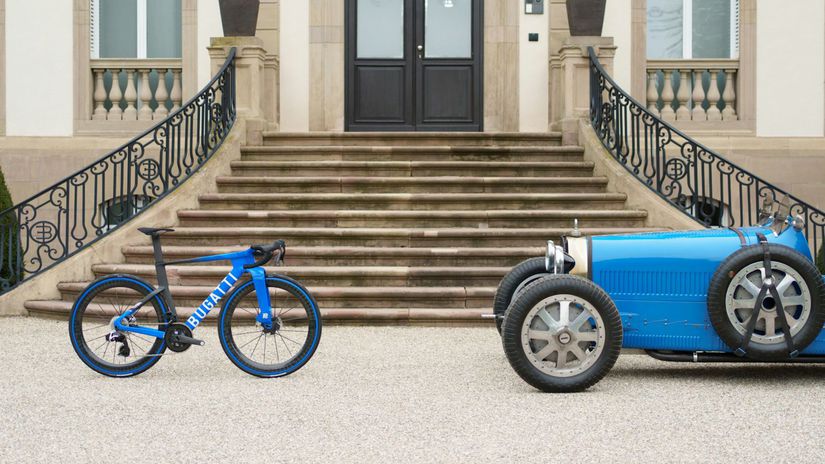
Bugatti Rimac has activated a high-margin brand extension strategy, partnering with Factor Bikes to release the “Factor ONE,” a hyper-aerodynamic road bicycle priced between €24,000 and €26,000. Limited to 250 units, this collaboration leverages Bugatti’s automotive IP to capture ultra-high-net-worth individuals (UHNWI) outside the automotive sector, signaling a broader shift in luxury asset diversification for Q2 2026.
The automotive industry is saturated. Margins on internal combustion engines are compressing, and even the electric vehicle (EV) sector is facing a profitability wall. Smart capital is looking elsewhere. When Bugatti Rimac announces a bicycle costing as much as a mid-range sedan, they aren’t selling transportation. They are selling access. The launch of the Bugatti Factor ONE is a case study in brand licensing economics, designed to extract maximum value from the Bugatti nameplate without the capital expenditure of building another hypercar factory.
The Economics of Scarcity and Licensing
At a price point of roughly $25,000 per unit and a hard cap of 250 units, the total addressable market for this specific SKU is approximately $6.25 million. For a company like Bugatti Rimac, which trades in valuations measured in billions, this revenue line is negligible on the income statement. The real value lies in the brand equity refresh. By placing the “dancing elephant” logo on a carbon-fiber bicycle frame, Bugatti maintains cultural relevance in the lifestyle sector, a critical metric for maintaining the secondary market value of their Chiron and Bolide hypercars.
Factor Bikes, the British manufacturing partner, handles the heavy lifting of R&D and production. This is a classic asset-light model. Bugatti provides the badge and the design language; Factor provides the supply chain. The frame utilizes advanced carbon composite layering, bypassing Union Cycliste Internationale (UCI) regulations to achieve aerodynamic profiles previously reserved for time-trial prototypes. This disregard for regulatory bodies signals that the target demographic isn’t professional racers bound by rules, but collectors bound by budget flexibility.
The manufacturing complexity here is non-trivial. Integrating components from Selle Italia, Carbon-Ti, and Continental into a seamless, cable-free chassis requires precision logistics. Any supply chain disruption in the carbon fiber market—a sector already volatile due to aerospace demand—could derail delivery timelines. For brands managing similar high-stakes, low-volume production runs, the margin for error is zero. This is where specialized global logistics and freight forwarders become essential partners, ensuring that high-value assets move from factory floors in the UK to private vaults in Dubai or Monaco without incurring damage or customs delays.
Intellectual Property as the Primary Asset
In 2026, the most valuable asset a legacy luxury brand owns is its trademark. The collaboration between a French automotive icon and a British cycling innovator requires a watertight legal framework. Who owns the mold? How is the royalty structure calculated against the final retail price? These are not questions for general counsel; they require specialized intervention.
“We are seeing a 15% year-over-year increase in cross-industry licensing deals within the luxury sector. Brands are realizing that their IP is under-monetized if it stays strictly within their vertical. The Bugatti bicycle isn’t about cycling; it’s about keeping the brand top-of-mind for the next generation of capital allocators.”
— Elena Rossi, Senior Partner at Meridian Capital Advisors
The risk of brand dilution is the counter-argument. If the product quality fails, the automotive brand suffers. However, Factor’s reputation for engineering rigor mitigates this. The bicycle features the Black Inc Bugatti Hyper 62 wheelset, weighing just 1,298 grams. This level of specification ensures the product stands on its own merits, protecting the licensor’s reputation. Companies navigating these waters often retain top-tier intellectual property law firms to draft licensing agreements that include strict quality control clauses and exit strategies should the partnership turn sour.
The Shift in UHNWI Consumption Patterns
Data from the 2025 Bain & Company Luxury Study indicates a pivot in how Ultra-High-Net-Worth Individuals deploy capital. Traditional status symbols—watches, handbags—are facing saturation. The new frontier is “experiential hardware.” Whether it is a $300,000 Pinarello or a $25,000 Bugatti bike, the consumer is buying a story of engineering excellence. The Bugatti Factor ONE taps into this by offering a tangible piece of hypercar technology. The frame geometry, inspired by the Bugatti Bolide, promises stability at high speeds, a claim that resonates with buyers who likely own the car version as well.

This trend suggests a broader market opportunity for B2B service providers. As luxury brands fragment into lifestyle conglomerates, they require specialized brand management consultancies to oversee these disparate product lines. A car company knows how to sell cars. It does not necessarily know how to market carbon fiber bicycles to a cycling enthusiast who cares more about gram weight than horse power. The gap between automotive engineering and cycling culture is bridged by strategic consulting.
Market Trajectory and Fiscal Implications
Looking ahead to the fiscal quarters of late 2026, we expect to see more of these “halo product” launches. The automotive sector is capital intensive; the accessories sector is margin rich. By selling 250 bikes, Bugatti generates high-margin revenue that flows almost directly to the bottom line, with minimal overhead compared to vehicle production. It is a clever arbitrage of brand value.
For investors watching the Rimac Group, this move is a signal of confidence in the brand’s longevity. It suggests that Bugatti is not just a car manufacturer but a lifestyle platform. For the broader market, it serves as a reminder that in an inflationary environment, tangible luxury assets often outperform fiat currency. The Bugatti Factor ONE is not merely a bicycle; it is a hedge against obsolescence, wrapped in blue paint and carbon fiber.
The directory of global business services is evolving to meet these niche demands. Whether you are structuring a cross-border licensing deal or managing the logistics of a limited-edition release, the right B2B partner is the difference between a profitable extension and a brand disaster. As the lines between industries blur, the need for specialized, vetted corporate services has never been higher.