
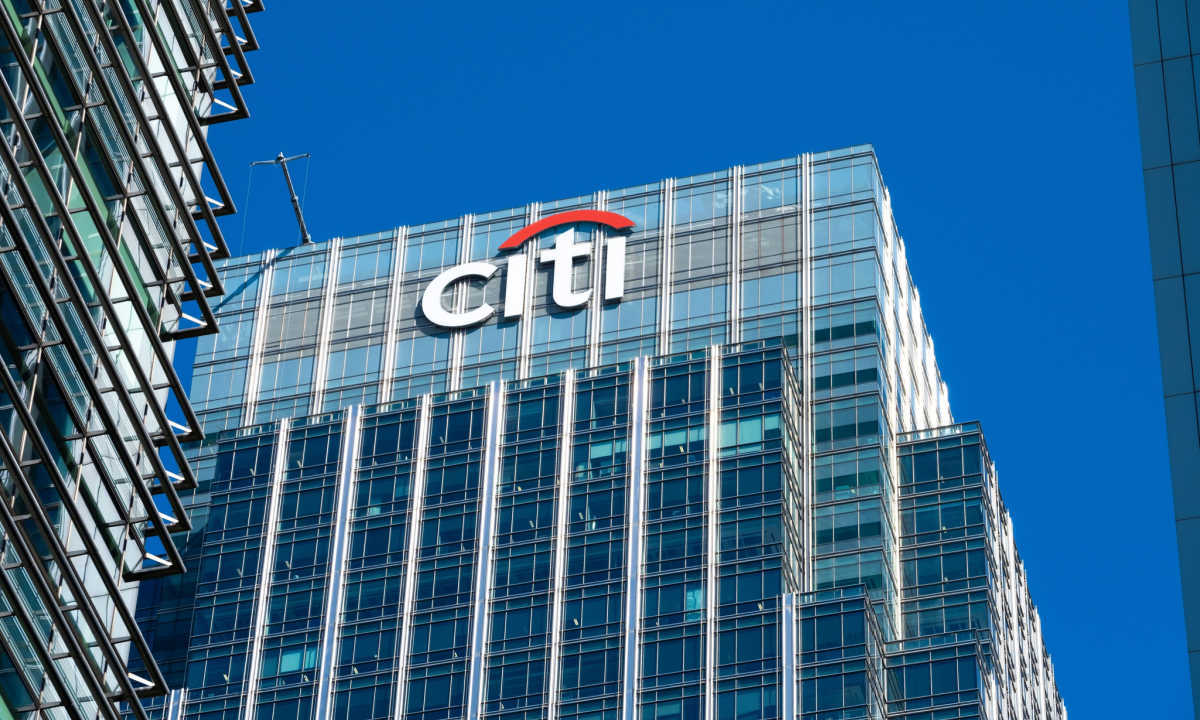
Citigroup swiftly denied a Bloomberg report Friday alleging it was exploring the acquisition of a U.S. Regional bank or brokerage firm, despite earlier signals to regulators suggesting openness to a deal. The speculation, fueled by Citigroup’s comparatively smaller U.S. Retail footprint and ongoing restructuring efforts, highlights the persistent pressure to bolster deposit levels and accelerate growth. This event underscores the need for robust regulatory compliance and strategic advisory services for financial institutions navigating complex M&A landscapes.
The Deposit Dilemma: Why Citigroup Explored the Possibility
The core issue isn’t a lack of capital, but a strategic imbalance. Citigroup, although the third-largest U.S. Bank by asset size, lags significantly behind JPMorgan Chase in terms of U.S. Retail deposits. According to the Federal Reserve’s latest data, Citibank held approximately $89 billion in average U.S. Personal banking deposits in Q4 2025, a stark contrast to JPMorgan’s $1.1 trillion. This disparity limits Citibank’s lending capacity and constrains its ability to fully capitalize on rising interest rates. A larger deposit base would provide a cheaper funding source, boosting net interest margins and enhancing profitability. The initial exploration, as reported by Bloomberg, wasn’t a desperate move, but a calculated assessment of opportunities to accelerate organic growth.
However, the timing is critical. Citigroup operates under two consent orders issued by the Federal Reserve and the Office of the Comptroller of the Currency (OCC) stemming from longstanding risk management deficiencies. These orders, initially imposed in 2020, require stringent regulatory approval for any acquisition. While regulators reportedly signaled a willingness to consider a proposal, the bar for approval remains exceptionally high. The OCC terminated an amendment to one consent order in December 2025, acknowledging improvements in risk management systems, but the broader framework remains in place.
Regulatory Hurdles and the Cost of Compliance
The consent orders aren’t merely bureaucratic inconveniences; they represent substantial financial and operational burdens. Citigroup has invested heavily in upgrading its technology infrastructure and strengthening its risk management procedures. In its Q3 2025 earnings call, CFO Mark Mason noted that technology-related expenses increased by 15% year-over-year, largely driven by consent order remediation efforts. This ongoing investment impacts profitability and diverts resources from other strategic initiatives.
“The regulatory landscape for large financial institutions is increasingly complex. Navigating these challenges requires not only robust internal controls but also expert legal counsel and compliance advisory services. The cost of non-compliance is simply too high.”
– Eleanor Vance, Partner, Sterling & Hayes LLP (Specializing in Financial Regulation)
The need for specialized legal expertise is paramount. Financial institutions facing similar regulatory scrutiny are increasingly turning to specialized financial regulatory law firms to ensure compliance and manage potential liabilities. These firms provide guidance on consent order remediation, regulatory reporting, and risk management best practices.
Jane Fraser’s Transformation and the Organic Growth Strategy
Citigroup CEO Jane Fraser has spearheaded a significant restructuring effort aimed at streamlining the bank’s operations and improving its financial performance. The reorganization, announced in September 2023, eliminated multiple management layers and empowered the leaders of the bank’s five core businesses. This move, coupled with a renewed focus on technology and innovation, is intended to drive organic growth and enhance shareholder value. The denial of the acquisition report reinforces Fraser’s commitment to this strategy.
PYMNTS reported in October 2025 that Fraser’s efforts were beginning to yield positive results, with a notable increase in efficiency and a reduction in operating expenses. However, organic growth takes time, and the pressure to accelerate progress remains intense. The bank’s Q4 2025 earnings report, released in January 2026, showed a modest increase in revenue, but EBITDA margins remained relatively flat.
The Macroeconomic Context: A Shifting Landscape
The broader macroeconomic environment adds another layer of complexity. The Federal Reserve’s monetary policy, characterized by quantitative tightening and elevated interest rates, is creating headwinds for the banking sector. Rising interest rates increase the cost of funding and can dampen loan demand. The potential for a recession looms large, increasing the risk of credit losses.
Here’s a breakdown of the key macroeconomic factors influencing the banking sector:
- Interest Rate Volatility: Fluctuations in interest rates impact net interest margins and asset valuations.
- Credit Risk: A slowing economy increases the likelihood of loan defaults.
- Regulatory Pressure: Heightened regulatory scrutiny adds to compliance costs and operational complexity.
In this environment, financial institutions are prioritizing risk management and capital preservation. They are also seeking ways to improve efficiency and reduce costs. This is where specialized FinTech solutions come into play. These solutions can automate processes, enhance risk assessment, and improve customer experience, ultimately driving profitability.
The Future Outlook: Consolidation and Strategic Positioning
Despite Citigroup’s denial, the underlying dynamics remain unchanged. The U.S. Banking sector is ripe for consolidation, and regional banks are increasingly vulnerable to competitive pressures. As consolidation accelerates, mid-market competitors are scrambling for capital, consulting with top-tier M&A advisory firms to explore defensive buyouts.
“We’re seeing a flight to quality in the regional banking space. Smaller banks with weaker balance sheets are actively seeking strategic partners or potential acquirers. The regulatory environment is a significant factor, but the need to achieve scale and improve efficiency is driving much of this activity.”
– David Chen, Portfolio Manager, BlackRock (Focusing on Financial Sector Investments)
Citigroup’s long-term success hinges on its ability to execute its organic growth strategy, navigate the regulatory landscape, and adapt to the evolving macroeconomic environment. The denial of the acquisition report is a clear signal that Fraser is committed to building a stronger, more resilient bank from within. However, the bank must remain vigilant and be prepared to seize opportunities as they arise. The coming fiscal quarters will be crucial in determining whether Citigroup can achieve its ambitious goals and solidify its position as a leading global financial institution.
For businesses seeking to navigate this complex financial landscape, partnering with vetted B2B providers is essential. The World Today News Directory offers a comprehensive platform to connect with leading firms specializing in regulatory compliance, financial technology, and M&A advisory services – ensuring you have the expertise needed to thrive in a rapidly changing world.