6-Minute Bed Routine for Firmer Inner Thighs After 60, Trainer Says
The decline of lower-body strength is often the silent precursor to loss of independence in older adults. While cosmetic concerns regarding “looseness” in the inner thighs are common, the clinical reality is far more urgent: weakness in the hip adductors correlates directly with gait instability and increased fall risk. A emerging protocol gaining traction in rehabilitative circles involves a low-impact, six-minute bed-based routine designed to reactivate these stabilizing muscles without the joint stress of traditional squats. By leveraging isometric tension and controlled range of motion, this approach offers a viable intervention for sarcopenia management in the over-60 demographic.
- Key Clinical Takeaways:
- Weakness in the hip adductors is a primary biomarker for gait instability and fall risk in adults over 60.
- Bed-based isometric exercises reduce joint shear force while maintaining muscle activation, ideal for osteoarthritis patients.
- Consistency in low-load resistance training can mitigate sarcopenia progression when combined with adequate protein intake.
The physiological imperative to maintain adductor strength extends well beyond aesthetics. The adductor magnus, longus, and brevis function as critical stabilizers during the stance phase of walking. When these muscles atrophy—a condition known as sarcopenia—the pelvis loses dynamic stability, forcing the lumbar spine and knees to compensate. This biomechanical compensation is a leading contributor to chronic lower back pain and medial knee osteoarthritis. Recent epidemiological data suggests that up to 10% of adults over 60 suffer from significant sarcopenia, a number that rises sharply with sedentary behavior.
Traditional resistance training, while effective, often presents a barrier to entry for frail patients or those with severe joint degeneration. High-impact movements like squats or lunges generate significant ground reaction forces that can exacerbate existing pathology. This creates a clinical gap: patients need strength but cannot tolerate high-load mechanics. The solution lies in off-loading the skeleton while loading the muscle. Bed-based training utilizes the mattress to support body weight, allowing for isolated muscle recruitment without gravitational compression on the vertebral column or knee joints.
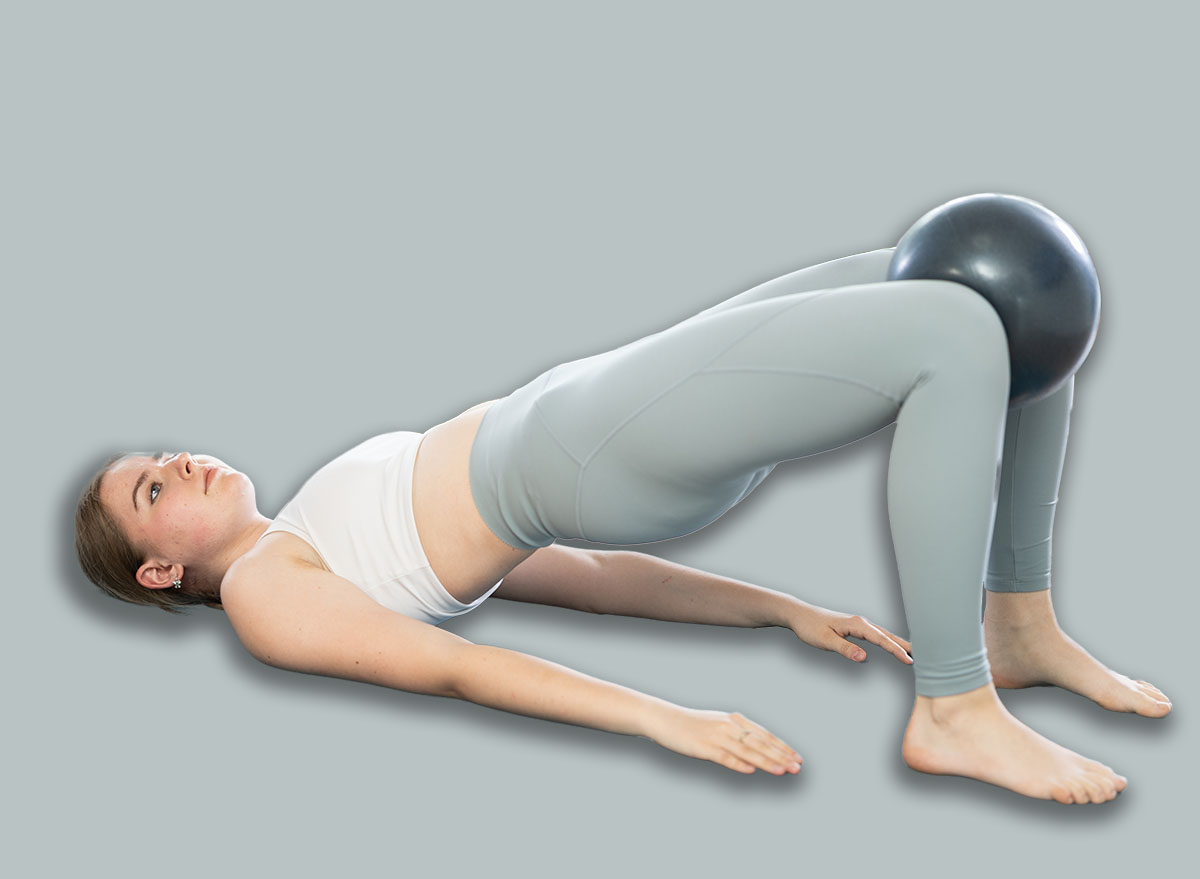
The specific protocol in question utilizes two primary movements: the Glute Bridge with Inner Thigh Squeeze and the Side-Lying Inner Thigh Raise. From a biomechanical perspective, the bridge with an adduction squeeze introduces an isometric component. Isometrics are particularly potent for tendon health and neural drive, allowing patients to generate high levels of muscle tension with minimal joint movement. This is crucial for re-establishing the mind-muscle connection often lost in aging populations.
“Bed-based rehabilitation is not merely a convenience; it is a strategic modality for patients with compromised balance or severe osteopenia. By removing the fear of falling, we can achieve higher quality repetitions and better neuromuscular recruitment.” — Dr. Elena Rossi, PhD, Biomechanics Researcher, Institute of Movement Science.
The second movement, the side-lying raise, targets the adductors through a concentric-eccentric cycle against gravity. Unlike standing cable machines, this position eliminates the need for core stabilization against a vertical load, isolating the target muscle group. For patients recovering from hip replacement or those managing chronic pain, this isolation prevents compensatory movement patterns that often derail progress in a gym setting.
Although, exercise prescription must be viewed through the lens of individual pathology. While this routine is low-risk, it is not universally applicable without modification. Patients with acute hip flexor strains or severe lumbar disc herniation may locate the bridge position aggravating. This underscores the necessity of professional triage before beginning any new regimen. Individuals with a history of falls or complex musculoskeletal issues should consult with a board-certified physical therapist to ensure the movement patterns align with their specific structural limitations.
The efficacy of such low-load interventions is supported by longitudinal observation. A prospective observational study published in the European Journal of Translational Myology highlighted the benefits of “in-bed gym” programs for sedentary elderly individuals. The study noted significant improvements in quality of life and pain reduction, suggesting that the barrier to exercise is often mechanical rather than motivational. By meeting patients where they are—literally in bed—adherence rates improve, which is the single most significant predictor of long-term health outcomes.
Nutritional support acts as the second pillar of this intervention. Muscle protein synthesis in older adults requires a higher threshold of leucine intake compared to younger populations, a phenomenon known as anabolic resistance. Pairing this six-minute routine with adequate protein consumption is not optional; it is a physiological requirement for hypertrophy. Without sufficient amino acid availability, the mechanical stimulus provided by the exercises will fail to translate into tissue repair.
For healthcare providers, the integration of home-based, low-impact routines represents a shift toward preventative geriatrics. Rather than waiting for a fall to occur, clinicians are increasingly prescribing “movement snacks” throughout the day. This approach aligns with the World Health Organization’s guidelines on physical activity for older adults, which emphasize multicomponent training that includes balance, and strength. To implement these strategies effectively, primary care physicians are increasingly referring patients to geriatric specialists who can oversee a holistic plan involving nutrition, pharmacology, and physical activity.
Looking toward the future of rehabilitative medicine, the democratization of strength training through accessible, bed-based protocols offers a scalable solution to the aging crisis. It removes the need for expensive equipment or gym memberships, placing the power of physiological maintenance directly into the hands of the patient. Yet, the transition from sedentary to active must be managed with clinical oversight. Patients experiencing persistent pain or dizziness during these maneuvers should immediately cease activity and seek evaluation from a orthopedic specialist to rule out underlying structural compromise.
the goal is not merely firmer thighs, but preserved autonomy. The ability to rise from a chair, navigate a staircase, or recover from a stumble depends on the integrity of the lower kinetic chain. By adopting evidence-based, low-impact routines, the over-60 population can maintain the functional reserve necessary for independent living. As research continues to validate the efficacy of home-based interventions, the medical community must remain vigilant in guiding patients toward safe, sustainable practices that honor the biological realities of aging.
Disclaimer: The information provided in this article is for educational and scientific communication purposes only and does not constitute medical advice. Always consult with a qualified healthcare provider regarding any medical condition, diagnosis, or treatment plan.