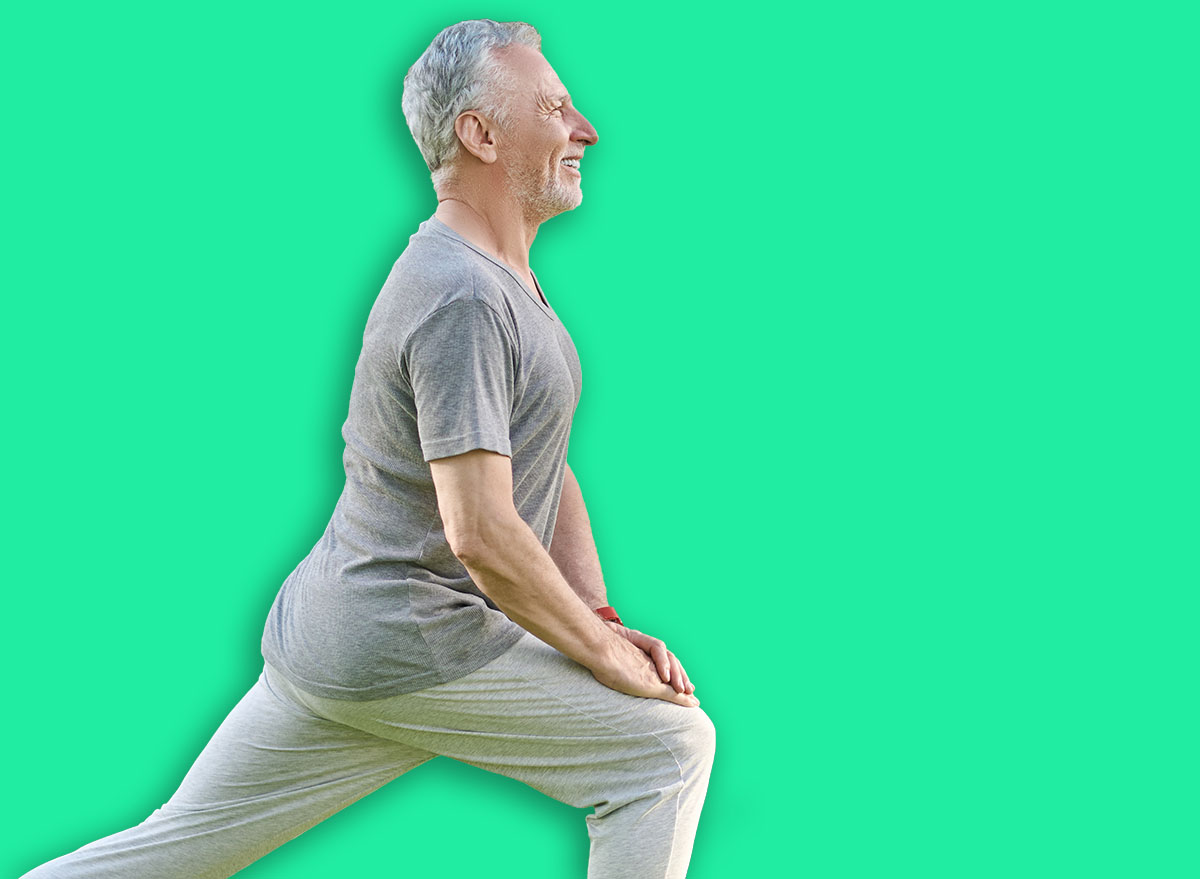
6 Essential Daily Exercises for Men to Stay Strong After 60
Maintaining physiological resilience after age 60 requires a shift from sporadic activity to a structured, pattern-based approach to functional strength. As sarcopenia—the age-related loss of muscle mass—begins to accelerate, clinical evidence suggests that consistent resistance training targeting fundamental movement patterns is the primary intervention for preserving mobility, bone mineral density, and metabolic health.
Key Clinical Takeaways:
- Functional strength for older adults is best achieved through six foundational movement patterns: squatting, pushing, pulling, hinging, lunging, and bracing.
- Strength training after 60 acts as a critical countermeasure to sarcopenia, supporting independence and reducing the risk of falls and frailty.
- Clinical protocols emphasize movement quality and consistency over high-volume intensity, allowing for scalable modifications based on individual physical capacity.
The Clinical Imperative for Functional Resistance Training
The biological necessity of maintaining musculoskeletal integrity in the seventh decade of life cannot be overstated. According to research published in Inquiry (Brogno, 2025), functional training is a cornerstone for supporting independence and quality of life in aging populations. By engaging in targeted resistance work, older adults can mitigate the systemic decline in motor unit recruitment and muscle fiber cross-sectional area that typically characterizes post-60 physiology.
This approach prioritizes “functional patterns”—the biomechanical movements required for daily living. When these patterns are practiced with intentionality, they reinforce the neuromuscular pathways necessary for safe ambulation and load-bearing tasks. For individuals seeking to integrate these practices into a clinical health plan, consulting with a [Primary Care Physician or Physical Therapist] is the recommended first step to ensure that exercise intensity aligns with current cardiovascular and orthopedic status.
Physiological Mechanisms of the “Big Six” Movements
Training the body to squat, push, pull, hinge, lunge, and brace addresses the major muscle groups—quadriceps, glutes, hamstrings, and the core musculature—that provide postural stability. Per the clinical perspective in Cold Spring Harbor Perspectives in Medicine (Ruegsegger and Booth, 2018), the systemic health benefits of exercise extend beyond muscle hypertrophy, influencing metabolic regulation and systemic inflammation.
The squat serves as the primary mechanism for maintaining hip and knee range of motion, which is essential for activities such as rising from a chair or navigating stairs. Similarly, the hinge pattern, often trained via deadlifts, is critical for protecting the lumbar spine during everyday lifting tasks. By focusing on these movements, practitioners can ensure that the musculoskeletal system remains adaptable to the physical demands of daily life.
Scaling Protocols for Individual Capacity
A frequent barrier to consistent exercise in older populations is the misconception that training requires high-impact gym machinery. In practice, the most effective routines are those that are modular. For example, a standard push-up can be scaled to a wall or counter-based incline to accommodate varying levels of shoulder stability or joint health. This scalability ensures adherence, as noted in the 2025 longitudinal findings by Brogno, which emphasize the importance of sustainable, habit-based training over short-term, high-intensity interventions.
For those managing chronic conditions or recovering from orthopedic procedures, the transition to a daily strength routine should be supervised. Patients are encouraged to utilize [Specialized Rehabilitation or Sports Medicine Center] facilities to establish baseline movement assessments. Ensuring that movements are performed with correct biomechanical alignment is essential to prevent injury and maximize the efficacy of each session.
Integrating Strength into Primary Care
The integration of exercise as a clinical prescription is increasingly becoming the standard of care. When an individual presents with age-related functional decline, the objective is to implement a regimen that is both safe and progressive. For many, this involves a transition from acute clinical settings to long-term wellness management. Healthcare providers, including those at [Premier Primary Care], often facilitate this transition by incorporating annual well visits that include functional movement screenings.

Tracking progress—whether through increased repetitions, improved range of motion, or the reduction of assistance required during exercises—provides a quantifiable metric of health improvement. This data-driven approach allows for the adjustment of exercise variables, ensuring that as the body adapts, the stimulus remains sufficient to drive continued physiological gains.
Trajectory of Geriatric Fitness Research
The future of geriatric medicine lies in the personalization of exercise protocols. As we move further into 2026, the focus is shifting toward identifying the minimal effective dose of resistance training required to maintain bone density and cognitive function. The evidence remains clear: the most effective program is one that the patient can perform consistently. By mastering the six fundamental patterns, men over 60 can build a robust foundation that supports long-term health, autonomy, and physical capability.
For those interested in developing a tailored strength program, it is essential to work with providers who prioritize functional outcomes. Seeking guidance from a [Board-Certified Geriatrician or Physical Medicine Specialist] can provide the clinical oversight necessary to optimize these movements for your specific health profile.
Disclaimer: The information provided in this article is for educational and scientific communication purposes only and does not constitute medical advice. Always consult with a qualified healthcare provider regarding any medical condition, diagnosis, or treatment plan.