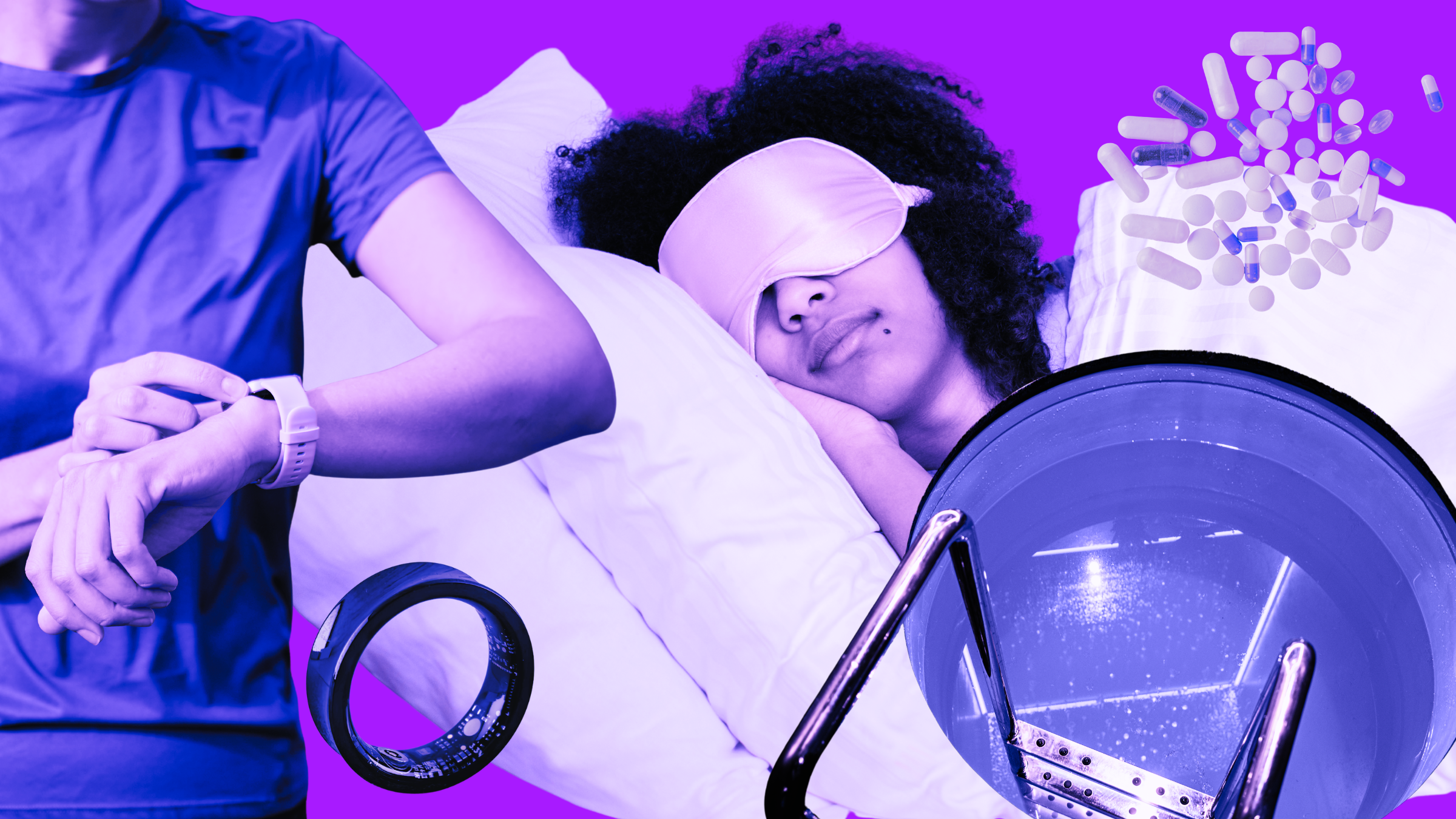
5 Wellness Trends That Can Cause More Stress Than Health Benefits
Modern wellness routines designed to optimize health are increasingly causing anxiety and stress, leading some to abandon common trends as of November 18, 2026.
While self-care often starts with beneficial intentions, the current focus on extreme tracking and constant self-monitoring can negatively impact physical and mental well-being.
Key Clinical Takeaways:
- Obsessive tracking of sleep and health data can trigger anxiety and orthosomnia, a condition characterized by an unhealthy preoccupation with achieving perfect sleep.
- Cold water immersion lacks consistent clinical evidence for female muscle recovery and may present risks to reproductive health.
- Supplements should not replace fundamental nutritional and lifestyle habits, particularly when marketed without rigorous scientific validation.
The Risks of Sleep Data Obsession
The trend of sleepmaxxing, which involves using various gadgets to maximize sleep quality, has increasingly transformed rest into a source of performance-related stress. Nicole Moshfegh, a clinical psychologist and author of The Book of Sleep, told Yoga Journal that inadequate or improper rest affects cognitive function, mood, and physical health.
However, she emphasized that the routine itself should not become a burden. When individuals begin to agonize over sleep scores or calculate lost minutes of rest, they enter the realm of orthosomnia, a clinical term for the unhealthy obsession with achieving optimal sleep metrics.
Cold Plunging Shows Limited Benefit for Female Recovery
While cold plunging is frequently cited for mental clarity and post-workout recovery, its clinical utility remains debated. Writing for Yoga Journal, Calin Van Paris said that evidence regarding cold baths for muscle recovery may lean toward a placebo effect, a sentiment echoed by analysis from Alex Hutchinson.
Research indicates that for those in female bodies, prolonged cold water exposure may adversely affect the reproductive system. There is currently no robust clinical data supporting a significant benefit for female muscle recovery through this practice.
Psychological Impact of Constant Biological Tracking
Wearable technology, including smartwatches and rings, provides granular data on biological functions, yet this information can prove detrimental to psychological health. Constant preoccupation with metrics from devices like the Pulse Mindfulness Ring or Oura Ring may increase rigidity in individuals prone to health or eating disorders.
According to reporting by YesGoGreat, the primary issue lies in the user’s relationship with the data rather than the technology itself. Users who feel anxious or inadequate due to their device readings are encouraged to periodically disconnect to assess their baseline comfort without digital monitoring.
Supplement Market Growth Outpaces Scientific Evidence
The global supplement market is projected to reach $300 billion by 2028, according to data cited by KatchSports. This rapid expansion often outpaces scientific evidence, as many products are marketed without oversight.
Dependence on supplements can foster a false sense of invulnerability, leading some individuals to neglect established nutritional and fitness foundations. Because digital marketing often bypasses traditional medical vetting, consumers are advised to approach new supplements with skepticism, ensuring they complement—rather than replace—a scientifically supported healthy lifestyle.
Performative Versus Personal Healing
Wellness practices are increasingly influenced by social media, where the performance of self-care sometimes eclipses the actual health benefits. When routines are curated for external validation, they can lose their restorative value. True wellness, as discussed in reports by Yoga Journal, should prioritize personal peace over public presentation.
Individuals who find their health routines becoming a source of performance pressure may benefit from consulting with a licensed mental health professional or a primary care physician to refocus on evidence-based self-care strategies that align with their personal health goals.
Nicole Moshfegh practices as a clinical psychologist in Los Angeles and serves as the founder of We Rise Psychology. In addition to her clinical work, she engages in public outreach by hosting specialized workshops, such as the 2025 event focused on strategies for resetting sleep patterns and developing sustainable habits for long-term rest.
Disclaimer: The information provided in this article is for educational and scientific communication purposes only and does not constitute medical advice. Always consult with a qualified healthcare provider regarding any medical condition, diagnosis, or treatment plan.