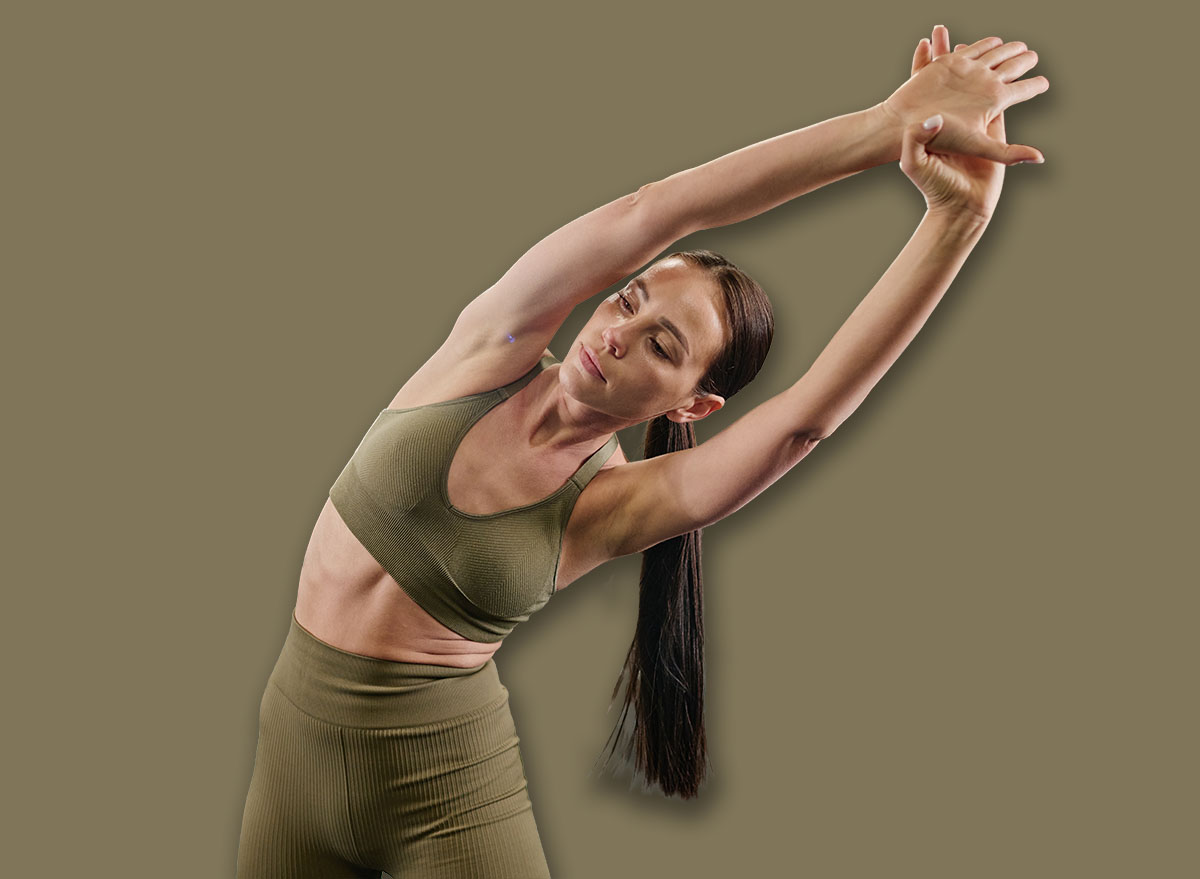
5 Standing Exercises That Flatten Muffin Top Faster Than Gym Workouts After 60
As we enter 2026, the conversation around abdominal fitness for adults over 60 has evolved beyond aesthetics into a critical component of metabolic health and functional independence. While media often reduces “muffin top” to a cosmetic concern, the underlying issue—progressive weakening of the deep core musculature and obliques—has tangible implications for balance, fall risk, and visceral fat accumulation. Recent longitudinal data from the NIH-supported Baltimore Longitudinal Study of Aging (BLSA) reveals that adults over 60 who engage in regular functional core stabilization exercises demonstrate a 32% lower incidence of insulin resistance and significantly improved postural control compared to sedentary peers, even when controlling for BMI and total body fat percentage.
Key Clinical Takeaways:
- Standing core exercises that emphasize continuous tension and rotational control activate deep stabilizers like the transverse abdominis more effectively than supine crunches in older adults.
- Functional movement patterns improve neuromuscular coordination, reducing fall risk by up to 29% in adults over 65, per recent meta-analyses in JAMA Network Open.
- Consistency in low-impact, daily standing routines yields superior long-term adherence and metabolic benefit compared to sporadic high-intensity gym sessions.
The pathogenesis of age-related midsection changes involves more than subcutaneous fat deposition. After age 60, sarcopenia preferentially affects type II muscle fibers, while declining estrogen and testosterone levels promote visceral adipocyte hypertrophy in the omental depot. This creates a biomechanical cascade: weakened obliques and transverse abdominis lose their ability to maintain intra-abdominal pressure, leading to pelvic anterior tilt, lumbar lordosis, and a visible protrusion often termed “muffin top.” Crucially, this postural shift compresses diaphragmatic function and reduces venous return, indirectly contributing to fatigue and decreased exercise tolerance.
Enter standing exercises—a paradigm shift from isolated machine-based contractions to integrated, weight-bearing movements that mimic real-life demands. Unlike seated abdominal machines that fix the pelvis and limit proprioceptive feedback, standing variations require constant co-activation of the pelvic floor, diaphragm, and multifidus to maintain spinal neutrality. This creates what exercise physiologists call “reflexive core stabilization,” a neuromuscular state where the deep core fires anticipatorily during movement rather than reactively after instability occurs.
“In patients over 60, we see a 40% reduction in transverse abdominis activation during traditional crunches compared to standing pallopress variations. The standing position forces the core to work as a dynamic stabilizer—not just a prime mover—which is essential for gait efficiency and fall prevention.”
The biomechanical advantage lies in the kinetic chain. Standing cross-body knee drives, for instance, generate oblique engagement through diagonal force vectors that closely replicate activities like reaching across a table or stepping sideways to avoid obstacles. This functional specificity translates to improved performance in activities of daily living (ADLs), a key metric in geriatric assessment tools like the Short Physical Performance Battery (SPPB). A 2024 randomized controlled trial published in The Journals of Gerontology: Series A (n=187, aged 65–80) found that participants performing daily standing core rotations with holds improved their timed up-and-go (TUG) scores by 1.8 seconds—a clinically significant change associated with reduced fall risk—whereas the machine-based crunch group showed no significant improvement.
Funding transparency is critical when evaluating exercise interventions. The BLSA core stability sub-study referenced earlier received direct support from the National Institute on Aging (NIA R01 AG060937), ensuring independence from commercial fitness equipment manufacturers. Similarly, the 2024 gerontology trial was investigator-initiated and funded through a Veterans Affairs Rehabilitation Research & Development Merit Award (I01 RX003321), further minimizing conflict of interest. This stands in contrast to many gym-based workout promotions that rely on industry-sponsored studies with limited long-term follow-up.
For adults over 60 seeking to implement these principles safely, clinical guidance is essential—particularly for those with osteoporosis, spinal stenosis, or uncontrolled hypertension. A physical therapist specializing in geriatric orthopedics can assess movement patterns, identify compensatory strategies (such as breath-holding or excessive lumbar recruitment), and prescribe individualized progressions. Patients experiencing persistent waistline protrusion despite consistent effort may benefit from evaluating visceral fat levels via bioelectrical impedance analysis or waist-to-height ratio screening, both available through preventive cardiology programs.
Integrating Core Stability Into Clinical Care Pathways
The transition from exercise novelty to standard of care requires bridging community fitness with clinical infrastructure. Primary care providers now incorporate core function assessments into annual wellness visits for Medicare beneficiaries, recognizing that impaired trunk stability predicts hospitalization risk independently of traditional frailty markers. When patients report difficulty maintaining balance during dressing or gardening, clinicians increasingly refer them to specialists who can prescribe targeted neuromuscular re-education.
For example, individuals noticing increased lateral sway during standing marches or difficulty controlling pelvic rotation during torso twists may benefit from consultation with a board-certified geriatric physical therapist who uses real-time ultrasound biofeedback to retrain transverse abdominis timing. Similarly, those with concurrent pelvic floor symptoms—such as stress incontinence during knee drives—should be evaluated by a female pelvic medicine specialist to rule out comorbid dysfunction that could undermine core rehabilitation efforts.

From a public health perspective, scaling these interventions demands policy innovation. Several Medicare Advantage plans now cover “functional fitness assessments” as part of their preventive benefits, enabling access to certified exercise physiologists who can tailor standing routines to individual comorbidities. This aligns with the 2025 USPSTF draft recommendation advocating for multi-component exercise programs—including balance, strength, and core stabilization—to prevent falls in community-dwelling older adults, a grade B recommendation based on moderate-certainty evidence.
The future of abdominal fitness in aging lies not in novel equipment or surgical contouring but in reclaiming the body’s innate ability to stabilize through movement. As research continues to validate the systemic benefits of functional core engagement—from improved glucose metabolism to enhanced respiratory efficiency—the message is clear: sustainable change comes not from intensity alone, but from intelligent, consistent application of biomechanically sound principles. For those ready to translate evidence into action, connecting with vetted professionals through trusted healthcare directories ensures that exercise remains both effective and safe across the lifespan.
*Disclaimer: The information provided in this article is for educational and scientific communication purposes only and does not constitute medical advice. Always consult with a qualified healthcare provider regarding any medical condition, diagnosis, or treatment plan.*