
5 Standing Core Exercises to Restore Strength After 60
Although the plank has long been the gold standard for core stability, its utility diminishes as we age. For adults over 60, the clinical priority shifts from isometric endurance to functional stability—the ability to maintain spinal integrity while navigating the unpredictable vectors of daily life.
Key Clinical Takeaways:
- Standing core exercises prioritize “anti-rotation” and dynamic stability over static holds, reducing the risk of fall-related morbidity.
- Functional training in upright positions better mimics the biomechanical demands of aging, improving proprioception and balance.
- A volume of 8 to 12 working sets per week is the recommended clinical threshold for restoring core strength in older populations.
The fundamental problem with traditional floor-based core training for the 60+ demographic is the “transfer gap.” A patient may possess the strength to hold a plank for 60 seconds, yet lack the neuromuscular coordination to prevent a fall when reaching for a grocery item. This discrepancy is rooted in the pathogenesis of sarcopenia and the gradual decline of proprioceptive feedback. When we move core training from the floor to a standing position, we are not just training muscles; we are retraining the central nervous system to manage gravity and external loads in real-time.
This shift in methodology is supported by a growing body of evidence. A systematic review and meta-analysis published in Biology of Sport (2023) highlights that core training significantly enhances athletic and functional performance by optimizing the transfer of force between the lower and upper extremities. Research published in Frontiers in Public Health (2025) underscores the critical impact of core stability on balance performance in older adults, noting that targeted interventions can drastically reduce the probability of accidental falls—a leading cause of hospitalization in the elderly.
“The transition from static to dynamic core stability is not merely a preference but a clinical necessity for the aging population. We must train the core to resist unwanted motion—anti-extension, anti-rotation, and anti-lateral flexion—to preserve autonomy and spinal health.” — Dr. Elena Rossi, PhD in Geriatric Kinesiology.
The Biomechanics of Anti-Rotation and Spinal Protection
To understand why standing exercises outperform planks after 60, one must look at the role of the transverse abdominis and the internal obliques. In a plank, the core works to prevent the spine from sagging (anti-extension). However, real-world injuries often occur during rotational shear. The Pallof Press addresses this by utilizing a cable or band to create a lateral pull, forcing the core to engage in “anti-rotation.”
By resisting this external force, the patient strengthens the deep stabilizers that protect the lumbar vertebrae from degenerative disc disease and instability. For those managing chronic lower back pain or recovering from spinal surgery, this approach is far safer than the high intra-abdominal pressure often associated with traditional crunches. Patients exhibiting significant spinal misalignment should first seek a comprehensive evaluation from board-certified physiatrists to ensure these movements are integrated into a safe, personalized rehabilitation plan.
Comparative Efficacy: Functional Standing Movements vs. Static Isometrics
To quantify the impact of these interventions, we can examine the physiological demands of different core modalities. While planks increase muscular endurance, standing exercises integrate the posterior chain, improving the overall standard of care for geriatric mobility.
| Exercise Modality | Primary Mechanism | Functional Application | Clinical Outcome |
|---|---|---|---|
| Static Plank | Isometric Tension | Postural Rigidity | Increased Muscle Endurance |
| Pallof Press | Anti-Rotation | Resisting Lateral Force | Reduced Spinal Shear |
| Suitcase Carry | Anti-Lateral Flexion | Carrying Unilateral Loads | Improved Gait Stability |
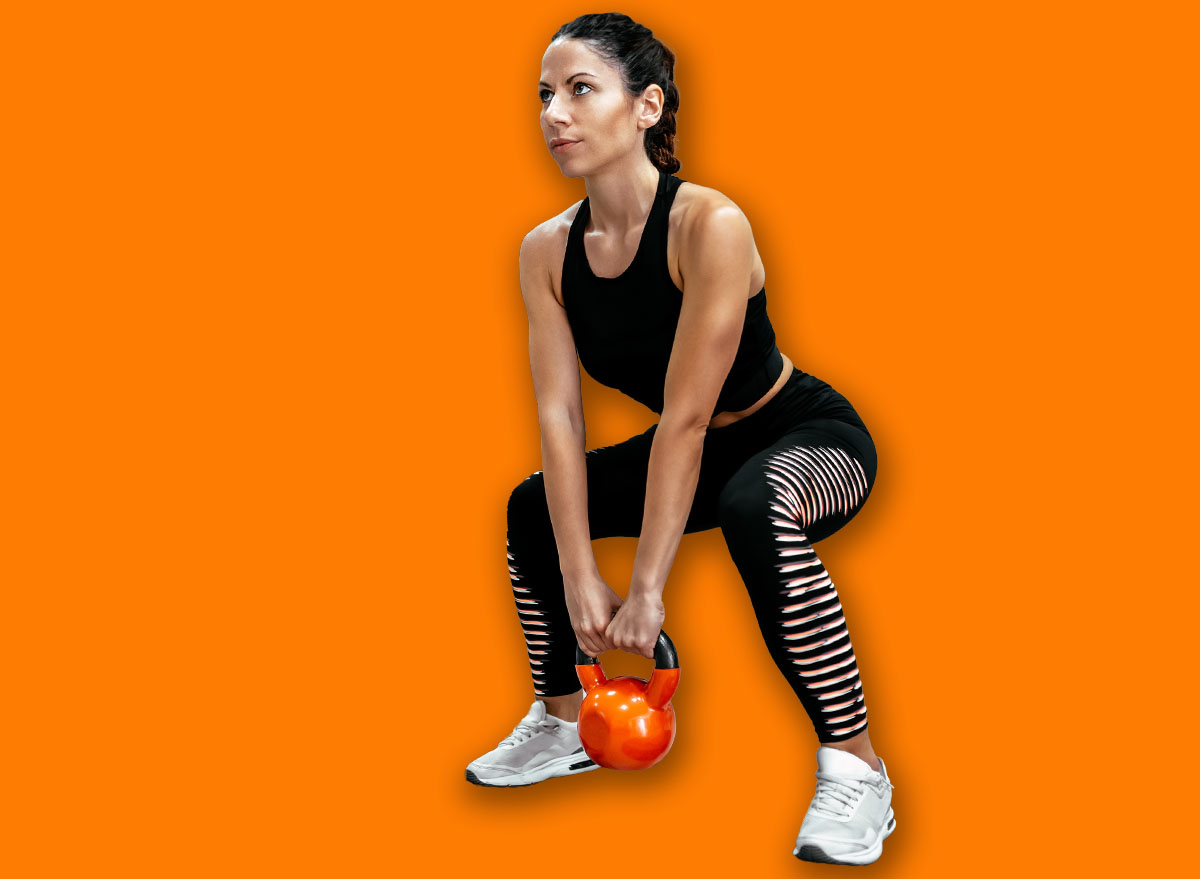
| Kettlebell Deadlift | Hinge Stability | Lifting from Floor | Posterior Chain Integration |
| Cable Woodchop | Controlled Rotation | Dynamic Reaching/Twisting | Enhanced Coordination |
The integration of the Kettlebell Deadlift and the Suitcase Carry further bridges the gap between the gym and the home. The Suitcase Carry, specifically, targets the obliques and the quadratus lumborum, preventing the torso from tipping—a movement pattern that is essential for maintaining balance during a stumble. This type of “loaded carry” mimics the act of carrying a suitcase or a bag of groceries, translating directly to a reduction in morbidity associated with balance loss.
Clinical Implementation and Regulatory Considerations
Implementing these protocols requires a nuanced understanding of contraindications. For individuals with severe osteoporosis or advanced osteoarthritis, the loading phase of a landmine rotation or a kettlebell deadlift must be meticulously calibrated. The goal is controlled loading, not maximum exertion. This is where the role of professional oversight becomes non-negotiable.
Many of these functional stability protocols are derived from research funded by national health grants and university-led kinesiology departments, ensuring that the guidelines are based on peer-reviewed data rather than fitness trends. When scaling these exercises, practitioners should focus on “time under tension” and the quality of the movement over the quantity of repetitions. For those navigating complex comorbidities or seeking a medically supervised exercise program, consulting with specialized physical therapists is the gold standard for avoiding injury.
“The objective is not to build a ‘six-pack’ but to build a biological corset. By focusing on standing stability, we are essentially insulating the spine against the vulnerabilities of age.” — Dr. Marcus Thorne, Lead Researcher in Musculoskeletal Health.
Optimizing the Recovery Arc and Long-Term Mobility
The trajectory of geriatric health is defined by the preservation of function. By shifting core training to standing positions, we address the “clinical gap” between gym strength and real-world capability. The transition to anti-rotational movements, such as the Landmine Rotation and Cable Woodchops, ensures that the body can generate and absorb force without compromising the integrity of the joints.
As we look toward the future of longevity medicine, the emphasis will continue to move away from isolated muscle training toward integrated, functional patterns. This systemic approach not only restores strength but restores confidence in movement, which is a critical psychological component of healthy aging. To ensure these protocols are implemented safely and effectively, patients are encouraged to utilize our directory to find accredited sports medicine clinics that specialize in geriatric strength and conditioning.
the goal of core restoration after 60 is to maintain the ability to interact with the world independently. Whether it is through the controlled resistance of a Pallof press or the stability of a suitcase carry, the focus remains on building a body that is as resilient as it is strong.
Disclaimer: The information provided in this article is for educational and scientific communication purposes only and does not constitute medical advice. Always consult with a qualified healthcare provider regarding any medical condition, diagnosis, or treatment plan.