5 Home Exercises That Firm Back Rolls Faster Than Weight Training After 55
The physiological transition occurring after age 55 often manifests as a stubborn accumulation of adipose tissue across the upper and lower back. This phenomenon is rarely a matter of simple weight gain; it is the clinical intersection of sarcopenia, hormonal volatility, and deteriorating postural alignment.
- Key Clinical Takeaways:
- Age-related muscle loss (sarcopenia) and estrogen decline in women shift fat distribution toward the upper back and abdomen.
- Targeted strength training cannot “spot reduce” fat but rebuilds the muscular architecture necessary to firm the area and correct kyphosis.
- A synergistic approach combining resistance bands, bodyweight stabilization, and consistent low-impact aerobic activity optimizes body composition.
The emergence of back rolls in the post-55 demographic is driven by a complex pathogenesis. As the body ages, individuals typically lose between 3% and 8% of their muscle mass per decade after age 30, a rate of atrophy that accelerates significantly after 50. When the rhomboids, middle trapezius, and posterior deltoids weaken, the shoulders naturally rotate forward, creating a curved upper back. This postural collapse causes skin and subcutaneous fat to fold, making rolls more prominent even if total body weight remains stable.
“The challenge in geriatric fitness is not merely the loss of strength, but the redistribution of lean mass. When we see ‘back rolls’ in patients over 55, we are often looking at the visual result of muscular atrophy combined with metabolic shifts.”
For those navigating these changes, the priority must shift from aesthetic “spot reduction”—a concept that remains clinically contentious—to overall body composition management. While some research, such as the randomized controlled trial published in Physiological Reports by Brobakken et al. (2023), has explored the nuances of localized fat loss, the prevailing medical consensus emphasizes that calories in versus calories out drive systemic fat loss, while hypertrophy work firms the underlying structure.
Addressing these structural deficits requires a low-friction entry point. Many patients struggle with the logistical hurdles of gym environments, which often leads to sedentary behavior. Integrating “movement snacks” and home-based resistance training removes these barriers, allowing for the consistency required to trigger muscle protein synthesis. If you are experiencing chronic stiffness or pain that prevents these movements, it is essential to consult with [Relevant Physical Therapist/Physiologic Clinic] to ensure your spinal alignment can support resistance training.
The Mechanics of Posterior Chain Stabilization
To counteract the softening of the bra line and lower back, the focus must be on the posterior chain. Bodyweight back extensions serve as a foundational movement, engaging the spinal erectors, glutes, and hamstrings. By lifting the chest a few inches off the floor and pausing at the peak of the contraction, the patient stabilizes the torso and reinforces the muscles that support an upright posture. This movement prevents the “slumping” effect that exacerbates the appearance of back rolls.
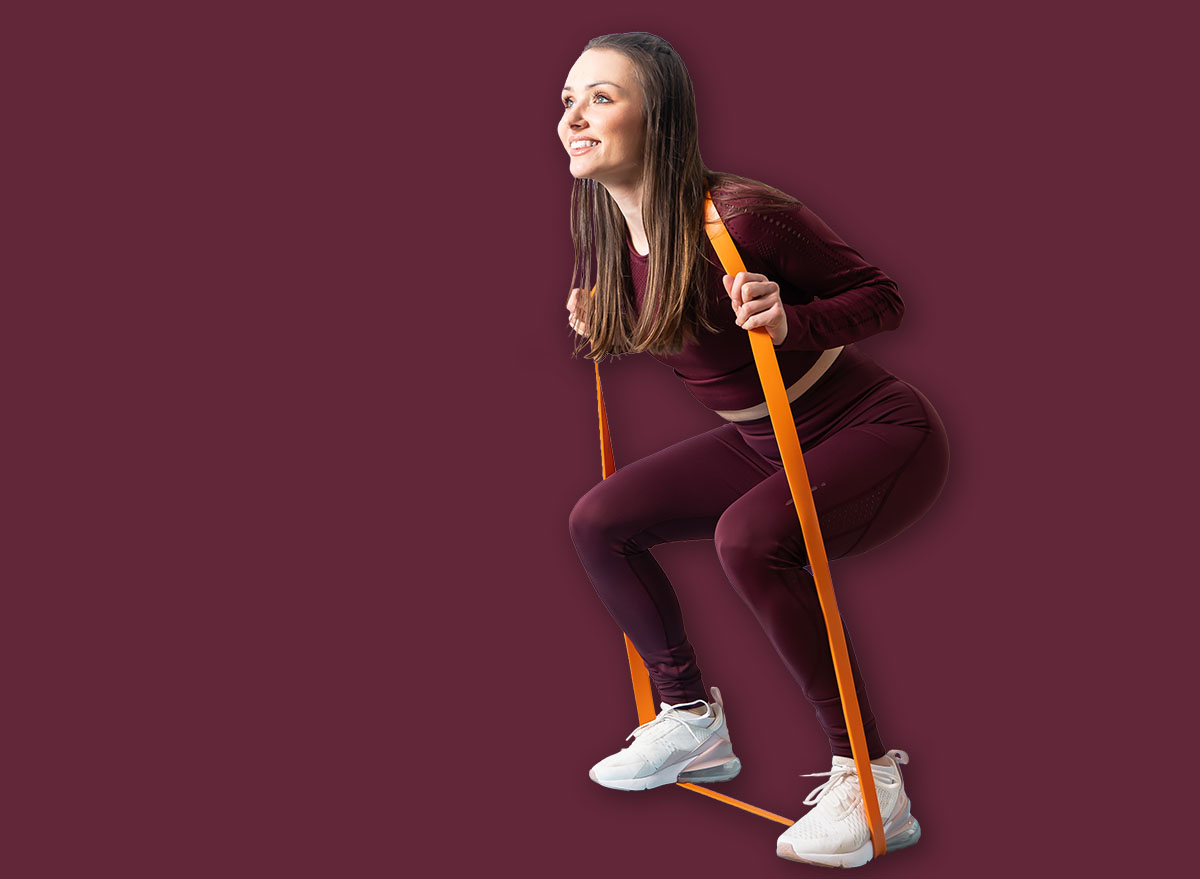
Adding resistance via bands introduces a progressive overload necessary for muscle maintenance in older adults. Banded good mornings utilize a hinge pattern to target the glutes and lower back. Because the resistance increases as the patient returns to a standing position, the muscles are under tension throughout the entire range of motion. This functional movement mimics daily activities, such as bending and lifting, reducing the risk of lumbar injury while sculpting the lower posterior region.
Combatting Upper Back Atrophy and Kyphosis
The upper back requires direct pulling movements to reverse the forward-shoulder lean. Banded bent-over rows target the lats, rear deltoids, and biceps. By focusing on scapular retraction—squeezing the shoulder blades together—patients can rebuild the muscular density of the mid-back. This process effectively “stretches” the skin across a firmer muscular base, reducing the prominence of folds.
The metabolic component of this protocol is managed through purposeful walking and high-intensity stabilization. Walking serves as a low-stress mechanism to increase daily caloric expenditure without placing excessive strain on aging joints. When paired with plank jacks, which demand core bracing and shoulder stability, the heart rate is elevated sufficiently to support systemic fat loss. This combination ensures that as the subcutaneous fat layer thins, the newly developed lean muscle is visible.
These interventions are supported by broader epidemiological data on aging. The INSPIRE study, published in GeroScience (2025) by Marguerite Briand et al., highlights the critical relationship between body composition and aging across a wide demographic (ages 20 to 93). The study underscores that maintaining lean mass is a primary determinant of healthspan and physical independence in later life.
Optimizing the Home-Based Clinical Protocol
To ensure these exercises translate into visual and functional results, the following clinical guidelines should be applied:
- Tempo Control: Slowing the eccentric (lowering) phase of rows and extensions increases time under tension, which is superior for hypertrophy in older populations.
- Nutritional Alignment: Strength work must be supported by a protein-rich diet to counteract age-related muscle wasting. Patients struggling with metabolic resistance may benefit from consulting a
[Registered Dietitian/Nutrition Specialist]to calibrate their caloric deficit. - Frequency: Consistency outweighs intensity. Short, repeated bouts of activity are more sustainable than infrequent, exhaustive workouts.
As the medical community continues to refine its understanding of sarcopenia and metabolic health, the shift toward functional, home-based resistance training is becoming the standard of care for healthy aging. The goal is not merely the removal of back rolls, but the restoration of a resilient, supportive musculoskeletal system.

For those who find that exercise and nutrition are insufficient due to underlying hormonal imbalances—particularly during menopause—it is highly recommended to seek a consultation with a [Board-Certified Endocrinologist] to manage the estrogen-driven redistribution of adipose tissue. By combining medical oversight with a disciplined home movement protocol, adults over 55 can effectively reclaim their postural integrity and physical firmness.
Disclaimer: The information provided in this article is for educational and scientific communication purposes only and does not constitute medical advice. Always consult with a qualified healthcare provider regarding any medical condition, diagnosis, or treatment plan.