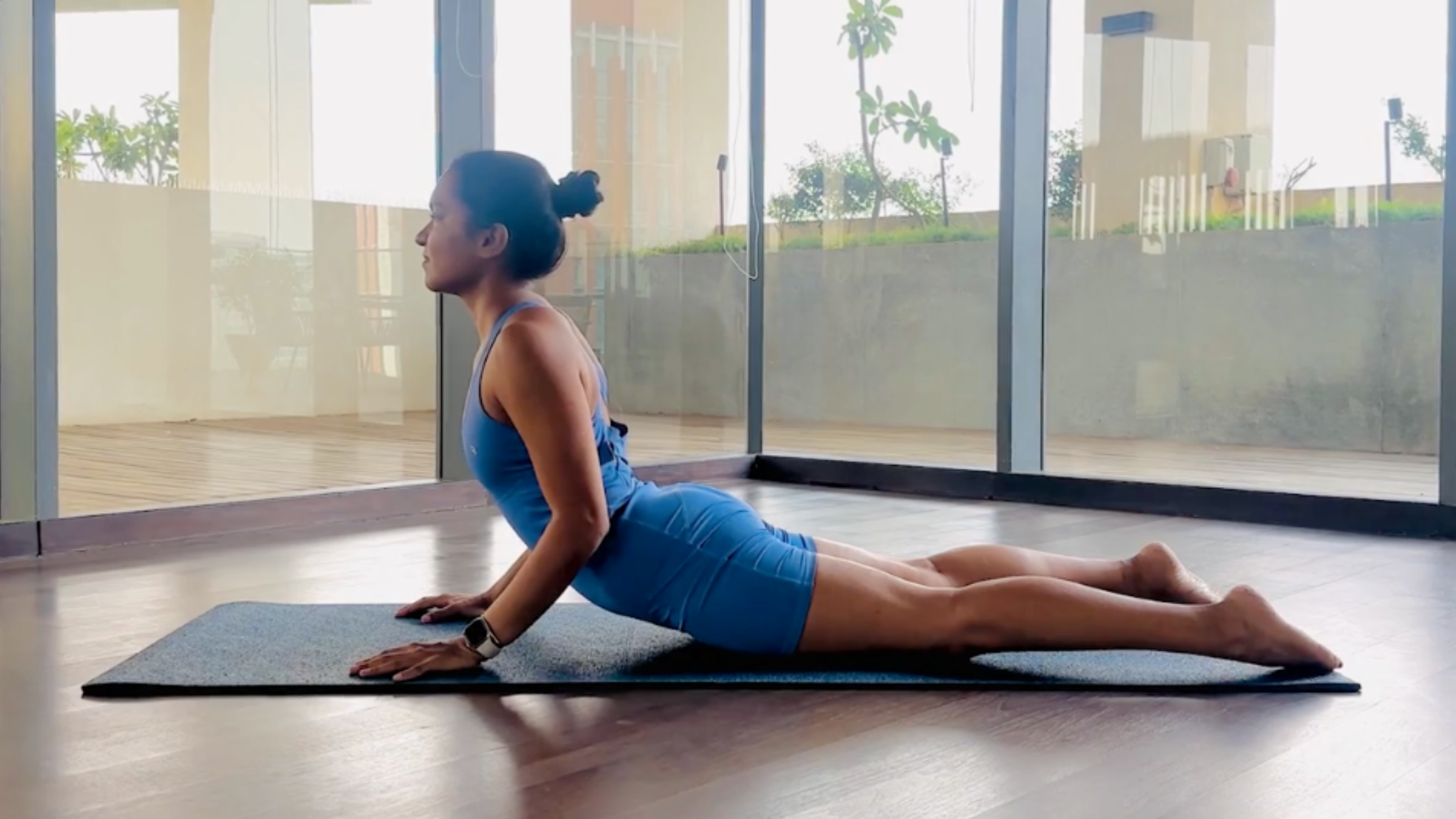
5 Heart-Opening Yoga Poses to Help You Release Tension & Feel More Compassionate
The physical manifestation of chronic stress often settles in the thoracic region, creating a somatic “shield” that restricts respiratory capacity and reinforces emotional withdrawal. By utilizing specific heart-opening postures, individuals can modulate the autonomic nervous system to shift from a state of hyper-vigilance to one of receptivity and compassion.
Key Clinical Takeaways:
- Heart-opening yoga postures target the chest, shoulders, and upper back to reverse the protective, hunched posture associated with chronic stress.
- These movements facilitate the activation of the parasympathetic nervous system, specifically the “rest and digest” state, which reduces physiological arousal.
- The intersection of physical openness and mindful breathing supports emotional regulation and the development of self-compassion.
Chronic emotional stress does not remain confined to the psyche; it manifests as tangible physical pathology. The body often adopts a guarded, protective posture—characterized by rounded shoulders, a tight chest, and shallow thoracic breathing—which serves as a biological defense mechanism against perceived threats. This musculoskeletal pattern, while initially adaptive, eventually becomes a feedback loop where the body’s restricted state signals to the brain that the environment remains unsafe, thereby sustaining a state of low-grade anxiety and emotional rigidity.
The Neurobiology of Thoracic Openness and Vagal Tone
The efficacy of heart-opening postures lies in their ability to influence the vagus nerve, the primary component of the parasympathetic nervous system (PNS). When the body is locked in a “protective” shape, the respiratory diaphragm is often compressed, leading to shallow breathing that stimulates the sympathetic nervous system (the “fight or flight” response). By consciously stretching the front body and expanding the chest, these postures encourage deeper diaphragmatic breathing, which increases vagal tone.
According to clinical frameworks found in PubMed research on mind-body interventions, the stimulation of the PNS inhibits the production of cortisol and adrenaline, lowering the heart rate and reducing systemic inflammation. This physiological shift creates the necessary biological space for emotional processing. When the physical tension in the chest is released, the brain receives signals of safety, allowing the individual to move from a state of survival to a state of compassion.
“The relationship between posture and affect is bidirectional. While emotional distress can lead to a closed physical posture, the intentional opening of the thoracic cavity can serve as a bottom-up signal to the brain to reduce amygdala hyperactivity and foster a sense of psychological safety.” — Dr. Elena Rossi, PhD in Integrative Neurobiology.
For those whose thoracic tension has progressed into chronic pain or limited mobility, the transition to these postures should be managed carefully. It is often beneficial to consult with board-certified physical therapists to ensure that the range of motion is increased without risking ligamentous strain or aggravating existing spinal pathologies.
Somatic Storage and the Pathogenesis of Emotional Rigidity
The concept of the body “storing” emotion is not merely metaphorical but is rooted in the study of myofascial tension and the biopsychosocial model of health. Persistent stress leads to the accumulation of tension in the fascia—the connective tissue surrounding muscles—particularly around the neck, shoulders, and upper back. This tension can lead to a state of “emotional heaviness,” where the individual feels closed off or disconnected from others, even in the absence of an immediate external stressor.
Heart-opening yoga addresses this by utilizing backbends and chest expansions to provide a form of myofascial release. As the tissues stretch, the body releases stored tension, which can often trigger a sudden emotional release. This phenomenon is a critical component of somatic experiencing, where the physical act of “opening” the heart center correlates with an increased capacity for empathy and grace toward oneself and others.
Because this process can occasionally surface suppressed emotional trauma, the integration of physical practice with psychological support is paramount. Patients experiencing significant emotional volatility during somatic release are encouraged to engage with licensed psychologists specializing in somatic therapy to safely navigate the intersection of physical sensation and emotional memory.
Clinical Integration of Mind-Body Interventions
The transition toward a more compassionate internal state is not a result of the poses alone, but the synergy between mindful movement and unhurried, controlled respiration. This practice aligns with the World Health Organization’s (WHO) guidelines on promoting mental health through holistic and integrated care. By treating the body and mind as a single, interconnected system, heart-opening yoga moves beyond simple exercise and becomes a tool for neurological recalibration.
The “rest and digest” state activated during these practices provides a window of opportunity for cognitive reframing. In this state, the prefrontal cortex—the area of the brain responsible for executive function and social behavior—can more effectively override the primal fear responses of the limbic system. This is the biological foundation of compassion: the ability to remain open and present in the face of difficulty without being overwhelmed by a stress response.
“Integrating movement-based therapies into standard care for stress-related disorders allows us to address the somatic precursors to anxiety. By altering the physical state of the patient, we often find that the psychological barriers to compassion and empathy are significantly lowered.” — Dr. Julian Thorne, MD, Specialist in Integrative Medicine.
To achieve a sustainable balance between physical health and emotional wellness, a multidisciplinary approach is most effective. Those seeking a comprehensive plan that blends conventional medicine with these evidence-based wellness practices should seek guidance from integrative medicine specialists who can tailor a protocol to their specific physiological needs.
The Future of Somatic Regulation in Public Health
As the global burden of stress-related morbidity increases, the medical community is increasingly recognizing the necessity of somatic regulation. The shift from a purely pharmacological approach to one that includes the modulation of the autonomic nervous system represents a significant evolution in the standard of care. The ability to utilize the body as a gateway to emotional health—specifically through the release of thoracic tension—offers a low-risk, high-reward intervention for improving overall quality of life.
Future research is likely to focus more heavily on the quantification of vagal tone and the use of heart rate variability (HRV) as a metric for measuring the success of these heart-opening interventions. By bridging the gap between ancient movement traditions and modern clinical neuroscience, You can develop more robust frameworks for fostering resilience and compassion in an increasingly high-pressure world. Finding the right clinical partner to guide this journey is the first step toward lasting systemic wellness.
Disclaimer: The information provided in this article is for educational and scientific communication purposes only and does not constitute medical advice. Always consult with a qualified healthcare provider regarding any medical condition, diagnosis, or treatment plan.