Ebola Patient Evacuated From Nigeria to Switzerland, Secolo d’Italia
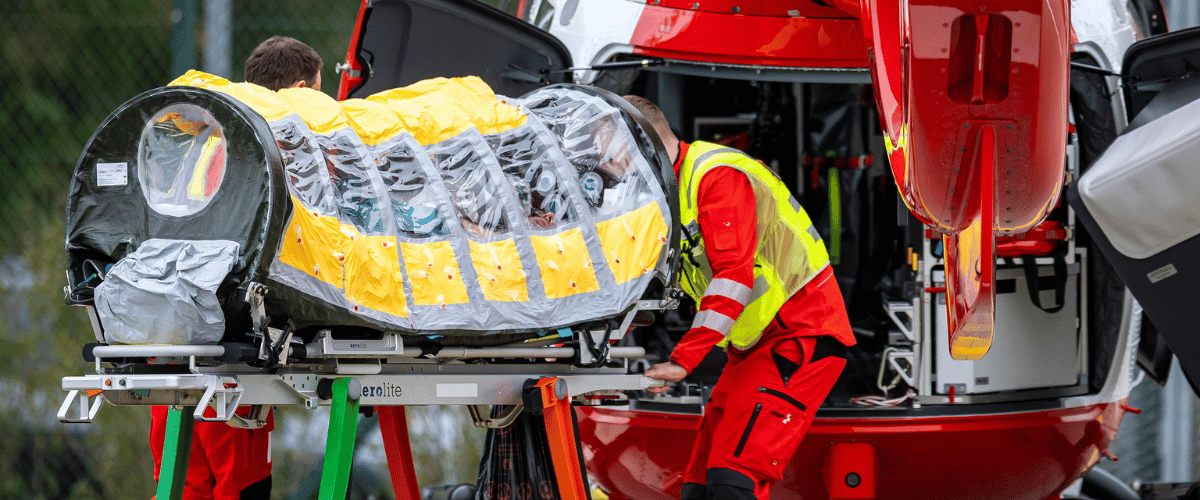
A medical evacuation flight carrying a patient infected with the Ebola virus landed in Switzerland on October 26, 2026, bringing active treatment protocols to facilities roughly 100 kilometers from Courmayeur, in Valle d’Aosta, as reported by Secolo d’Italia.
-
Key Clinical Takeaways:
- The case involves the Bundibugyo strain of the virus, linked to an outbreak originating in the Democratic Republic of Congo and subsequent travel through Uganda.
Medical Evacuation Flight Lands in Geneva
The female patient, married to a staff member at the Swiss embassy in Abuja, arrived via a specialized medical flight into Switzerland on the afternoon of October 26, 2026. Federal public health authorities in Switzerland immediately issued statements assuring the public that no risk exists for the domestic population, citing the specialized isolation infrastructure available in the country.
The patient was diagnosed on October 20, 2026, after initially receiving care in a private hospital in Abuja, Nigeria. Muhammad Ali Pate stated via social media that the patient was conscious and speaking, and noted that her clinical condition had shown improvement prior to transport.
Switzerland Uses Reference Centers for High-Consequence Infectious Diseases
Switzerland maintains two designated reference centers for high-consequence infectious diseases, established in 2019 at the university hospitals in Geneva and Zurich. These facilities operate specialized high-containment isolation units staffed by personnel trained to prevent environmental exposure. The Swiss Federal Office of Public Health managed the high-consequence transport under strict biocontainment protocols. The intervention highlights the cross-border coordination required when diplomatic personnel or citizens contract viral hemorrhagic fevers in regions experiencing active outbreaks.
Wider Regional Outbreak Dynamics in Central and West Africa
The patient’s infection ties back to a broader epidemiological surge across the African continent. Sanità Informazione reported that the current outbreak is driven by the Bundibugyo ebolavirus strain, contrasting with the Zaire strain responsible for the 2014-2016 West African epidemic. The World Health Organization documented 9,704 confirmed cases and 4,687 deaths in the Democratic Republic of Congo, resulting in a crude fatality rate of approximately 48.3 percent across 66 health zones.
Il Post noted that the geographic spread of this outbreak is the most extensive recorded, reaching three distinct regions: Central Africa, East Africa with cases in Kenya, and West Africa with the confirmed diagnosis in Abuja, Nigeria. The Nigerian capital had remained free of the virus for roughly a decade prior to this case.
Quarantine Mandates and Border Restrictions in Uganda
Public health authorities continue to investigate the exact vector and chronology of the patient’s exposure. While initial reports indicated travel through Uganda following a stay in the DRC, subsequent statements from Swiss officials introduced uncertainty regarding the exact geographic locus of transmission. Delays in initial diagnosis compounded the difficulty of mapping secondary contacts.

Unresolved Epidemiological Questions
Key clinical details regarding the precise point of exposure remain unverified by international agencies. While the World Health Organization and national ministries have tracked the movement of the patient through Uganda and Nigeria, definitive confirmation of where the viral inoculation occurred has not been established. Public health agencies continue to monitor all identified close contacts through the standard 21-day incubation window to intercept potential secondary transmission.
Disclaimer: The information provided in this article is for educational and scientific communication purposes only and does not constitute medical advice. Always consult with a qualified healthcare provider regarding any medical condition, diagnosis, or treatment plan.