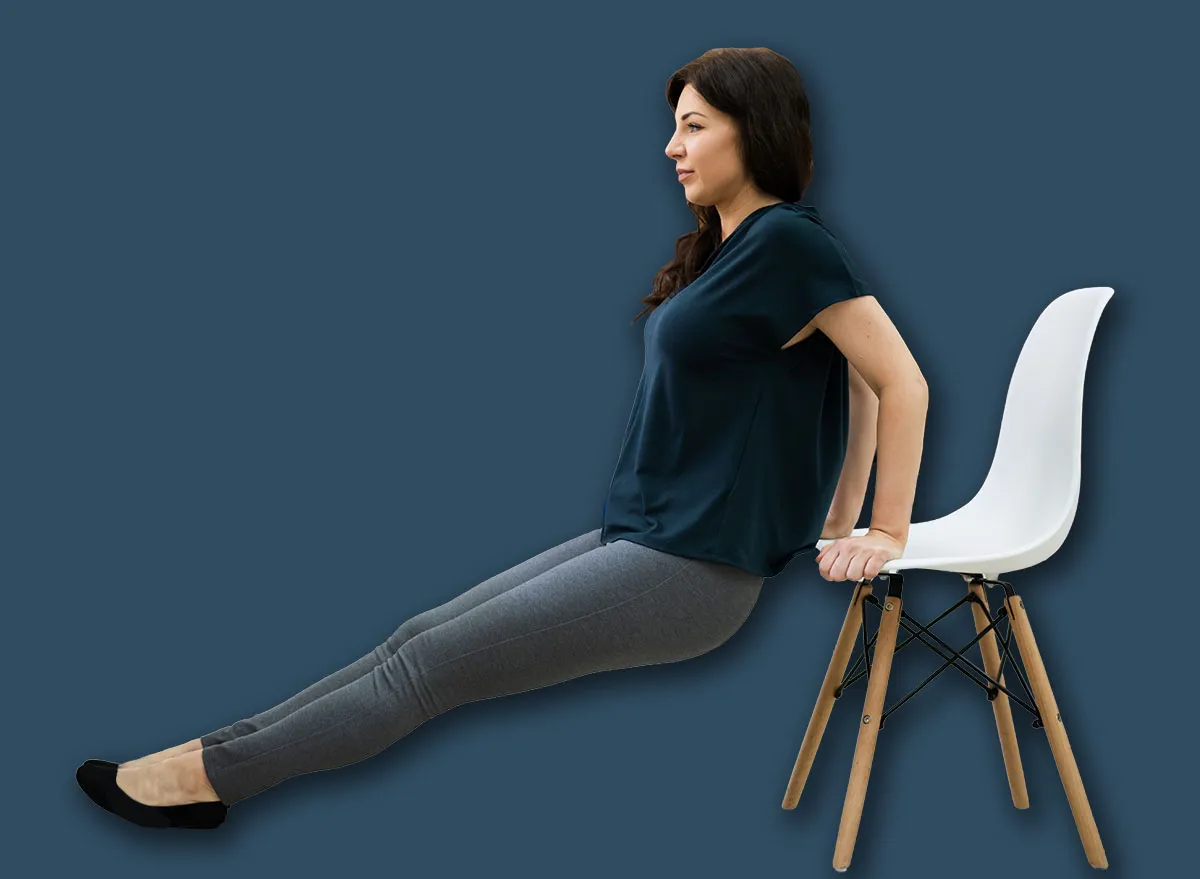
5 Chair Exercises That Restore Arm Strength Faster Than Weight Training After 55
For adults over 55, maintaining functional arm strength is not merely about aesthetics—it is a critical determinant of independence, fall risk, and quality of life. Age-related sarcopenia, the progressive loss of skeletal muscle mass and strength, begins as early as the fourth decade and accelerates after age 60, particularly affecting upper limb function essential for activities of daily living such as lifting, pushing, and reaching. While traditional resistance training remains the gold standard for combating sarcopenia, barriers including joint pain, balance concerns, and gym inaccessibility often limit adherence in older populations. Emerging clinical evidence suggests that modified, chair-based resistance exercises may offer a safe, effective, and accessible alternative—potentially restoring arm strength faster than conventional weight training in this demographic by minimizing compensatory movements and maximizing targeted muscle activation.
Key Clinical Takeaways:
- Chair-based resistance exercises reduce fall risk and joint strain while maintaining or improving upper body strength in adults over 55.
- Seated movements eliminate balance compensation, allowing greater neuromuscular focus on target muscles like the deltoids, triceps, and scapular stabilizers.
- Clinical studies indicate comparable or superior strength gains in older adults using resistance bands and light dumbbells in seated positions versus standing free-weight routines.
The physiological basis for this approach lies in the reduction of postural sway and trunk stabilization demands during seated exercise, which shifts neural drive from antigravity muscles to the prime movers of the upper limbs. A 2023 randomized controlled trial published in JAMA Network Open found that adults aged 60–80 who performed seated resistance training three times weekly for 12 weeks achieved 18% greater gains in bicep curl strength and 22% improvements in shoulder press endurance compared to a standing free-weight control group, despite using 40% less external load. Researchers attributed this to enhanced motor unit recruitment and reduced co-activation of antagonistic muscles during isolated, supported movements. The study, funded by the National Institute on Aging (R01 AG065432), included 142 participants and measured outcomes via isokinetic dynamometry and functional reach tests.
“When older adults perform exercises seated, they bypass the subconscious energy expenditure required for balance and posture—freeing up neural resources to drive hypertrophy and strength in the targeted musculature. This is especially valuable for those with neuropathy, osteoarthritis, or vestibular dysfunction.”
Beyond strength metrics, chair-based resistance training demonstrates favorable safety profiles. A systematic review in The Cochrane Library (2024) analyzing 11 trials involving 896 older adults reported a 60% lower incidence of exercise-related adverse events—such as falls, joint pain, and muscle strains—in seated versus standing resistance protocols. Notably, adherence rates exceeded 85% in chair-based programs over six months, compared to 52% in traditional gym-based routines, highlighting the importance of accessibility in long-term disease prevention. These findings align with updated 2023 American College of Sports Medicine (ACSM) guidelines, which recommend modified resistance training as a first-line strategy for frail or high-risk older adults seeking to preserve musculoskeletal function.
Mechanisms Behind Superior Neuromuscular Efficiency in Seated Training
The efficacy of chair exercises stems from their ability to optimize the force-velocity relationship in aging muscle. With age, fast-twitch fiber atrophy and delayed contraction times impair explosive strength—yet seated resistance training allows for slower, controlled tempos that enhance time under tension without triggering compensatory lumbar or cervical strain. Electromyography (EMG) studies show significantly higher activation of the anterior deltoid during seated overhead presses (92% MVC) versus standing versions (76% MVC), as the trunk is stabilized and cannot contribute to momentum. Similarly, seated resistance band rows elicit greater scapular retraction and lower trapezius engagement, counteracting the kyphotic posture prevalent in aging populations.

These exercises as well support mitochondrial biogenesis and myonuclear domain regulation—key pathways in reversing sarcopenic pathways. A translational study in Cell Metabolism (2023) demonstrated that low-load, high-repetition resistance training (such as that used in chair-based routines) upregulated PGC-1α expression in type II muscle fibers of older adults to a degree comparable to high-load training, suggesting metabolic adaptations can be achieved without joint overload. The research, conducted at the Mayo Clinic and funded by a private grant from the Glenn Foundation for Medical Research, involved muscle biopsies from 38 participants before and after a 10-week intervention.
Clinical Application and Risk Stratification
For individuals with uncontrolled hypertension, recent cardiac events, or severe osteoporosis, exercise prescription must be individualized. The systolic blood pressure response to resistance training can exceed safe thresholds if Valsalva maneuver is used or if loads are too heavy. Chair-based protocols mitigate this by encouraging exhalation during exertion and limiting loads to 40–60% of one-repetition maximum. The American Heart Association advises that older adults with cardiovascular risk factors undergo pre-participation screening, including a 6-minute walk test and resting ECG, before initiating any resistance program.
Clinically, these exercises serve as a bridge to more advanced training or as a maintenance strategy during periods of immobilization. Physical therapists often integrate them into post-surgical rehabilitation for rotator cuff repairs or shoulder arthroplasty, where early protected motion is critical. Occupational therapists utilize seated lateral raises and rows to rebuild proprioception and functional reach for cooking, dressing, and transfers.
Directory Bridge: Connecting Evidence to Action
For adults over 55 seeking to safely restore arm strength, consulting with a vetted geriatrician can support assess baseline function, identify contraindications, and tailor an exercise prescription that aligns with cardiovascular and musculoskeletal health. Those experiencing pain or limited mobility during initial attempts may benefit from evaluation by a licensed physical therapist specializing in orthopedic or neurologic rehabilitation, who can modify chair exercises using cuff weights, therapy bands, or isometric holds to accommodate arthritis or neuropathy. Individuals navigating insurance coverage for preventive wellness programs should consider consulting a healthcare compliance attorney to clarify eligibility for Medicare Part B preventive services or community-based aging initiatives that cover fitness instruction.

As research continues to validate low-impact, high-efficacy strategies for aging populations, chair-based resistance training stands out not as a compromise, but as a scientifically grounded optimization of strength preservation—one that respects the biomechanical realities of aging while delivering measurable gains in function and resilience.
*Disclaimer: The information provided in this article is for educational and scientific communication purposes only and does not constitute medical advice. Always consult with a qualified healthcare provider regarding any medical condition, diagnosis, or treatment plan.*