5 Breakthrough Strategies to Kill Pancreatic Cancer Cells: Latest Preclinical Insights
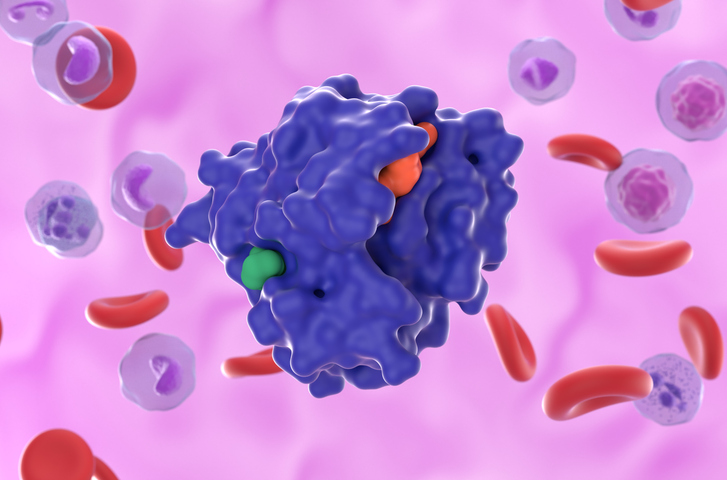
Researchers have identified a novel mechanism to induce cell death in pancreatic ductal adenocarcinoma (PDAC) by blocking Caspase-8, a protein typically associated with apoptosis. According to a study published June 13, 2026, in the journal Nature, this therapeutic strategy exploits the oncogenic KRAS signaling pathway to prime cancer cells for necroptosis, a regulated form of inflammatory cell death.
Key Clinical Takeaways:
- Targeting the Caspase-8 pathway shifts the mode of cell death in pancreatic tumors from programmed apoptosis to necroptosis, which may be more effective at triggering an immune response.
- The mechanism relies on KRAS-driven type I interferon signaling, providing a potential biomarker for identifying patients who may respond to this targeted approach.
- This preclinical finding represents an early-stage discovery; while promising, it remains in the laboratory phase and has not yet entered human clinical trials.
The Biological Mechanism of Necroptosis in PDAC
Pancreatic cancer remains one of the most lethal malignancies due to its dense, fibrotic stroma and inherent resistance to standard-of-care chemotherapy. The study, led by researchers at the University of California and supported by the National Institutes of Health (NIH), demonstrates that pancreatic cancer cells utilize Caspase-8 to bypass necroptosis, thereby surviving environmental stressors. By inhibiting Caspase-8, investigators triggered a “switch” that forces these cells into a necroptotic state. This process is mediated by the persistent activation of the KRAS oncogene, which continuously signals for type I interferon production, effectively sensitizing the tumor cells to the blockade.

Dr. Elena Rossi, a molecular oncologist not involved in the study, noted the significance of this shift: “The ability to bypass the apoptotic resistance that characterizes PDAC is a major hurdle. Necroptosis is inherently more immunogenic than apoptosis, which could theoretically turn ‘cold’ tumors ‘hot’ by recruiting T-cells to the tumor microenvironment.”
Comparative Analysis of Cell Death Pathways
Understanding the transition from apoptosis to necroptosis is essential for future drug development. The following table highlights the functional differences observed in preclinical models:
| Feature | Apoptosis (Standard) | Necroptosis (Targeted) |
|---|---|---|
| Mechanism | Caspase-dependent | Caspase-independent/RIPK3-driven |
| Inflammatory Potential | Low (Immunologically silent) | High (Pro-inflammatory) |
| PDAC Resistance | High (Commonly evaded) | Low (Primed by KRAS) |
Clinical Translation and The Importance of Early Diagnostics
While the study provides a robust molecular framework, the transition from preclinical models to clinical application requires rigorous validation. Patients currently navigating a pancreatic cancer diagnosis must prioritize comprehensive genomic profiling to understand their specific KRAS mutation status. For those seeking expert evaluation, it is essential to consult with board-certified gastrointestinal oncologists who specialize in experimental therapeutic protocols. Early detection and access to high-volume academic centers remain the gold standard for managing the morbidity associated with this disease.
The funding for this research was provided by a multi-year grant from the National Cancer Institute (NCI), reflecting a broader shift toward targeting the metabolic and signaling dependencies of KRAS-driven tumors. According to data from the National Cancer Institute, the standard of care for PDAC currently relies on FOLFIRINOX or gemcitabine-based regimens, both of which face significant challenges in long-term efficacy due to rapid resistance development.
Navigating Future Clinical Development
The next phase of this research necessitates the development of selective small-molecule inhibitors capable of crossing the tumor-stromal barrier. Pharmaceutical developers and biotech firms are already evaluating the regulatory landscape for these novel agents. For organizations involved in early-phase drug development, engaging with healthcare compliance attorneys is a recommended step to address the complex intellectual property and safety monitoring requirements inherent in targeting necroptotic pathways. As the field moves toward human trials, the clinical community will monitor the safety profile—specifically the risk of systemic inflammation—closely.
Future studies will likely focus on the synergy between Caspase-8 inhibition and immune checkpoint inhibitors. By leveraging the inflammatory nature of necroptosis, clinicians may find a way to overcome the immunosuppressive barrier that defines the pancreatic tumor microenvironment. Patients should remain in contact with their primary oncology team to stay updated on emerging clinical trials that may incorporate these novel mechanistic approaches as they advance through the regulatory pipeline.
Disclaimer: The information provided in this article is for educational and scientific communication purposes only and does not constitute medical advice. Always consult with a qualified healthcare provider regarding any medical condition, diagnosis, or treatment plan.