
5 Best Bodyweight Exercises to Build Strength After 60
The long-held belief that significant strength gains after 60 require heavy iron is being challenged by the clinical efficacy of functional bodyweight training. By leveraging the body’s own mass, older adults can bypass the risks associated with external loads while aggressively targeting the neuromuscular deficits that lead to age-related frailty.
Key Clinical Takeaways:
- Functional bodyweight exercises prioritize closed kinetic chain patterns, which improve joint stability and proprioception more effectively than isolated weight movements.
- Targeting the core, hips, and upper back directly mitigates the risk of falls and the associated morbidity of losing physical independence.
- Strategic movement patterns like the “Dead Bug” and “Bird Dog” address the pathogenesis of spinal instability and poor posture common in the 60+ demographic.
The Physiological Pathogenesis of Age-Related Strength Decline
Strength does not vanish overnight; it is the result of a progressive biological shift. As the body crosses the 60-year threshold, hormonal fluctuations and a decrease in the production of essential proteins lead to a decline in the ability to maintain muscle mass. This systemic attrition makes basic activities—such as ascending stairs, rising from a seated position, or carrying grocery bags—increasingly difficult and often painful.
The risk extends beyond simple muscle weakness. When the core, upper back, and hips lose their structural integrity, the body’s overall balance and mobility are compromised. This creates a dangerous cycle where the fear of falling leads to decreased activity, which in turn accelerates muscle wasting. For patients already experiencing significant mobility deficits, it is critical to consult with board-certified geriatricians to establish a safe baseline for physical exertion.
The Biomechanics of Functional Strength vs. Isolated Loading
While dumbbells are a staple of resistance training, they often isolate muscles in a way that does not translate directly to real-world movement. Bodyweight exercises, conversely, engage multiple muscle groups simultaneously. This approach trains the body in motion, fostering strength that carries over into daily life.
The scientific advantage of these movements lies in their nature as closed kinetic chain exercises. According to research by Behm & Sale (1993), movements involving multi-joint coordination and closed kinetic chain patterns improve muscular strength, proprioception, and joint stability more effectively than isolated movements. By supporting their own weight rather than an external object, older adults challenge their stabilizing musculature and the neuromuscular system, enhancing overall motor control.
For those struggling with joint inflammation or chronic pain that hinders these movements, coordinating care with licensed physical therapists ensures that form is optimized to prevent injury while maximizing hypertrophy.
Clinical Breakdown of the Five Essential Bodyweight Movements
To combat the decline of functional independence, Josh York, Founder and CEO of GYMGUYZ, identifies five specific movements that prioritize stability, spinal health, and posterior chain strength.
1. Dead Bugs for Spinal Stabilization
The Dead Bug is designed to strengthen the deep core muscles, which are essential for maintaining posture and protecting the spine. By lying face-up and alternating the lowering of the opposite arm and leg while keeping the lower back pressed firmly into the ground, the practitioner forces the core to stabilize the spine against rotational forces.
2. Glute Bridges for Posterior Chain Support
The glutes and hamstrings provide the primary power for locomotion and standing. The Glute Bridge involves pressing through the heels to lift the hips into a straight line from head to heels. This movement not only strengthens the lower body but provides critical support for the lower back, reducing the risk of lumbar strain.

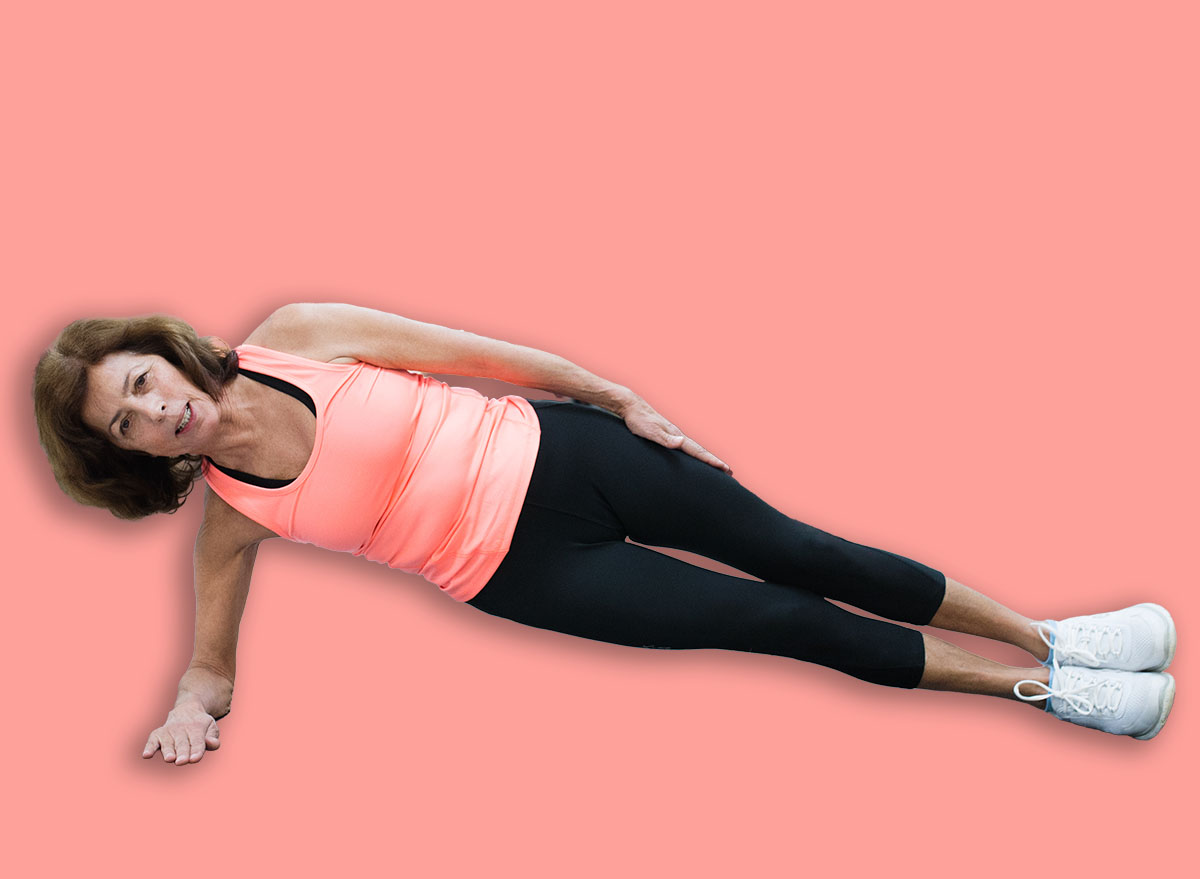
3. Side Planks for Lateral Stability
Core stability is not just about the abdominal wall; it requires strength in the obliques to prevent lateral collapses. The side plank, performed by lifting the hips off the floor while supported by one elbow, engages these lateral stabilizers. This represents a key component in preventing falls, as it improves the body’s ability to maintain equilibrium during sudden shifts in balance.
4. Bird Dogs for Neuromuscular Coordination
Bird dogs demand simultaneous balance and strength. Starting on all fours and extending the opposite arm and leg requires the neuromuscular system to coordinate multiple muscle groups to maintain a steady torso. This improves overall posture and the proprioceptive awareness necessary for navigating uneven terrain.
5. Standing Y-T-Ws for Upper Body Integrity
Upper back and shoulder strength are often neglected in senior fitness, yet they are vital for maintaining an upright posture. The Y-T-W sequence—lifting arms to form these letters while squeezing the shoulder blades—targets the trapezius and rhomboids. This counteracts the forward-slumping posture often associated with aging.
Patients with pre-existing degenerative disc disease or severe shoulder impingement should seek a consultation with orthopedic specialists before implementing these movements to ensure the modifications are clinically appropriate.
The Future of Functional Longevity
The shift toward bodyweight-centric functional training represents a broader move in public health toward “aging in place.” By focusing on the biomechanics of how the body actually moves in a home or community environment, we can reduce the morbidity associated with sarcopenia. The integration of closed kinetic chain movements ensures that the strength built in a workout is the same strength used to maintain independence.
As clinical research continues to refine the relationship between motor control and longevity, the emphasis will likely move further away from isolated muscle growth and toward integrated systemic stability. To implement these protocols safely, individuals should seek guidance from vetted healthcare providers and strength specialists who understand the unique physiological needs of the 60+ population.
Disclaimer: The information provided in this article is for educational and scientific communication purposes only and does not constitute medical advice. Always consult with a qualified healthcare provider regarding any medical condition, diagnosis, or treatment plan.