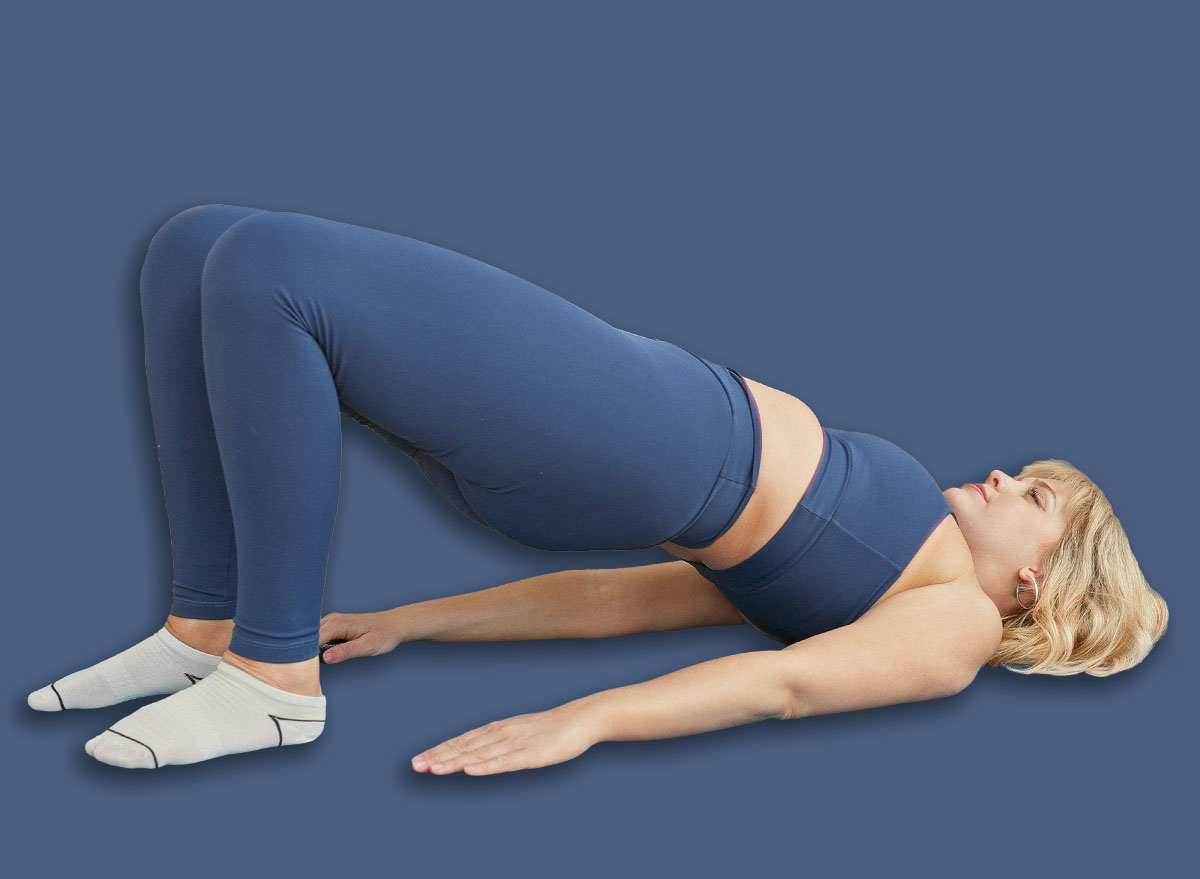
4 Morning Exercises to Restore Hamstring Strength After 60: Expert-Approved Exercises for a Healthier Back
As we age, the posterior chain—specifically the hamstrings—often experiences a decline in functional capacity, leading to biomechanical compensations that manifest as lower back strain and reduced gait stability. While conventional wisdom frequently points to lunges as a staple for lower-body conditioning, clinical observation suggests that these movements often prioritize quadriceps and gluteal activation over the specific eccentric and isometric demands required to maintain hamstring integrity in the over-60 demographic.
Key Clinical Takeaways:
- Targeted tension-based movements, such as the hinge and bridge, restore hamstring functionality more effectively than multi-joint movements like lunges for aging populations.
- Maintaining eccentric control—the lengthening phase of muscle contraction—is critical for preventing the “parking brake” sensation of tightness often reported in geriatric cohorts.
- Integrating these four morning movements into a structured routine can mitigate risks associated with lumbar spine hyper-extension and gait instability.
The pathogenesis of age-related muscle decline involves both sarcopenia and a reduction in neuromuscular control. When the hamstrings fail to adequately decelerate the limb during gait or stabilize the pelvis during a hinge, the lumbar spine is often forced to compensate, leading to chronic morbidity and increased risk of falls. Research published in the International Journal of Sports Physical Therapy highlights that hamstring activation patterns vary significantly between high-speed running and closed-chain strengthening exercises. For the aging patient, the standard of care must shift away from high-impact, high-velocity lunging toward controlled, tension-focused modalities that prioritize the posterior chain.
According to a study published in the South African Journal of Physiotherapy, novel approaches to hamstring flexibility and strength require a focus on progressive loading and controlled mechanical tension. These findings underscore that the efficacy of any exercise program is contingent upon the patient’s ability to maintain proper form without eliciting compensatory lumbar spine engagement. For individuals currently navigating post-acute recovery or chronic musculoskeletal stiffness, identifying a board-certified physical therapist is essential to ensure that these movements are tailored to individual physiological constraints and baseline strength levels.
The Biomechanics of the Hinge and Bridge
The four prescribed movements—Banded Good Mornings, Glute Bridge Walkouts, Single-Leg Glute Bridge Holds, and Slider Hamstring Curls—function by placing the hamstrings under consistent, manageable tension. Unlike the lunge, which introduces a high degree of vertical load that may be contraindicated for patients with knee osteoarthritis or balance deficits, these exercises allow for a focus on hip extension and eccentric lengthening.
“The objective in prescribing these movements for the over-60 population is to optimize the length-tension relationship of the hamstring complex without subjecting the lumbar spine to unnecessary shear force,” notes Dr. Elias Thorne, a specialist in geriatric musculoskeletal rehabilitation. “By isolating the posterior chain through controlled hinging and bridging, we create a more stable foundation for daily activities, such as standing from a seated position or navigating stairs.”
Clinical Implementation and Safety Protocols
Patients are advised to approach these exercises with a primary focus on quality over quantity. The clinical goal is to achieve muscular fatigue within the target range—typically 3 sets of 6 to 15 repetitions—without sacrificing the integrity of the spinal column. The use of resistance bands, as seen in the Banded Good Morning, allows for an incremental increase in mechanical load, which is necessary to stimulate muscle protein synthesis in aging tissues. However, patients with pre-existing vertebral disc pathologies should consult with a specialized orthopedic consultant before initiating any new resistance training protocol to ensure that the hinge mechanism does not exacerbate underlying structural issues.
Transparency regarding the development of these protocols is vital. The integration of these exercises into clinical practice is supported by longitudinal observations of functional decline in sedentary versus active cohorts over 60. While these movements are generally considered safe, they should be performed with strict adherence to the prescribed tempo. The “eccentric-only” emphasis in slider curls, for instance, is designed to enhance the structural resilience of the hamstring tendons, which are prone to tendinopathy as the collagen density decreases with age.
Future Trajectories in Geriatric Musculoskeletal Health
As we continue to refine the standard of care for geriatric health, the shift toward “prehabilitation”—the act of strengthening tissues before injury occurs—remains the most effective strategy for preserving independence. The future of this research lies in determining the precise dosage of tension required to reverse age-related atrophy without triggering systemic inflammation. Patients seeking to integrate these methodologies into a broader wellness plan should seek the guidance of a certified geriatric wellness clinic to monitor progress and adjust variables based on objective clinical outcomes.
By prioritizing the posterior chain through these specific, low-impact modalities, individuals over 60 can significantly improve their functional mobility and reduce the likelihood of chronic back pain. The key remains consistency and the disciplined application of controlled mechanical stress, ensuring that the hamstrings remain capable of supporting the body’s kinetic demands.
Disclaimer: The information provided in this article is for educational and scientific communication purposes only and does not constitute medical advice. Always consult with a qualified healthcare provider regarding any medical condition, diagnosis, or treatment plan.