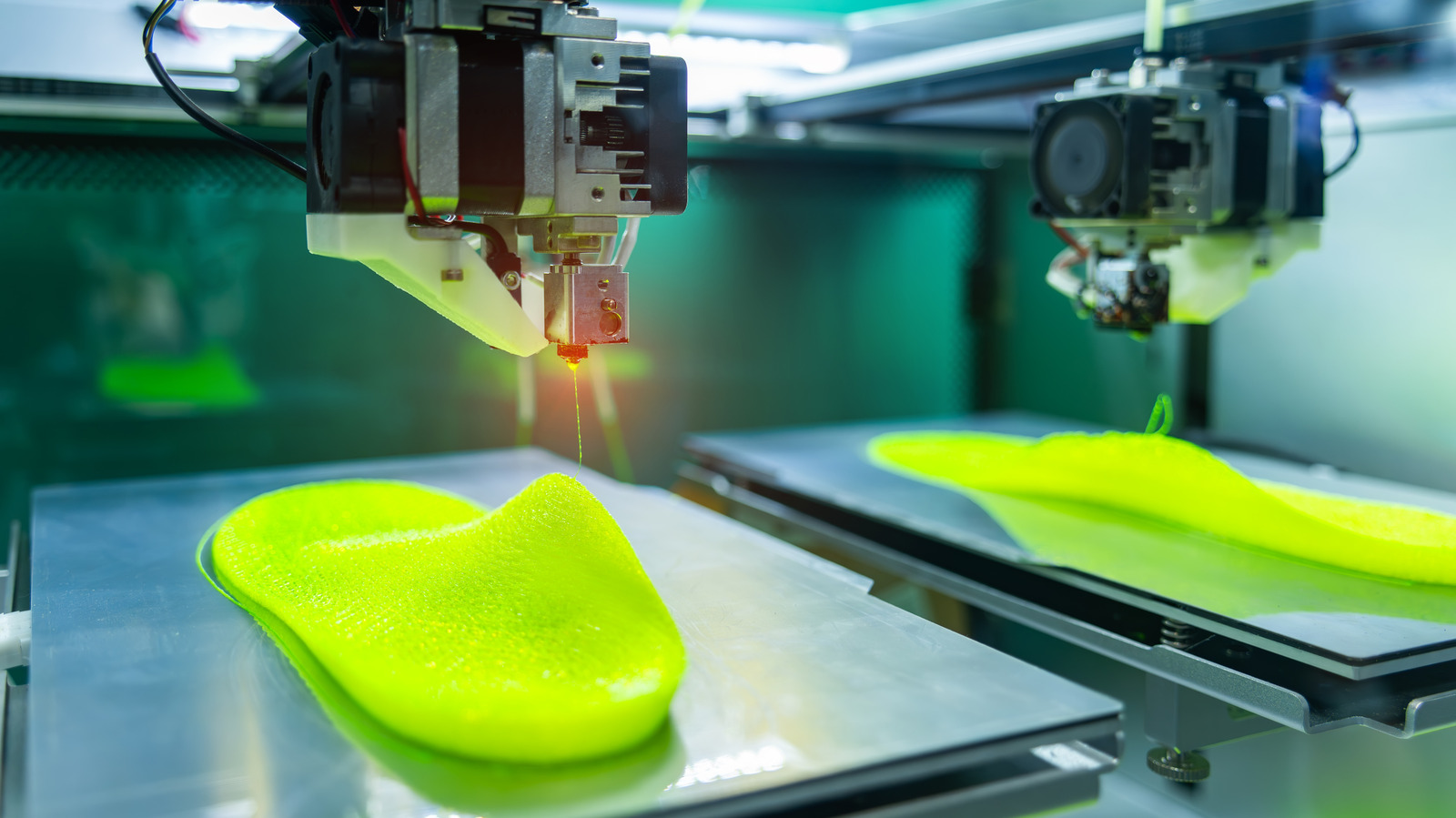
3D printers can lower costs for various expensive hobbyist gear
Owning a 3D printer can sometimes make expensive components and accessories for a more affordable price than you can find in stores by manufacturing custom items on demand. As entry-level hardware prices hover around $170 and standard filament rolls cost roughly $20 per kilogram, hobbyists across fields like drone piloting, gardening, and tabletop gaming are increasingly fabricating their own gear rather than purchasing retail replacements.
The Tech TL;DR:
- Entry-level FDM 3D printers start around $170, with standard plastic filament averaging $20 per kilogram.
- Hobbyists can print replacement parts, mechanical mounts, and custom accessories much cheaper than buying brand-name retail items.
- Proper ventilation and workspace considerations remain necessary, as home printers require dedicated setup away from living areas.
FDM Printers Lower Costs Through Production Volume
Fused deposition modeling (FDM) printers melt plastic filament—usually polylactic acid (PLA)—through a heated nozzle to build objects layer by layer from computer-aided design (CAD) models. Basic machines like the Creality Ender-3 V3 SE run about $170, while more advanced setups can exceed $700. When calculating whether a machine pays for itself, production volume dictates the math. Making fifty $10 items out of a single $1-kilogram roll of filament on an inexpensive printer immediately undercuts traditional retail purchasing.
# Basic FDM Filament Cost-Per-Item Calculation
filament_roll_cost = 20.00  # Cost in USD per kilogram
items_produced = 50       # Total parts printed per spool
cost_per_item = filament_roll_cost / items_produced
print(f"Material cost per printed part: ${cost_per_item:.2f}")
Beyond entry-level FDM units, more expensive systems utilize resin-based stereolithography (SLA), digital light processing (DLP), or polymer powder via selective laser sintering (SLS). While FDM suffices for functional brackets and larger accessories, resin printers remain the standard where fine detail is required for miniatures or precision components.

Drone Enthusiasts Print Non-Structural Spare Parts
Remote-controlled vehicle and drone enthusiasts frequently utilize online 3D modeling repositories to find open-source spare parts. Flight-critical elements such as propellers require strict material validation and should not be printed without verified strength testing, but non-structural additions offer immediate savings. Camera mounts, antenna guards, and arm protectors can be manufactured on demand.
When a specialized component normally costs $10 online, a local printer can churn out an identical replacement for pennies in material costs. This eliminates shipping delays and reduces the ongoing maintenance overhead typical of hobbyist drone operation.
Gardeners and Mechanics Print Specialized Replaceable Items
Mechanics and horticulturists encounter numerous specialized, replaceable items that carry high retail markups due to low production volumes or bundled packaging requirements. Gardeners can print custom signage, plastic clips, planters, soil dibbers, and bird feeders. In the garage, 3D printers manufacture hard-to-find car interior clips, broken knobs, tool organizers, wrenches, and multi-axis vises.
Custom Housings Improve Home Automation Projects
Home automation projects benefit from the ability to fabricate custom housings and physical mountings. Users can design cable management systems, shelving units for smart hubs, and wall mounts for tablets. Near-field communication (NFC) stickers deployed for home control can be integrated into custom-printed button mechanisms, desktop housings, or guest Wi-Fi access signs. For users seeking dedicated wall control, printing a chassis for a Home Assistant touch screen avoids high commercial display costs.
Photography Accessories And Camera Mounts
Photography and videography enthusiasts regularly replace easily lost items like lens caps, cable clamps, and battery holders. Universal lens cap designs eliminate the high retail pricing associated with brand-name accessories. Beyond basic caps, creators print mechanical V-lock battery plates, custom microphone mounts, lighting brackets, selfie handles, and portable tripods. Custom CAD files allow photographers to iterate single-use mounting brackets tailored to specific lenses and bodies.
Tabletop Gaming Terrain And Miniatures
Tabletop gamers, Dungeons & Dragons players, and model railroad hobbyists use additive manufacturing to expand their campaigns and layouts. Online model repositories provide access to digital files for characters, monsters, buildings, terrain, and railroad sidings. Historical wargaming enthusiasts routinely print accurate uniformed troops, though complex miniature details generally necessitate resin printing platforms rather than standard FDM setups.
Before investing in hardware, prospective buyers must evaluate their usage frequency, technical skill level, and running costs. Proper ventilation is mandatory, meaning home units require placement outside of living spaces such as bedrooms or lounges. Beginners often start by utilizing community maker spaces or library printers to test the technology before purchasing dedicated equipment.