
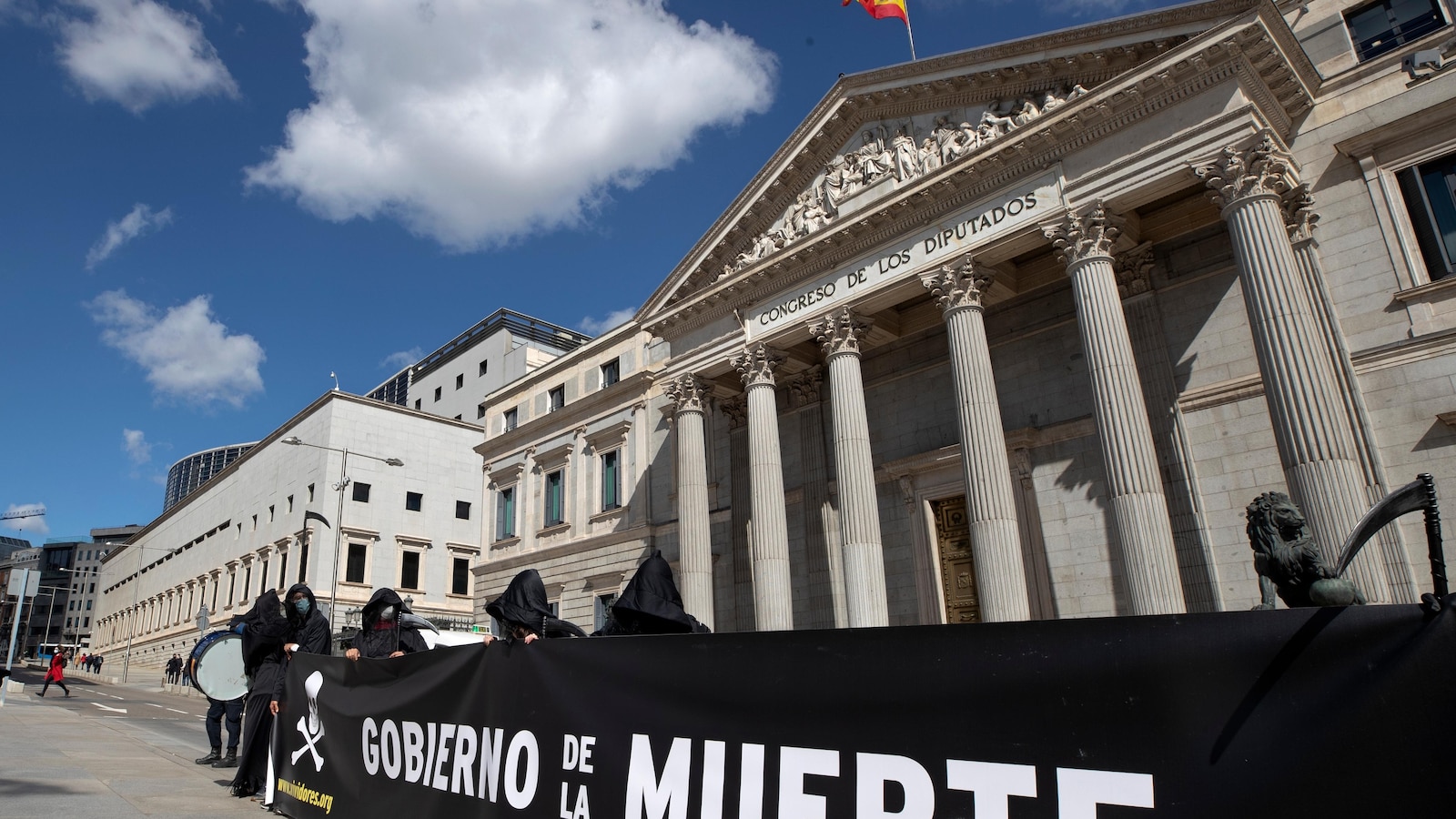
25-Year-Old Noelia Castillo Receives Euthanasia in Spain Despite Family Opposition
Noelia Castillo, a 25-year-old Spanish woman, ended her life by legally sanctioned euthanasia in Barcelona on March 26, 2026, following a year-and-a-half-long legal battle with her family. Her case ignited a national debate about the boundaries of autonomy, mental health, and the right to die in a country where euthanasia was legalized in 2021. This event underscores the growing need for specialized legal and mental health support services.
A Prolonged and Painful Fight for Agency
The story of Noelia Castillo is not simply about a young woman choosing to end her life; it’s a stark illustration of the complexities surrounding end-of-life decisions, particularly when those decisions are contested by family. For eighteen months, Castillo navigated a labyrinthine legal system, fighting for her right to choose euthanasia after a medical body in Catalonia initially approved her request in 2024. Her father’s staunch opposition, fueled by religious beliefs and concerns about her mental state, transformed a deeply personal struggle into a public spectacle.
Castillo’s decision wasn’t made in a vacuum. She had attempted suicide twice before, the second attempt in October 2022 leaving her paralyzed and confined to a wheelchair. This physical trauma compounded existing emotional distress, leading her to seek euthanasia as a final recourse. “At last, I’ve managed it, so let’s see if I can finally rest now,” she told Antena 3 just a day before her death, a statement that encapsulates the profound exhaustion and desperation that drove her decision.
The Legal Landscape of Euthanasia in Spain
Spain’s 2021 law on euthanasia and assisted suicide was a landmark moment, positioning the country among a small but growing number of nations recognizing the right to die under specific circumstances. The law outlines a rigorous process, requiring patients to submit two written requests, undergo consultations with multiple medical professionals, and demonstrate a “serious and incurable” condition causing “severe, chronic and debilitating suffering.”
Yet, the law is not without its critics. Opponents, like the conservative Catholic organization Abogados Cristianos, which represented Castillo’s family, argue that it fails to adequately protect vulnerable individuals and opens the door to abuse. They maintain that Castillo suffered from a personality disorder that impaired her ability to make a rational decision. This argument highlights a central tension in the debate: how to balance individual autonomy with the responsibility to safeguard against potentially coerced or ill-informed choices.
Since the law’s enactment, over 1,123 people have accessed euthanasia in Spain as of the end of 2024, according to the Spanish Health Ministry. This number, while relatively small, is expected to rise as awareness of the law grows and more patients explore their options. The increasing demand necessitates a robust infrastructure of palliative care and psychological support to ensure that all available alternatives are thoroughly considered.
“This case underscores the critical need for comprehensive psychological evaluations and support systems for individuals contemplating end-of-life decisions. It’s not enough to simply assess physical suffering; we must also address the underlying emotional and mental health factors that contribute to these choices.” – Dr. Elena Ramirez, Bioethics Professor at the University of Barcelona.
The Family’s Disappointment and the Ethical Debate
The Castillo family’s grief is palpable. Polonia Castellanos, the family’s attorney, expressed their profound disappointment with the court’s decision, arguing that the Spanish government had “abandoned and failed” their daughter. “Death is the last option, especially when you’re incredibly young,” she stated, echoing the family’s belief that Castillo’s life could have been saved.
This case raises fundamental questions about the role of family in end-of-life decisions. While respecting patient autonomy is paramount, the emotional toll on loved ones cannot be ignored. Navigating these complex dynamics requires skilled mediation and counseling services. Families facing similar situations often benefit from the guidance of experienced estate planning attorneys who can help them understand their rights and responsibilities.
Beyond the Headlines: The Broader Implications
Noelia Castillo’s case extends beyond the individual tragedy. It forces a reckoning with societal attitudes towards death, suffering, and the right to self-determination. The intense media scrutiny surrounding her struggle also highlights the ethical challenges of reporting on sensitive end-of-life issues.
The legal battles, escalating to the Supreme Court and even the European Court of Human Rights, demonstrate the fragility of these rights and the potential for protracted legal challenges. Abogados Cristianos’ repeated attempts to halt the procedure underscore the deep ideological divisions surrounding euthanasia. Their argument that Castillo’s personality disorder compromised her decision-making ability raises concerns about the criteria used to assess mental capacity and the potential for discrimination against individuals with mental health conditions.
The case also highlights the importance of accessible and affordable mental healthcare. Castillo’s history of trauma and mental health struggles suggests that earlier intervention could have potentially altered the course of events. Strengthening mental health services, particularly for young people, is crucial to preventing future tragedies. Organizations like local mental health advocacy groups play a vital role in raising awareness, providing support, and advocating for policy changes.
A Future Shaped by Difficult Choices
Castillo’s final words, expressing a desire to be free from the pain she had endured for years, are a poignant reminder of the human cost of suffering. Her decision to forgo a future she believed offered no hope is a deeply personal one, but it also carries broader implications for society.
Spain’s experience with legalized euthanasia is still relatively new, and ongoing monitoring and evaluation are essential to ensure that the law is implemented effectively and ethically. The case of Noelia Castillo serves as a powerful catalyst for continued dialogue and refinement of the legal framework.
The increasing prevalence of discussions surrounding end-of-life choices necessitates a proactive approach to legal and emotional preparedness. Individuals and families should consider consulting with estate and financial planning professionals to ensure their wishes are clearly documented and their affairs are in order.
Noelia Castillo’s story is a somber reminder that the right to choose is often intertwined with profound suffering, complex legal battles, and deeply held personal beliefs. It’s a story that demands our attention, our empathy, and our commitment to creating a society that supports individuals facing the most difficult decisions of their lives.