
Foods You Should NEVER Eat Raw: A Guide to Safe Eating
Raw food diets are often touted as the pinnacle of health, but not every natural food is safe straight from the source. Some contain dangerous compounds, and others are breeding grounds for pathogens. This guide, informed by nutrition experts, will help you identify foods to avoid eating raw and explain why.
Potatoes: A Starchy Danger
Raw potatoes have a dense, unpleasant texture and a taste that leaves much to be desired. These characteristics exist for a reason. According to Dr. Jennie Ding, raw potatoes contain glycoalkaloids, such as solanine, which can trigger digestive upset and even trigger hallucinations in high doses. These toxins aren’t the only problem; they are also difficult to digest.
As Beth Conlon recommends, always wash potatoes thoroughly to get rid of any dirt and bacteria before consumption, even if you peel them. This helps to get rid of any potential contaminants.
Eggs: A Risk You Can Scramble Away
Though it’s tempting to mimic Rocky’s raw egg habit, it’s not advisable. Raw eggs present significant risks, despite their perceived nutritional benefits. Beth Conlon explains that raw eggs may have Salmonella Enteritidis, a bacterium that causes foodborne illness. Dr. Jennie Ding adds that raw egg whites contain avidin, which can prevent the absorption of biotin, a B vitamin.
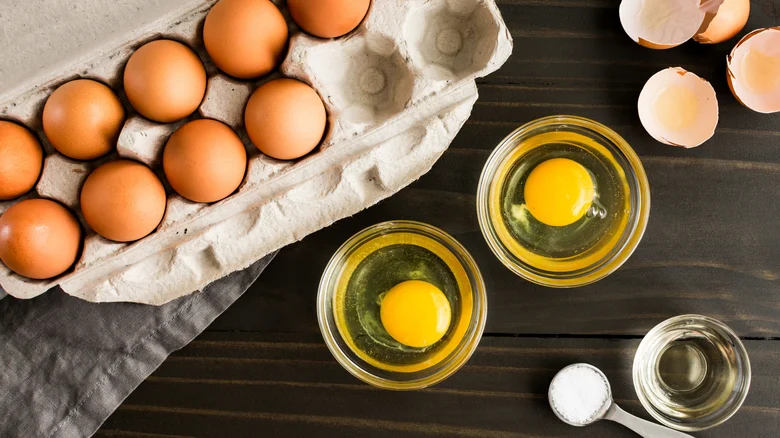
You might encounter raw eggs unintentionally in homemade products like eggnog or baked goods. The FDA suggests thorough cooking of eggs until the yolk and white are firm.
Kidney Beans: Proceed with Caution
If you’re following a raw food diet, steer clear of kidney beans. They’re only safe when heated to a certain temperature. Beth Conlon states that raw kidney beans have high levels of phytohaemagglutinin, a toxic lectin that causes severe nausea, vomiting, and abdominal pain. Consuming just a few raw beans can trigger toxicity.
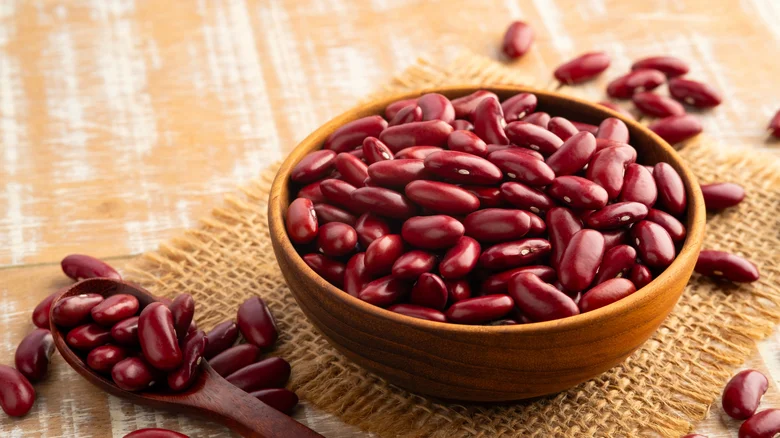
Conlon suggests soaking beans overnight and boiling them at 212 degrees Fahrenheit for at least 10 minutes to destroy the toxin. Avoid slow cookers, because they won’t reach a high enough temperature. Canned kidney beans are pre-cooked and therefore safe.
Honey (For Some): Beware of Botulism
Most people assume honey is always served raw, but there are actually two types: raw and pasteurized. Raw honey, straight from the source, is richer in antioxidants. Pasteurized honey undergoes a heating and cooling process that destroys some bacteria.
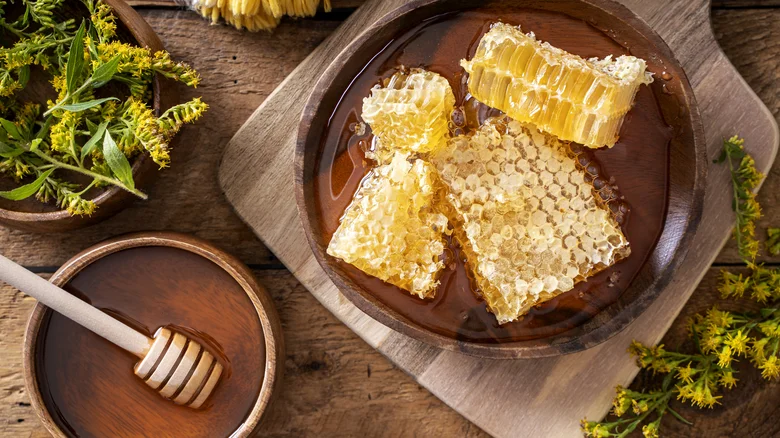
Beth Conlon warns that raw honey can contain botulism, a potentially deadly food poisoning caused by Clostridium botulinum bacteria. Botulism can paralyze essential muscles, leading to death in 5% to 10% of cases. Infants under one year old, the elderly, and immunocompromised individuals are most at risk.
Shellfish: Oysters and Other Risks
Raw oysters are a delicacy, but they carry serious health risks. Dr. Jennie Ding says oysters carry bacteria like Vibrio vulnificus and viruses such as norovirus, which cause severe illness or death, especially in those with weakened immune systems. Beth Conlon notes rising sea temperatures increase Vibrio bacteria, making raw oysters more hazardous in the summer.
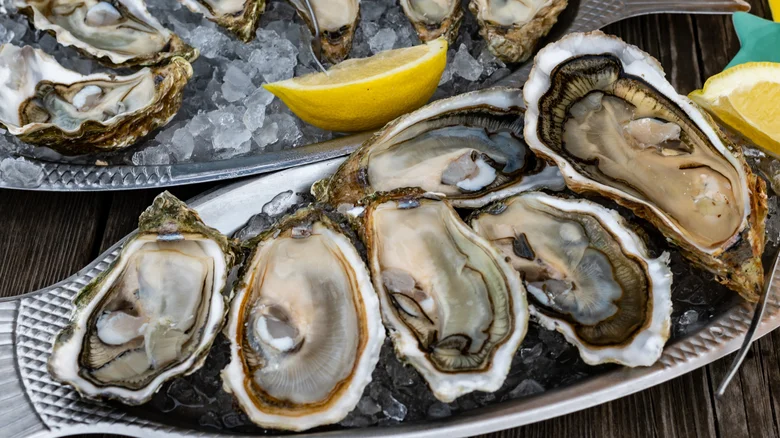
Raw shellfish, like mussels and clams, also have a high risk of Hepatitis A contamination, which leads to serious health issues. Experts advise that proper cooking eliminates these dangers.
Milk: Know the Risks
Most milk sold in the US is pasteurized. Despite claims of raw milk’s health benefits, the FDA doesn’t support those claims with scientific evidence. Dr. Jennie Ding says that raw milk can contain harmful bacteria like E. coli and Listeria. Beth Conlon adds that raw milk can transmit highly pathogenic avian influenza (HPAI H5N1) from infected cows.

Pasteurized milk and dairy products are the best options for safety.
Elderberries: The Importance of Preparation
Elderberries are known to be unsafe when raw. Dr. Ding states that uncooked elderberries, leaves, bark, and roots contain lectins and cyanogenic glycosides, which release cyanide and cause nausea, vomiting, and diarrhea.
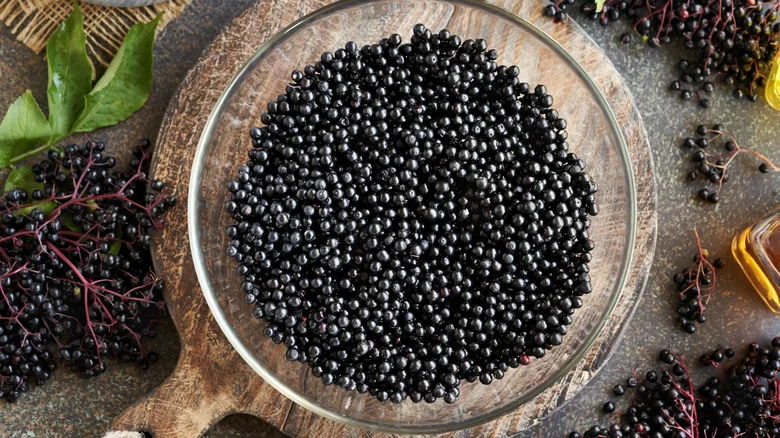
Proper preparation is key, and cooking eliminates the toxins. Commercially prepared elderberry products provide the taste without the potential harm.
Rhubarb Leaves: A Hidden Danger
Though green, leafy vegetables are often beneficial, some can cause more harm than good. Rhubarb leaves are poisonous. According to Dr. Ding, rhubarb leaves are highly toxic due to their high oxalate content, which forms crystals and potentially leads to kidney stones. Even if not consuming a large amount, the toxicity is dangerous.
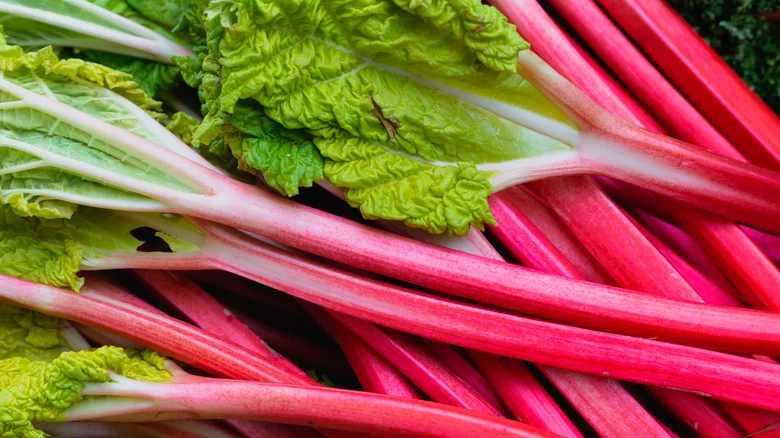
Ingesting moderate amounts can cause stomach pain, vomiting, or seizures, and in rare cases, death. Safe strawberry rhubarb pies are made with the stalks. When preparing rhubarb, stick to the stalks and discard the leaves.
Poultry, Pork, and Ground Beef: The Risks of Raw Meat
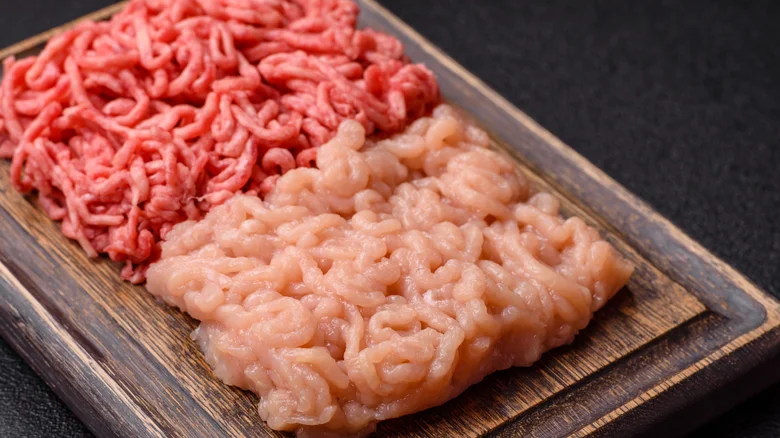
It’s generally known that raw poultry, pork, and ground beef should be avoided due to the high risk of pathogens. Thorough cooking lowers or eliminates the risks. Eating raw pork can lead to trichinosis, a food-borne disease caused by Trichinella. Raw chicken and ground beef can contain bacteria like Clostridium perfringens, Salmonella, and E. coli.
According to the CDC, Salmonella causes approximately 1.35 million infections each year in the United States, with food being the main source (CDC 2024).
Flour or Dough: A Hidden Hazard
Raw dough or batter poses a food poisoning risk. Beth Conlon says germs can contaminate grain during milling. Raw eggs in dough add an additional Salmonella risk. Cooking or baking to the correct temperatures is the only way to guarantee safety.

Conlon discourages taste-testing raw dough and advises separating raw flour from ready-to-eat foods to prevent cross-contamination.
Wild Mushrooms: Not All Are Safe
Identifying wild mushrooms is challenging. Some wild mushrooms are deadly poisonous, and one wrong guess can have dire consequences. Dr. Jennie Ding says that consuming wild mushrooms raw is extremely risky. Beth Conlon states that only about 1% of wild mushrooms are safe to eat raw.
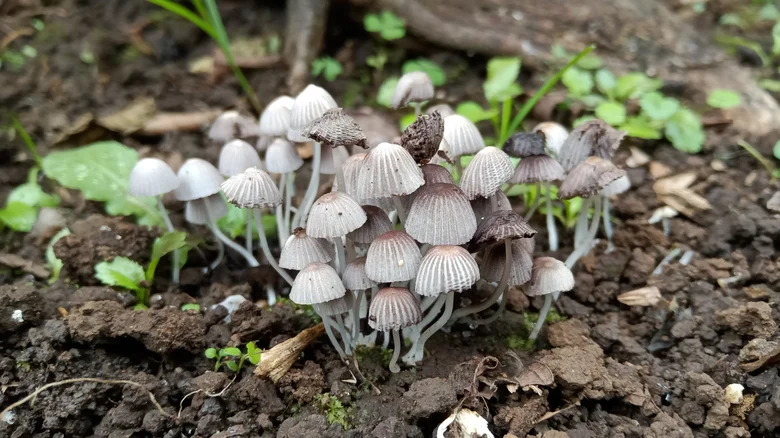
Even edible mushrooms can be hard to digest raw, causing discomfort. Cooking breaks down tough sugars and fibers, transforming them into delicious fungi.
Sprouts: A Breeding Ground for Bacteria
Sprouts have health benefits, but they’re also linked to foodborne illnesses. Beth Conlon says outbreaks have been linked to sprouts for decades. The warm, humid conditions favor bacterial growth, and E. coli, Salmonella, and Listeria can contaminate raw or undercooked sprouts.
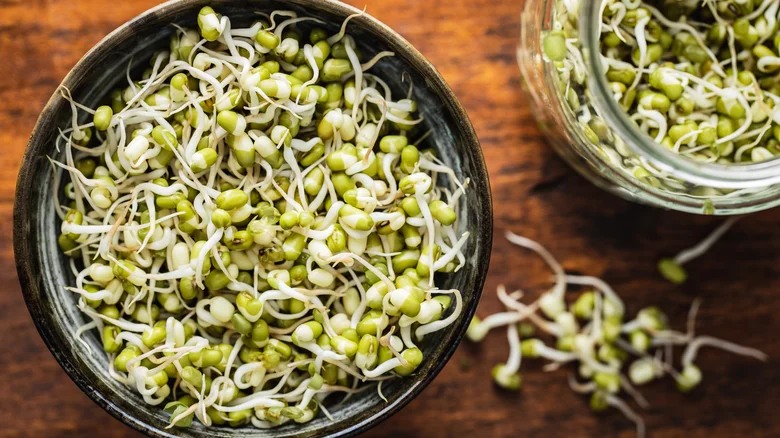
Washing does not guarantee safety, so Conlon suggests that high-risk groups avoid raw sprouts and cook them thoroughly. Many varieties make excellent additions to cooked meals like Asian stir-fries.
Cassava: A Starchy Risk
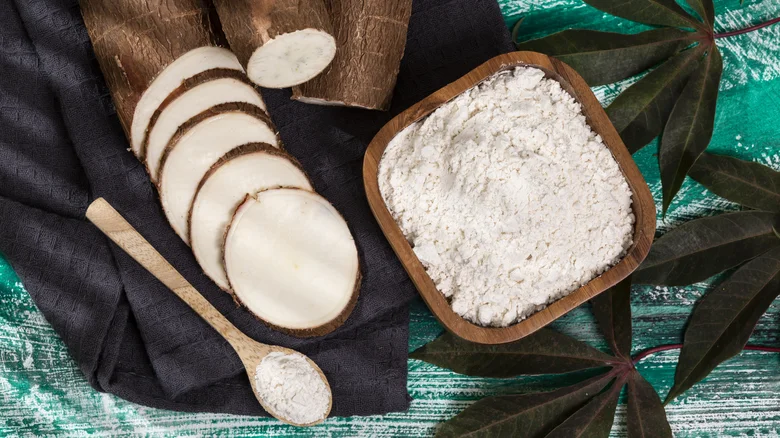
Cassava is a starchy staple in many countries, often consumed like potatoes. Raw cassava should never be eaten. Beth Conlon warns that raw cassava contains cyanogenic glycosides, which release cyanide. Proper processing (peeling, soaking, cooking) is essential to reduce this toxin exposure. Poor communities in Africa consuming improperly processed cassava root suffer from konzo, a form of cyanide poisoning.
Castor Beans: A Deadly Danger
Castor beans are dangerous. Dr. Jennie Ding says castor beans contain ricin, one of the most potent natural toxins. Even a small amount can be lethal. As few as three seeds can kill an adult. Symptoms of ricin poisoning include breathing difficulty and seizures.
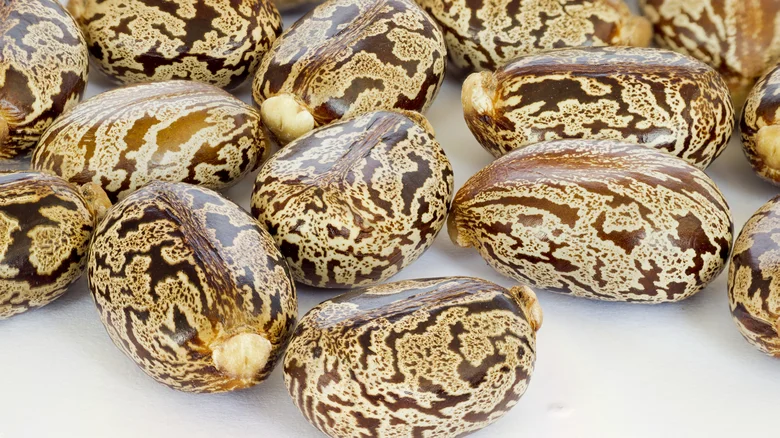
Castor beans should never be eaten raw or at all unless highly processed. Castor oil is derived from the bean, but the ricin is destroyed in the manufacturing process.
Bitter Almonds: A Cyanide Threat
Bitter almonds are linked to cyanide poisoning. Dr. Jennie Ding revealed that bitter almonds contain amygdalin, which converts to cyanide in the body. Eating even a small amount of raw bitter almonds can cause cyanide poisoning. The lethal dose is remarkably small; around 20 bitter almonds can be lethal to an adult.

You won’t find bitter almonds in the US, only safe sweet almonds.
Escolar: A Fish to Approach Cautiously
Escolar is a fish that you might encounter in sushi restaurants. Beth Conlon explains that escolar contains high levels of indigestible wax esters called gempylotoxin, which has a strong laxative effect and may trigger oily diarrhea, nausea, and headaches. The fish is banned in Italy and Japan, and the FDA lifted its ban after realizing that it was not toxic, but rather had extremely unpleasant side effects.
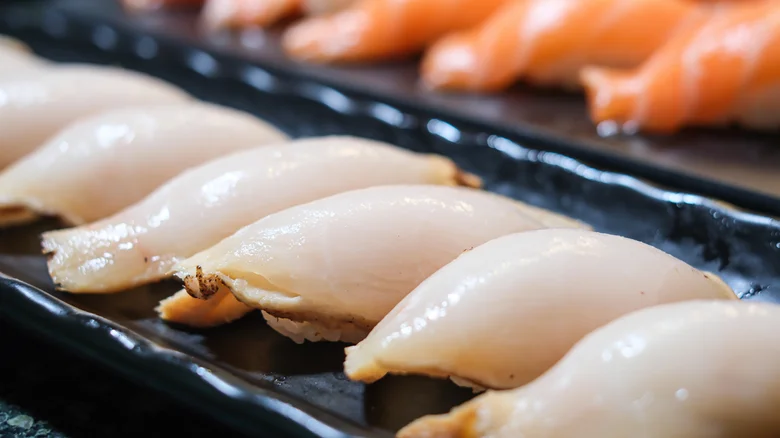
Escolar also may contain high levels of histidine, which can convert to histamine under poor storage, leading to scombroid poisoning, an allergic-like reaction. Escolar is frequently mislabeled as white tuna, increasing the risk of unintentional consumption.
