
Rapid Reset: 15-Minute Yoga Practice to Combat Social Burnout
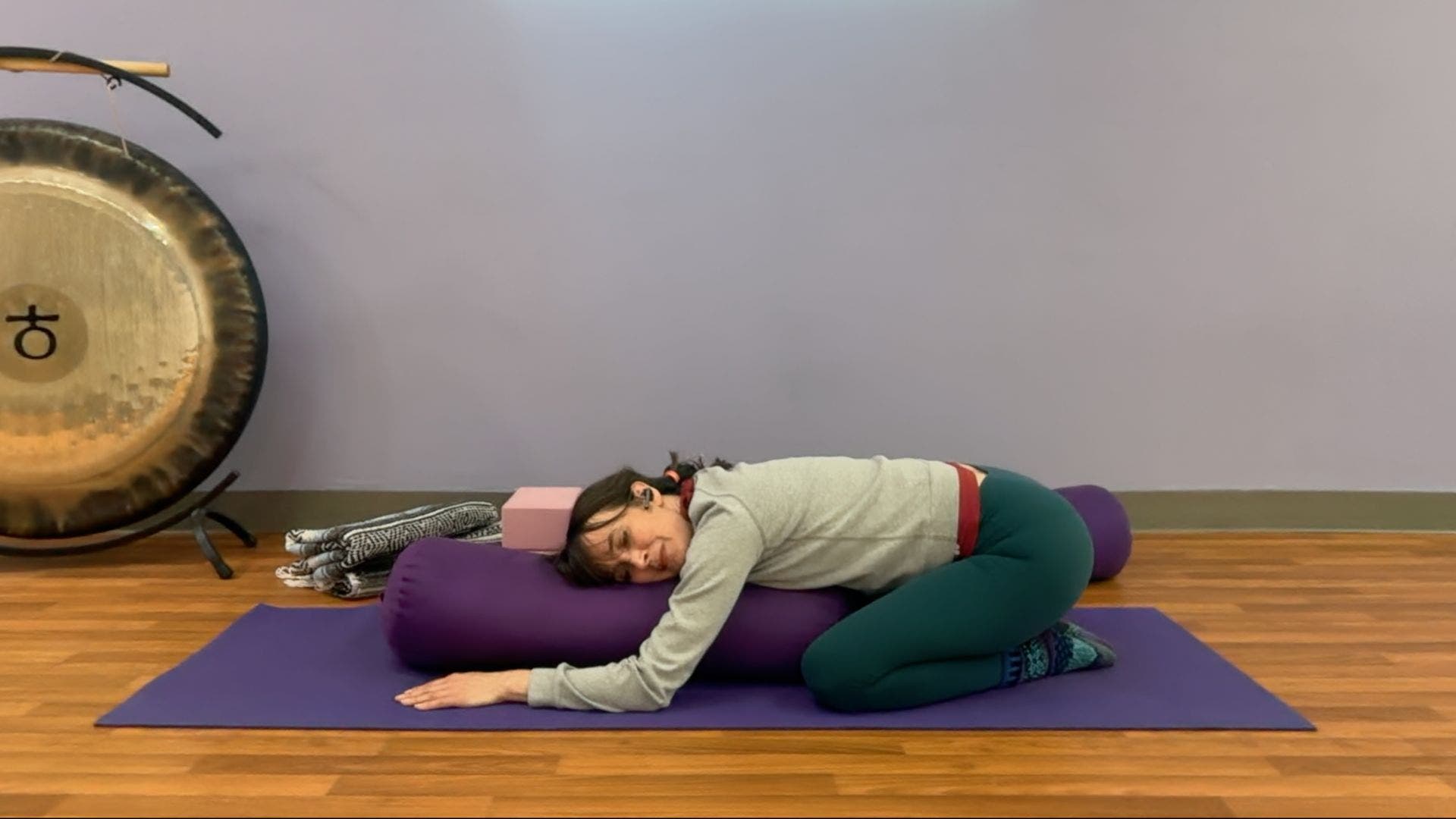
NEW YORK, NY - as social calendars fill and demands on our attention surge, a growing number of individuals are experiencing “social burnout” – a state of emotional, mental, and physical exhaustion stemming from excessive social interaction. A new 15-minute yoga sequence, detailed by Yoga Journal, offers a readily accessible tool for mitigating these effects and fostering a sense of calm and reconnection with oneself.
The rise in social burnout is linked to a post-pandemic surge in social activity coupled with the always-on nature of digital connection, leaving manny feeling depleted rather than rejuvenated by social engagements. This practice, designed for accessibility and quick relief, focuses on restorative poses and breathwork to soothe the nervous system and re-establish boundaries.
The sequence begins with Restorative Bridge Pose, encouraging users to lie with the back of their head comfortably on a mat, legs straightened and heels resting on the mat or knees bent towards the ceiling. Practitioners are advised to breathe in this position for a minute or more before gently rising to a seated position using their forearms.
Next is Hero’s Pose with Breathwork, where individuals kneel on the mat, lowering their hips between their heels onto a bolster, block, or the mat itself. If uncomfortable, any agreeable seated position is acceptable. This pose is paired with Bhramari Breath (bee breath) and Shanmukhi Mudra – a hand position where index fingertips gently touch the eyelids, other fingers resting around the nose and lips, and thumbs against the cartilage of the ears. The practice involves inhaling, pausing, and then exhaling with a humming sound, intended to clear the mind.
The sequence concludes with Seated with Lotus Mudra. Remaining seated,hands are brought to the chest in prayer position (Anjali Mudra),then palms are separated and fingers spread to resemble a flower or cup,symbolizing receptivity. Practitioners are guided to visualize light flowing into their hands, warming their face, and expanding outward.
