15 Mexican Nationals Die in ICE Custody and Enforcement Actions
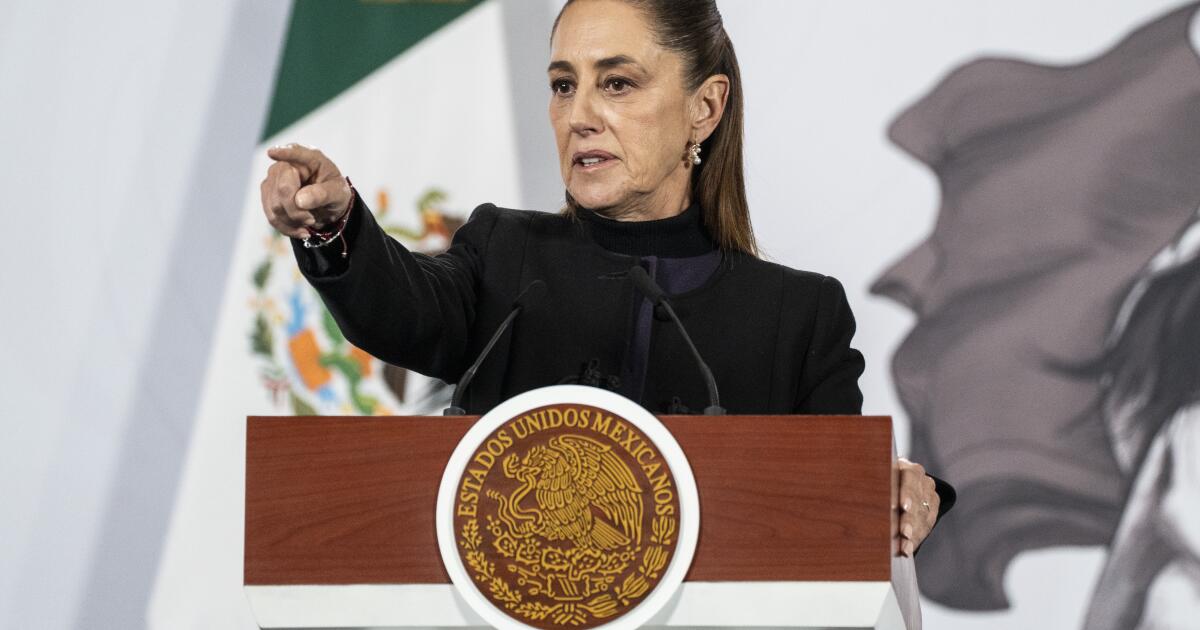
Mexican President Claudia Sheinbaum has ordered increased scrutiny of U.S. Immigration and Customs Enforcement (ICE) detention centers following the deaths of at least 15 Mexican nationals in U.S. Custody during immigration enforcement actions, a development that raises urgent questions about migrant safety, due process, and cross-border accountability as of April 14, 2026.
The directive, issued by Sheinbaum on April 10, mandates Mexico’s foreign ministry and consular network to intensify monitoring of ICE facilities, particularly in Texas and Arizona, where the majority of recent fatalities have occurred. This move comes amid growing concern over opaque detention conditions, limited access to legal counsel, and allegations of medical neglect in federally contracted facilities. For families in Mexico seeking answers and U.S.-based advocates pushing for reform, the incident underscores a critical gap: the need for independent oversight, legal advocacy, and consular support systems that bridge jurisdictional divides.
The Human Toll Behind the Statistics
At least 15 Mexican citizens have died in ICE custody or during enforcement operations since January 2025, according to data compiled by the Mexican Secretariat of Foreign Affairs (SRE) and corroborated by independent monitors. Causes range from suicide and untreated medical conditions to alleged use-of-force incidents during transfers. In one case, a 34-year-old man from Oaxaca died after being denied insulin for three days in a Pearsall, Texas detention center—a facility previously cited by the Department of Homeland Security’s Office of Inspector General for repeated violations in medical care standards.
We are not asking for special treatment. We are asking that our citizens be treated with the dignity and basic human rights afforded to anyone under U.S. Jurisdiction, regardless of immigration status.
— Mariana López, Director of Consular Protection, SRE, in a press briefing on April 12, 2026
The deaths have triggered diplomatic friction, though both governments emphasize cooperation. The U.S. State Department confirmed receipt of Sheinbaum’s request and stated it is reviewing consular access protocols, though it declined to comment on specific cases citing privacy laws. Meanwhile, Mexican consulates in Houston, Phoenix, and Los Angeles have reported a 40% increase in family inquiries about detained relatives since the beginning of the year, straining already limited resources.
Geo-Local Impact: Border Communities Under Pressure
In South Texas, where over 60% of ICE detainees are Mexican nationals, local hospitals and nonprofits are feeling the ripple effects. The Webb County Regional Medical Center in Laredo reported treating three detainees in critical condition over the past month, all transferred from nearby ICE facilities with severe dehydration and untreated infections. Administrators say they are not reimbursed for emergency care provided to detainees, creating a growing financial burden on county health systems.
When we stabilize a detainee and send them back, we absorb the cost. This isn’t just a humanitarian issue—it’s becoming a municipal finance crisis.
— Dr. Elena Ruiz, Chief of Emergency Medicine, Webb County Regional Medical Center, interviewed April 13, 2026
In Arizona, the Florence Immigrant and Refugee Rights Project (FIRRP) has seen its caseload double, with attorneys reporting increased difficulty accessing clients due to frequent transfers and delayed consular notifications. Legal advocates argue that inconsistent enforcement of the 2008 Consular Notification Agreement—requiring U.S. Authorities to inform foreign nationals of their right to consular assistance—exacerbates risks, particularly for indigenous language speakers from southern Mexico who struggle to navigate the system without interpreters.
The Directory Bridge: Where Solutions Meet Need
For Mexican families navigating this crisis, access to verified immigration attorneys who understand both U.S. Detention law and consular protocols is essential—not only to challenge unlawful detention but to ensure timely communication with consular officials. Simultaneously, human rights organizations specializing in border advocacy play a critical role in documenting conditions, filing FOIA requests, and connecting families with translators and mental health support. On the municipal front, county health administrators and emergency medical coordinators
These services are not abstract solutions—they are active lifelines. In El Paso, a coalition of immigration law firms and detention watch groups recently launched a rapid-response hotline that has already facilitated consular access for 12 detained individuals in March alone. Such models demonstrate how localized expertise can scale impact when resourced properly.
Macro Context: A System Under Strain
The deaths occur against a backdrop of record-high ICE detention averages—over 25,000 individuals daily in early 2026, the highest since 2019—driven by expanded enforcement under the Biden administration’s asylum restrictions and heightened border pressures. Simultaneously, private prison contractors managing ICE facilities have faced renewed scrutiny. a March 2026 GAO report found that 70% of deaths in detention between 2020 and 2024 occurred in privately operated centers, with inadequate medical staffing cited in 60% of cases.
Economically, the U.S. Spends approximately $2.1 billion annually on ICE detention, yet investment in medical oversight and legal access remains disproportionately low. For Mexico, the human cost extends beyond tragedy: remittances from the U.S. Totaled $63 billion in 2025, making migrant welfare not only a moral imperative but a macroeconomic concern. Disruptions to migrant safety and legal stability risk undermining one of Latin America’s most vital financial lifelines.
The Sheinbaum directive, although framed as a consular response, signals a broader shift: Mexico is no longer treating migrant deaths as isolated incidents but as systemic failures requiring sustained diplomatic engagement, legal recourse, and regional cooperation. As enforcement policies evolve and detention numbers fluctuate, the demand for transparent oversight, accessible legal aid, and binational accountability mechanisms will only grow.
the true measure of this moment will not be in headlines or diplomatic notes, but in whether a mother in Chiapas can finally learn the truth about her son’s death—and whether a nurse in Laredo can treat the next detainee without fearing bankruptcy for doing her job. For those seeking to act, the path forward begins not with speculation, but with connection: to the lawyers, advocates, and public servants who turn crisis into accountability. Find them in the World Today News Directory.