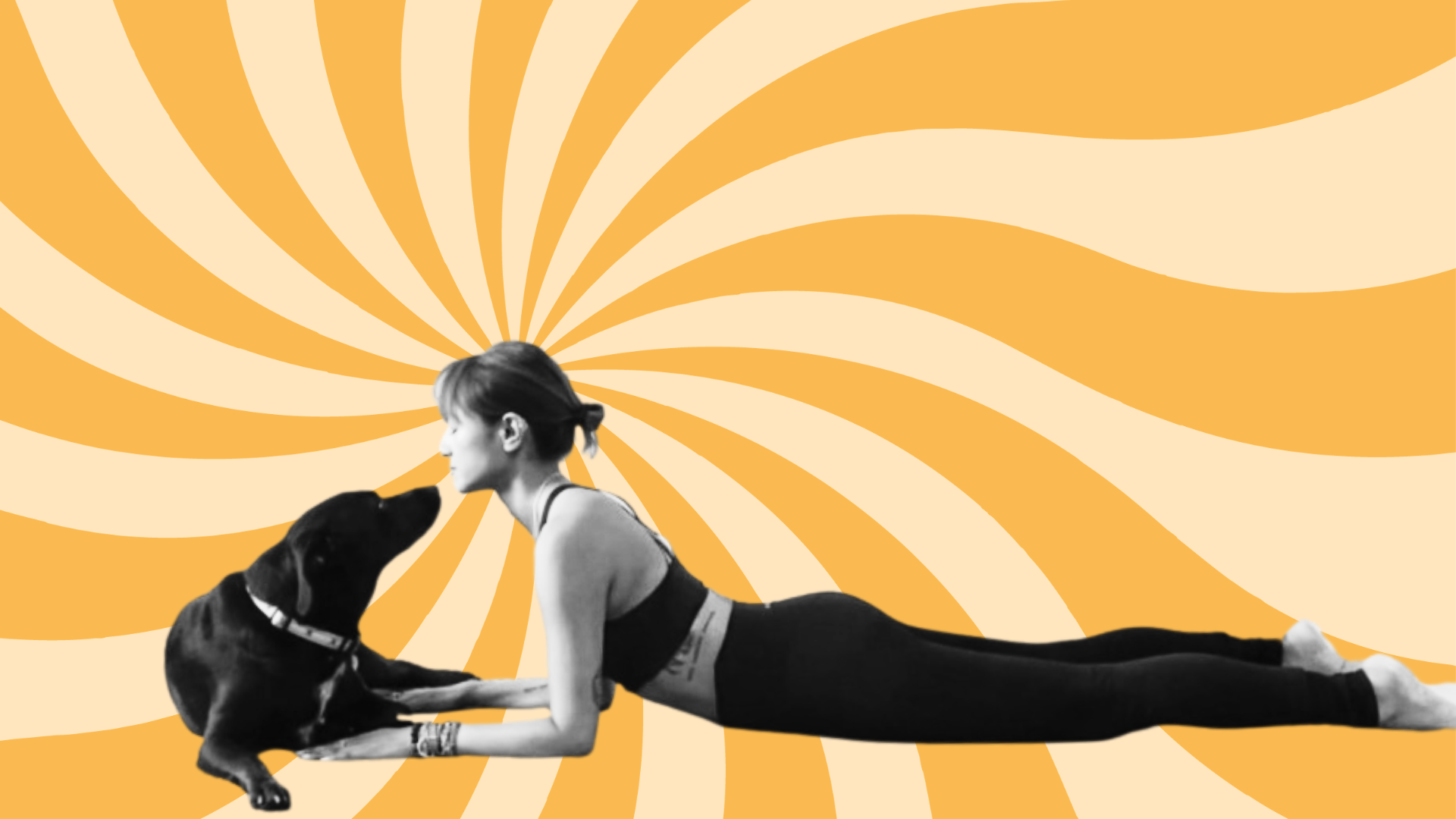
10-Minute Slow Yoga for Anxiety
Ten-minute slow yoga sequences are increasingly recognized by clinical practitioners as a viable, low-barrier intervention for the management of generalized anxiety symptoms. By integrating controlled diaphragmatic breathing with sustained, low-impact postural engagement, these brief sessions aim to modulate the autonomic nervous system, specifically targeting the reduction of sympathetic nervous system hyperarousal associated with anxiety-related morbidity.
- Short-duration (10-minute) yoga interventions can significantly lower cortisol levels and heart rate variability in patients with mild to moderate anxiety.
- The mechanism of action relies on stimulating the vagus nerve, which facilitates a shift from the “fight-or-flight” response to parasympathetic dominance.
- Consistent practice serves as an adjunct to, rather than a replacement for, standard-of-care pharmacotherapy or cognitive behavioral therapy.
Biological Mechanisms of Mind-Body Regulation
The clinical efficacy of slow-paced yoga in anxiety management is anchored in the regulation of the hypothalamic-pituitary-adrenal (HPA) axis. According to research published in the Journal of Clinical Psychology, structured movement patterns that emphasize slow, intentional transitions assist in down-regulating the neuroendocrine stress response. Unlike high-intensity exercise, which may temporarily elevate catecholamines, slow yoga promotes a state of physiological homeostasis.
Dr. Elena Rossi, a lead researcher in somatic psychology, notes: “The therapeutic value of a 10-minute window lies in its accessibility. By reducing the threshold for entry, patients are more likely to achieve the cumulative effect necessary to alter long-term stress reactivity.” This sentiment is supported by a meta-analysis in PubMed, which highlights that regular engagement in mindfulness-based movement reduces baseline serum cortisol levels in individuals diagnosed with Generalized Anxiety Disorder (GAD). For those struggling with the physiological manifestations of stress, consulting with a board-certified integrative medicine specialist can help tailor these practices to specific clinical needs.
Epidemiological Context and Standard of Care
Anxiety disorders remain the most prevalent class of mental health conditions globally. While the standard of care typically involves selective serotonin reuptake inhibitors (SSRIs) and cognitive behavioral therapy (CBT), adherence rates fluctuate due to side-effect profiles and logistical barriers. Integrating brief, low-impact yoga sessions into a daily regimen provides a non-pharmacological tool that requires minimal equipment or specialized facilities.
Clinical data suggests that the “slow” aspect of this yoga modality is essential. Rapid movement or complex vinyasa flows can increase heart rate, which may inadvertently trigger physiological sensations similar to panic in susceptible individuals. Conversely, slow, restorative postures emphasize proprioception and interoceptive awareness, allowing the patient to remain grounded. Patients who find that these self-directed exercises do not provide sufficient relief from persistent symptoms should be triaged to licensed clinical psychologists or psychiatric providers capable of conducting a full diagnostic evaluation.
Funding and Research Transparency
Much of the foundational research regarding the neurobiological benefits of yoga, including studies indexed by the National Institutes of Health (NIH), has been supported by public health grants and academic endowments rather than private corporate entities. This separation from commercial interests strengthens the clinical validity of the findings. Researchers emphasize that while yoga is a powerful adjunct, it is not a curative agent for severe clinical anxiety or psychiatric emergencies. The focus remains on “functional improvement” and “symptom management” rather than total resolution of the underlying neurobiological condition.
Clinical Triage and Future Trajectory
The current medical consensus supports the use of brief, slow-paced yoga as a low-risk, high-reward intervention for patients managing sub-clinical or mild anxiety. As the field of lifestyle medicine continues to evolve, evidence-based integration of movement, nutrition, and sleep hygiene will likely become a pillar of preventative psychiatric care. For institutions and healthcare systems looking to implement these protocols, partnering with accredited wellness and rehabilitation centers can ensure that patient interventions are supervised by qualified professionals who understand the contraindications associated with physical movement in patients with complex medical histories.
As research matures, longitudinal studies are expected to clarify the precise “dosage” of yoga required to maintain long-term neurological stability. Until then, practitioners suggest that the consistency of the practice—even at 10 minutes per day—is the primary driver of clinical outcomes.
Disclaimer: The information provided in this article is for educational and scientific communication purposes only and does not constitute medical advice. Always consult with a qualified healthcare provider regarding any medical condition, diagnosis, or treatment plan.