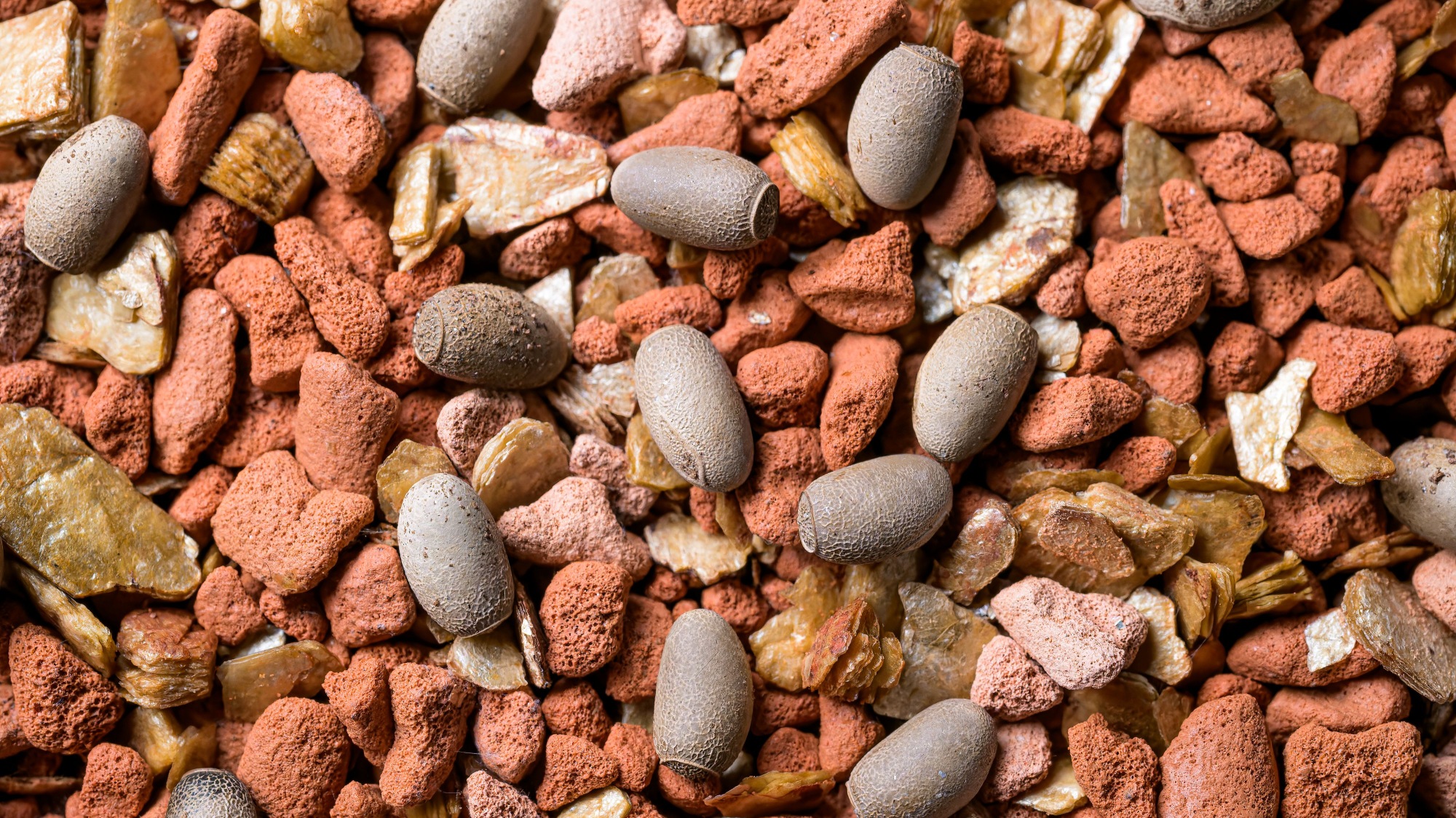
Zoo Praha: Prague Zoo Receives Lord Howe Island Stick Insect Eggs From San Diego
Prague Zoo received a consignment of Lord Howe Island stick insect eggs flown in from San Diego, California, on October 1, 2026, marking the first time new breeding stock has reached Europe in a decade, Zoo Praha reported. The delivery comprises eggs laid in May and June, which require an incubation period of approximately seven months.
-
Key Clinical Takeaways:
- Prague Zoo received a new shipment of Lord Howe Island stick insect eggs from San Diego on October 1, 2026, breaking a ten-year hiatus on importing new breeding stock into Europe.
- The consignment allows researchers to compare parthenogenetic reproduction against sexual reproduction, with scientists noting that sexual reproduction yields larger eggs and potentially larger adult specimens.
- Conservationists plan to return the captive-bred insects to their native Lord Howe Island within the coming year following the apparent success of local rat eradication efforts.
Parthenogenetic Reproduction Shows Higher Hatching Rates than Sexual Reproduction
The newly arrived eggs allow researchers to directly examine developmental variances between two distinct reproductive strategies within the species (Dryococelus australis). According to Vojtěch Víta, a specialist invertebrate keeper at Prague Zoo, hatching rates can reach 80 percent in parthenogenetic reproduction but fall below 60 percent in sexual reproduction.
The facility’s invertebrate specialists aim to determine whether mating between a male and a parthenogenetic female influences overall development. We can already see differences,
Víta stated, noting expectations that sexually produced eggs will yield larger young and ultimately larger adults compared to smaller parthenogenetic individuals. Following sieved processing, the eggs are placed in a substrate mixture of beige vermiculite and brick-red Seramis clay granules.

Invasive Rats Eradicated Tree Lobsters from Lord Howe Island
Referred to commonly as tree lobsters or walking sausages, the large insects vanished from Lord Howe Island—situated approximately 700 kilometers northeast of Sydney—following a 1918 ship grounding that introduced invasive rats to the ecosystem. Within two years, the species was eradicated from its native habitat.
Resurrection of the species began after Australian adventurers discovered a dead specimen on Ball’s Pyramid, a towering sea stack located 20 kilometers off Lord Howe Island, during a 1960s expedition. Living specimens were confirmed on the rock at the turn of the millennium, leading to the collection of four insects in 2003 to establish a captive breeding population. Prague Zoo maintained a population of roughly 200 individuals after receiving 400 eggs from Bristol in 2024, with first-generation Prague Zoo-hatched females reaching adulthood in February 2026.
Prague Zoo Plans to Return Insects to Ancestral Island
Prague Zoo may become a European distribution centre for the species as staff members gather husbandry data and monitor growth. If current breeding milestones continue, the facility may supply Lord Howe Island stick insects to other institutions across Europe.
For the coming year, it is planned to return these insects to their ancestral home island, where they were wiped out more than a century ago,
Víta said. The planned reintroduction follows the apparent success of local rat eradication efforts on Lord Howe Island.
Disclaimer: The information provided in this article is for educational and scientific communication purposes only and does not constitute medical advice. Always consult with a qualified healthcare provider regarding any medical condition, diagnosis, or treatment plan.