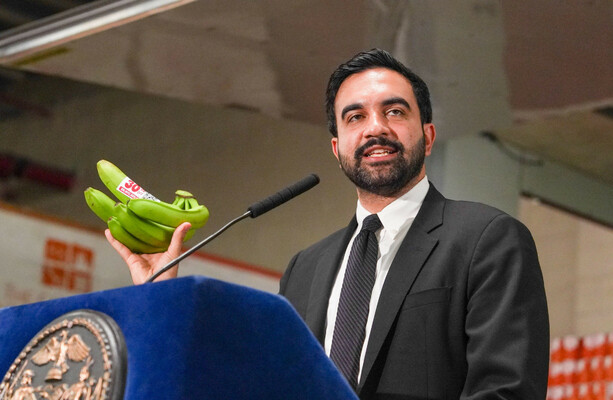
Zohran Mamdani to Launch Five Municipal Grocery Stores in New York
Zohran Mamdani has announced plans to develop five municipal grocery stores in New York, setting off a fresh policy debate over public intervention in local food markets. The proposal aims to address persistent retail food access issues across the city by utilizing government-backed infrastructure.
The Mechanics of New York’s Proposed Municipal Grocery Initiative
The municipal grocery store plan outlined by Zohran Mamdani targets the establishment of five distinct state-owned or city-backed retail food locations in New York. Supporters argue that traditional commercial supermarkets often fail to adequately serve low-income neighborhoods or areas designated as food deserts. By stepping directly into the retail space, the municipal model aims to prioritize community nutrition and stable pricing over private profit margins.
Urban planning and local governance analysts note that operating municipal retail outlets requires navigating complex municipal codes, zoning regulations, and supply chain logistics. Local municipalities attempting direct market interventions must carefully balance operational subsidies against taxpayer expectations. Ensuring long-term fiscal sustainability remains a primary hurdle for public retail models historically tested in various global jurisdictions.
Implementing large-scale civic initiatives of this magnitude typically demands comprehensive logistical oversight. Local municipalities and public agencies often coordinate with municipal real estate counsel to secure proper zoning clearances and navigate acquisition laws.
Economic Pressures and Urban Food Access
Access to affordable, fresh produce remains an acute challenge in multiple New York boroughs. Private supermarket chains frequently cite high operating costs, security concerns, and narrow profit margins as reasons for avoiding certain urban neighborhoods. Proponents of the municipal store model contend that government-backed grocery stores can absorb overhead pressures that typically deter private capital investment.
Critics of state-owned commercial ventures point to potential market distortions and the risk of municipal financial exposure if stores underperform. Market economists frequently emphasize that efficient distribution networks rely heavily on private wholesalers and established supply chains. Direct government operation of retail storefronts introduces unique regulatory challenges that require rigorous oversight from local governing bodies.
Communities organizing around urban development initiatives frequently engage with civic planning organizations to evaluate the viability and neighborhood impact of proposed public facilities.
Evaluating Public Retail Interventions
Publicly funded grocery models are relatively rare in modern American municipal policy, drawing comparisons to historic public markets and contemporary cooperative grocery initiatives. The success of the proposed New York stores will likely depend on site selection, community integration, and transparent financial management by municipal authorities.
As urban centers grapple with food insecurity and rising retail costs, municipal experiments like the one proposed by Zohran Mamdani provide a distinct test case for public intervention in consumer goods markets. Observers across municipal governance and economic sectors continue to monitor how the city will balance public welfare objectives with standard retail economics.
When municipal policy shifts impact local infrastructure and real estate development, stakeholders routinely consult with specialized public policy advisors and municipal legal experts to assess compliance and operational feasibility.
The long-term viability of state-owned supermarkets in New York hinges on sustained political backing and careful fiscal execution. As local authorities move from initial legislative proposals toward concrete site selection, the broader community will watch closely to see whether public markets can successfully reshape urban food distribution.