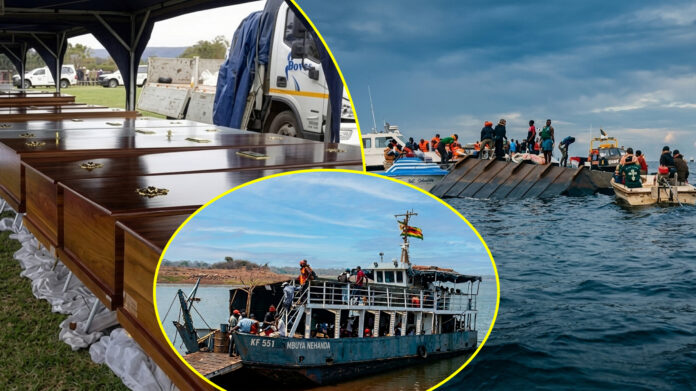
Zimbabwe Lake Kariba Ferry Disaster: Death Toll Rises to 93
The death toll from a ferry disaster on Zimbabwe’s Lake Kariba has reached 93, confirming it as the country’s deadliest transport accident. State-run newspaper The Herald reports that the vessel, which had a capacity for 90 passengers, was carrying at least 168 people when it capsized after being struck by a strong wave.
The Scale of the Disaster and Ongoing Recovery
The search and recovery mission continues as divers locate bodies drifting toward the Zambian border. According to a police statement, the death toll climbed from 44 immediately following the incident to 84 over the weekend, eventually reaching 93 by Tuesday. President Emmerson Mnangagwa has declared a state of disaster, mobilizing resources to handle the recovery effort on one of the world’s largest man-made reservoirs.
Provincial Affairs Minister Marian Chombo noted that 67 people were rescued. However, the identification process has become a major hurdle for authorities. Many victims are being identified only by their clothing or personal effects. “We are running out of time and DNA may now be needed to assist in the identification process,” Chombo stated, as reported by The Herald. Police confirm that 83 victims have been identified, 39 of whom were children.
Infrastructure and Safety Failures
The ferry served as a primary, low-cost transport link for rural communities, including those traveling to Mola village. Survivors describe a vessel overwhelmed by both passengers and cargo, with life jackets rendered inaccessible due to poor stowage. Itayi Marumisa, a trader from Mola, told AFP that passengers had expressed concerns about the rough conditions and the captain’s apparent indifference to the safety of those on board.

The human cost of this negligence is profound. Tight Bhusumani, a local councillor who lost a child in the disaster, described the scene as a tragedy for his community. “We have distressing cases where a child lost both parents and other siblings, leaving them as the only surviving member of the family,” Bhusumani stated.
Comparative Analysis of Regional Maritime Safety
In July 2026, a separate ferry disaster in Guyana resulted in at least 53 deaths, where officials discovered that the vessel involved was 87 years old. In that instance, Guyana’s Public Works Minister, Juan Edghill, emphasized a “zero tolerance” policy after crew members tested positive for cannabis.

While the causes differ, both disasters underscore the risks inherent in under-regulated transport networks.
The Path Forward for Affected Communities
The search continues along the expansive shoreline of Lake Kariba. The lake, which provides vital hydroelectric power to both Zimbabwe and Zambia, remains a critical economic artery. However, the current disaster has halted normal transit, leaving communities isolated and demanding accountability from transport operators.