Zelenskyy in Berlin: First Government Consultations in Over 20 Years
Ukrainian President Volodymyr Selenskyj met German Chancellor Friedrich Merz in Berlin on April 14, 2026, for the first government consultations since 2004. The leaders solidified military aid, including air defense and joint weapon production, while addressing the critical return of refugees and Ukraine’s long-term reconstruction efforts.
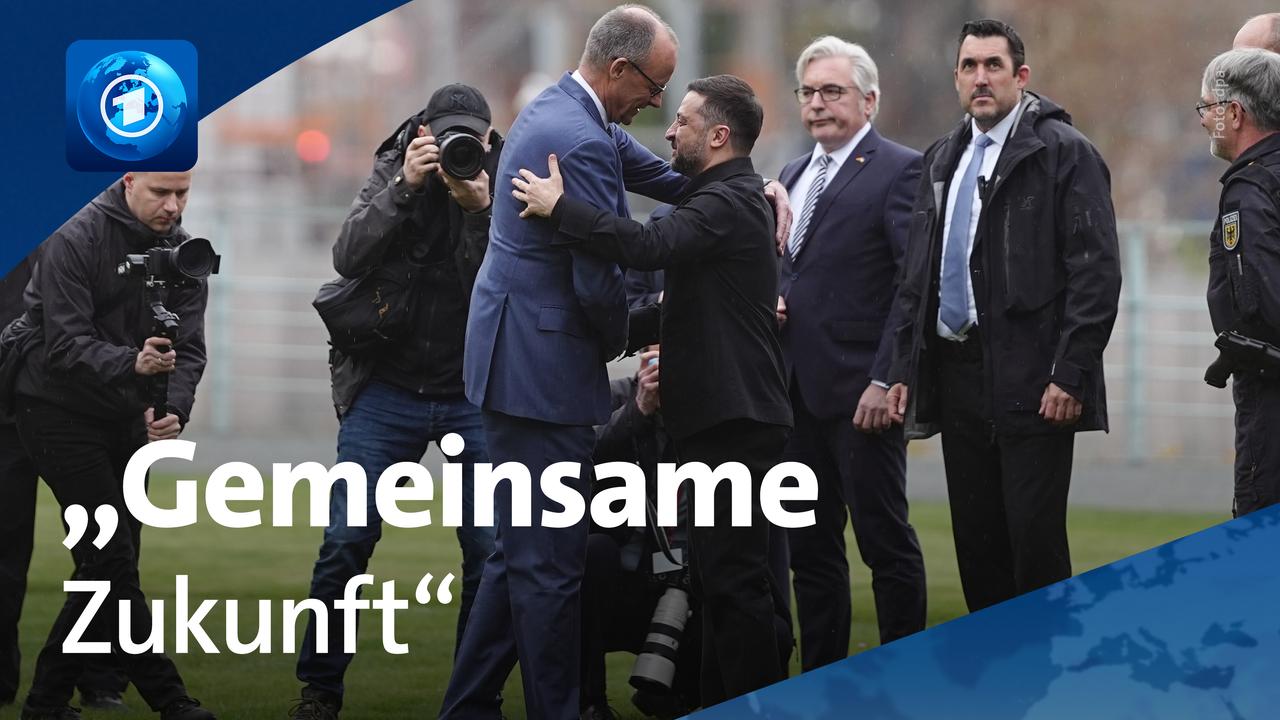
The atmosphere outside the Federal Chancellery was marked by a symbolic embrace between Merz and Selenskyj, but the discussions inside were focused on the cold reality of a protracted conflict. This wasn’t merely a diplomatic courtesy; it was a strategic realignment. For the first time in over two decades, Berlin and Kyiv have synchronized their governmental machinery to move beyond emergency shipments toward a structured, bilateral partnership.
The primary problem facing Kyiv is no longer just the immediate survival of its front lines, but the sustainability of its war machine into 2027. The financial gap is immense. While Germany has provided nearly 100 billion euros since the 2022 invasion, the current bottleneck is the release of a massive billion-euro credit previously blocked by Hungary. Merz has expressed confidence that these funds will now be released rapidly.
Of the 90 billion euros in question, Kyiv intends to funnel 60 billion directly into its military. This investment is designed to ensure combat readiness through 2026 and 2027, effectively bridging the gap between current reserves and future requirements.
The Military Industrial Pivot
The nature of German support is shifting. We are seeing a transition from “donating stockpiles” to “joint production.” Chancellor Merz emphasized that Germany will continue to supply air defense systems, long-range weapons, drones, and artillery ammunition, with a new focus on creating production lines shared by both nations.
This shift is driven by a surprising realization in Berlin: the Ukrainian defense industry has become a global laboratory for innovation. Merz noted that no defense industry has become more innovative than Ukraine’s, and no army is as battle-hardened. By integrating these innovations, Germany aims to strengthen not only Kyiv but the broader European industrial base.

However, this praise for Ukrainian ingenuity has not been universally welcomed. Armin Papperger, the head of Rheinmetall, faced harsh criticism for his views on the Ukrainian weapons industry—critique that even President Selenskyj echoed.
The strategic necessity of this cooperation is underscored by Selenskyj’s broader vision for a common European air defense system. He warned that without a central role for Ukraine in the European security architecture, other European nations risk falling into the Russian sphere of influence.
For businesses looking to enter this emerging joint-production market, the regulatory landscape is shifting rapidly. Many are now engaging international trade consultants to navigate the complex export laws and joint-venture agreements emerging between the EU and Ukraine.
Beyond the Battlefield: Reconstruction and Return
While the headlines focus on drones and credits, a critical “four-eye” conversation between Merz and Selenskyj addressed the human cost of the war. The focus has shifted toward the logistical and legal nightmare of reconstruction and the return of refugees.
Rebuilding a nation requires more than just funds; it requires a massive influx of specialized expertise and legal frameworks to handle property disputes and infrastructure contracts. The sheer scale of the damage means that the process will take decades, necessitating the involvement of vetted international infrastructure developers capable of operating in high-risk zones.
The return of refugees is equally complex. It is not a simple matter of crossing a border; it involves the restoration of housing, the re-establishment of social services, and the resolution of legal statuses acquired in host countries like Germany.
“I am confident that Ukraine will become a central part of the European security system,” stated President Selenskyj, emphasizing that the alternative is a dangerous expansion of Russian influence.
Navigating these legal transitions—especially for those who have spent years in the EU—is a logistical minefield. Families and displaced persons are increasingly relying on immigration and asylum lawyers to manage the intersection of German residency laws and Ukrainian citizenship rights.
Strategic Timelines and Security Commitments
The consultations were not an isolated event but part of a broader diplomatic offensive by Selenskyj, who had previously coordinated with allies in Europe and Canada before meeting with Donald Trump. The Berlin summit serves as a European anchor for Ukraine’s security guarantees.

The following table outlines the current financial and strategic commitments discussed during the Berlin consultations:
| Category | Detail/Amount | Strategic Goal |
|---|---|---|
| Total German Aid (Since 2022) | ~100 Billion Euros | Sustained National Defense |
| Pending Credit Line | 90 Billion Euros | Combat Readiness 2026-2027 |
| Military Allocation | 60 Billion (of 90B) | Army Modernization |
| Hardware Focus | Air Defense, Drones, Artillery | Joint EU-Ukraine Production |
Defense Minister Boris Pistorius and his Ukrainian counterpart, Mychajlo Fedorov, are the architects of the tactical side of this agreement. Their focus remains on the immediate delivery of long-range capabilities to shift the momentum on the ground.
The security of the visit was so paramount that the German government kept the exact timing of Selenskyj’s arrival secret until the last moment, reflecting the ongoing threats associated with the conflict.
The Berlin consultations mark a point of no return. Germany is no longer just a supplier of equipment; it is becoming a co-architect of Ukraine’s future state. The transition from “emergency aid” to “institutional partnership” creates a vacuum of necessitate for professional services—from legal experts handling refugee repatriation to engineers rebuilding cities. As this partnership evolves, the ability to find verified, high-authority professionals will be the difference between a chaotic recovery and a sustainable rebirth. This is why maintaining a connection to a vetted global professional directory is essential for those navigating the fallout of this geopolitical shift.