Zelenskyy Adviser Tells BBC US Warned Ukraine 1 Minute Before Strike
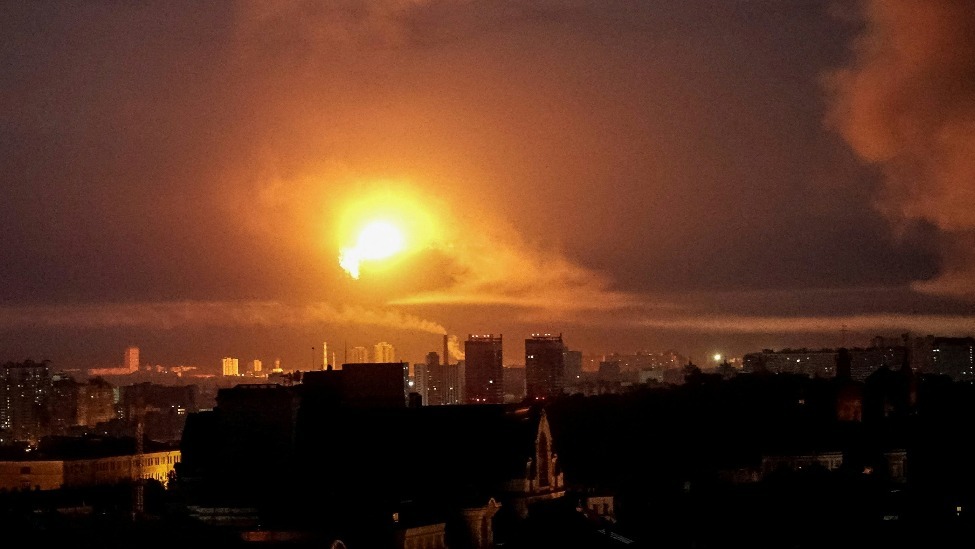
Kyiv received a ballistic missile warning shortly before impact during a Russian strike, according to Serhii Beskrestnov, a defense technology adviser to Volodymyr Zelenskyy, as reported by BBC on October 19.
Delayed Alerts Cost Lives During Ballistic Strikes
Ballistic missile attacks struck Kyiv overnight without timely alerts, leaving residents with almost no time to seek shelter, Zelenskyy wrote on social media. Beskrestnov told the BBC that warnings arriving one minute before an impact are dangerously insufficient and have already cost lives. While speaking to NBC, Zelenskyy acknowledged that intelligence sharing had resumed after a three-day pause, expressing gratitude because only the United States possesses the unique intelligence required to track when Russia launches ballistic missiles. Yet Beskrestnov maintained that American intelligence data remains incomplete, inconsistent, and often arrives too late to clear air raid alerts effectively.
Starshield Speed Caps Limit Drone Interception
The intelligence delivery breakdown coincided with a separate dispute over Starlink internet connectivity restrictions imposed on Ukraine. Ukrainian forces utilize the satellite network to power drones, helicopters, and military communications. Last week, the Starshield service capped the mobile speed of connected terminals at 160 kilometers per hour, limiting interception capabilities against incoming drones and medium-range strikes in Russian-occupied areas. SpaceX owner Elon Musk stated last week that the US government ultimately controls access to the Starshield system, suggesting Washington engineered the limitations. Beskrestnov told the BBC that the simultaneous occurrence of intelligence gaps and Starshield throttling is likely a deliberate pressure tactic by the United States to push Kyiv toward negotiations with Russia. White House officials maintain that intelligence sharing arrangements have undergone no changes, and Trump denied any involvement in the Starshield restrictions while remarking on Monday that the US provides substantial aid without receiving equivalent returns.
Russian Attacks on Cities Increase Civilian Casualties
The timing of these technological and intelligence bottlenecks aligns with a broader escalation in Russian military strategy targeting Ukrainian urban centers. Peter Dickinson told the BBC World Service that Kyiv is now treated as a front-line city, facing severe dangers from continuous missile and drone attacks aimed at civilian infrastructure, schools, and bridges. According to Ukrainian Human Rights Dmytro Lubinets, Russian attacks caused 15,280 civilian casualties between January and August, marking a 55 percent increase compared to the previous year. Professor Phillips O’Brien of the University of St Andrews described the intensified bombardment not as a shift in tactics, but as a deliberate escalation designed to drain Ukrainian morale and paralyze economic activity.
Air Raids Cost Economy Millions per Hour
Air raid alerts routinely force businesses to close, costing the Ukrainian economy roughly $45 million for every hour of downtime, as Economic and Environmental Oleksandr Kravchenko told The Guardian. Dickinson noted that disabling local enterprise directly undermines tax revenues and weapons production necessary for the war effort. Compounding the civilian risk, Ukrainian air defenses face severe shortages of Patriot missile interceptors, while Russian forces deploy new jet-powered drones that fly faster and higher than previous models. Zelenskyy stated that current interception rates for these jet-powered drones hover between 50 and 60 percent, leaving numerous projectiles to penetrate defensive lines each night.
