
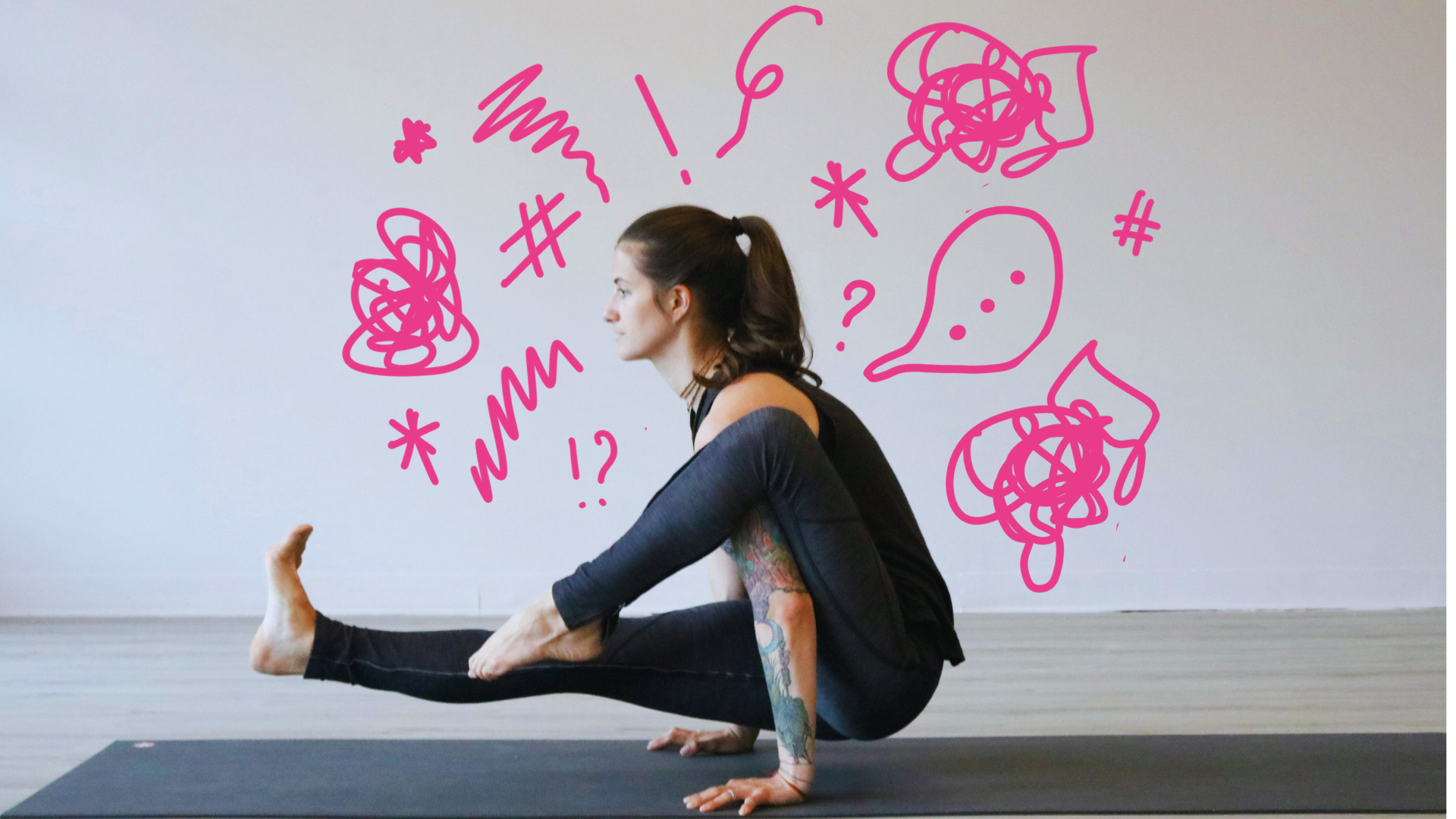
Yoga Isn’t About Being Calm: Embracing All Your Emotions
The cultural archetype of the yoga practitioner often conjures an image of perpetual serenity, a human being seemingly immune to the friction of daily life. This expectation, however, conflicts with fundamental neurobiology. The human nervous system is designed to react to threat and injustice with activation, not stillness. When wellness culture dictates that calm is the only acceptable state, it risks pathologizing necessary emotional responses, turning protective anger into a source of shame rather than a signal for boundary setting.
- Key Clinical Takeaways:
- Forcing parasympathetic dominance (calm) during sympathetic activation (anger) can lead to emotional suppression and increased allostatic load.
- Clinical evidence suggests that acknowledging negative affect is a prerequisite for effective emotional regulation and boundary maintenance.
- Integrative care models now prioritize emotional agility over static tranquility, aligning yoga practices with cognitive behavioral frameworks.
The Neurobiology of Irritation and Boundary Setting
In clinical terms, the sensation often dismissed as “being unhinged” or merely irritated is frequently a manifestation of sympathetic nervous system activation. This physiological state mobilizes the body to address a perceived threat or misalignment. When a patient presents with chronic irritation, the diagnostic focus often shifts toward anxiety disorders or mood dysregulation. However, emerging research in psychoneuroimmunology indicates that suppressing these signals to maintain a facade of tranquility can exacerbate morbidity associated with chronic stress.
The misconception that yoga serves solely as a sedative agent ignores its historical and physiological roots as a tool for homeostasis, not just sedation. According to data from the National Center for Complementary and Integrative Health (NCCIH), mind-body interventions are increasingly studied for their ability to modulate the stress response rather than eliminate it. NCCIH research highlights that effective interventions help patients navigate the full spectrum of human emotion, validating the physiological need for activation when boundaries are crossed.
When an individual suppresses anger to adhere to a “yogi” persona, they may inadvertently inhibit the body’s natural defense mechanisms. This suppression can lead to a phenomenon known as emotional incongruence, where internal experience clashes with external presentation. Over time, this dissonance contributes to psychological distress. A study published in JAMA Psychiatry regarding emotional regulation strategies notes that acceptance-based approaches often yield better long-term mental health outcomes than suppression-based techniques. JAMA Psychiatry findings support the notion that acknowledging negative affect is critical for psychological resilience.
“The clinical goal is not the eradication of negative emotion, but the development of regulatory capacity. We want patients to feel anger without being consumed by it, using that energy to enforce necessary boundaries.” — Dr. Elena Rossi, PhD, Clinical Psychologist and Researcher in Behavioral Medicine.
Clinical Trials and the Measurement of Well-Being
The evolution of how we measure the efficacy of wellness interventions mirrors the shift from seeking “calm” to seeking “function.” In the realm of clinical trial phases, researchers are moving beyond subjective self-reports of relaxation. Modern Phase II and Phase III trials for behavioral interventions now incorporate biomarkers such as cortisol variability and heart rate variability (HRV) to assess autonomic nervous system flexibility. This shift acknowledges that a healthy system is one that can ramp up for protection and ramp down for recovery, rather than one that remains flatlined in a state of forced peace.
For patients struggling with the pressure to remain calm, this distinction is vital. It suggests that the “failure” to feel peaceful during a yoga practice is not a personal deficit but potentially a sign of a healthy, responsive nervous system. The integration of somatic therapies with traditional psychotherapy reflects this understanding. Cognitive Behavioral Therapy (CBT) protocols increasingly incorporate somatic awareness to help patients identify where emotions manifest physically, allowing for a more holistic treatment of conditions like PTSD and generalized anxiety disorder.
However, navigating this landscape requires professional guidance. Self-directed attempts to “process” anger without a framework can sometimes lead to dysregulation. For individuals finding that their emotional volatility interferes with daily functioning or relationships, consulting with board-certified psychiatrists is a critical step. These specialists can differentiate between healthy boundary-setting anger and pathological rage, ensuring that the pursuit of wellness does not mask untreated mental health conditions.
Integrating Movement with Mental Health Care
The siloing of physical practice from mental health treatment is a gap that modern integrative medicine seeks to close. Yoga, when practiced with an understanding of emotional physiology, becomes a form of exposure therapy. It allows the practitioner to sit with discomfort—whether it is the burn of a muscle or the heat of frustration—without immediately reacting. This builds the neural pathways required for distress tolerance.
Yet, the commercialization of wellness often strips this nuance away, selling a product of perpetual peace that is biologically impossible. This marketing creates a barrier to care, where individuals feel they must be “fixed” before they are worthy of healing. The reality is that the work happens in the friction. It happens when the breath catches, when the irritation rises, and when the choice is made to respond skillfully rather than reactively.
Healthcare providers are beginning to recognize the need for a multidisciplinary approach. A patient dealing with chronic stress may benefit from a combination of pharmacotherapy, psychotherapy, and somatic movement. Integrative medicine specialists are trained to coordinate these modalities, ensuring that a yoga practice complements rather than contradicts a clinical treatment plan. This collaboration ensures that the patient is not just striving for a temporary state of calm, but building a robust infrastructure for long-term mental and physical health.
As we move forward, the definition of a successful wellness practice must expand. It must include the capacity for rage, the wisdom of irritation, and the courage to set boundaries. The future of behavioral health lies not in the suppression of the human experience, but in the skilled navigation of it. For those ready to engage with this deeper work, connecting with licensed clinical social workers or trauma-informed yoga therapists can provide the scaffolding needed to transform emotional turbulence into actionable insight.
*Disclaimer: The information provided in this article is for educational and scientific communication purposes only and does not constitute medical advice. Always consult with a qualified healthcare provider regarding any medical condition, diagnosis, or treatment plan.*