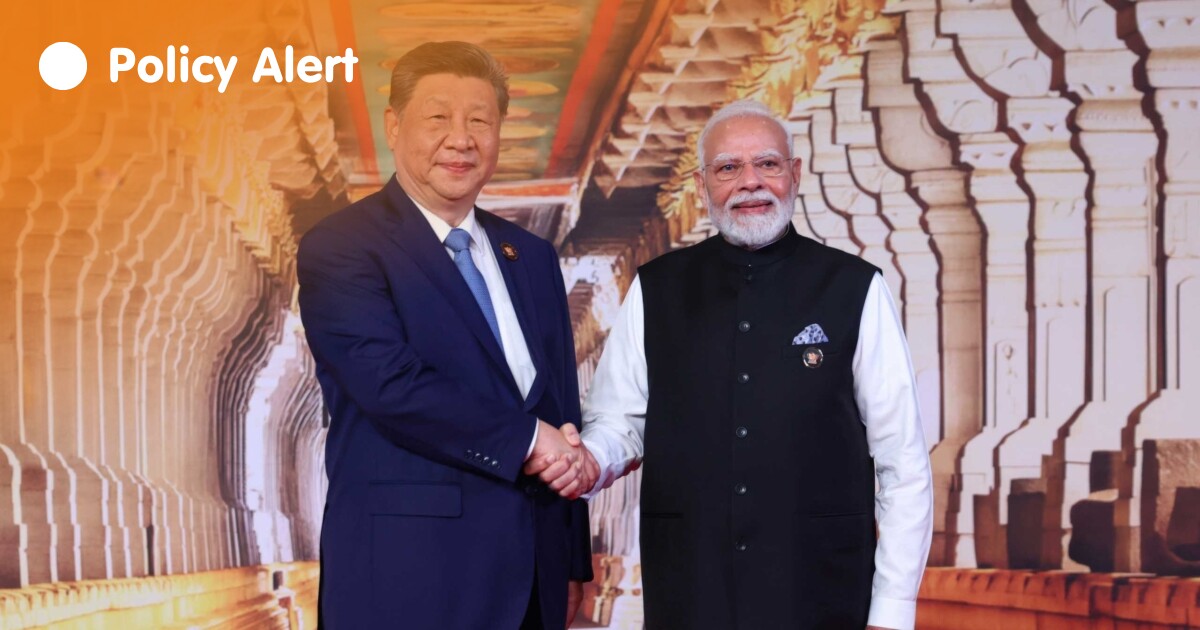
Xi Jinping BRICS Attendance Signals Normalisation in Sino-Indian Relations
Xi Jinping’s attendance at the 18th annual BRICS summit in New Delhi on September 12 highlights a notable normalisation in Sino-Indian diplomatic relations, even as the expanded ten-member bloc navigates deep internal divisions, according to reporting from Foreign Policy.
The Expansion Dilemma and Institutional Growing Pains
When the bloc originally comprising Brazil, Russia, India, China, and South Africa announced a major expansion at the 2023 summit in Johannesburg, Western nations took immediate notice. By 2025, the organization grew to 10 core members, welcoming Egypt, Ethiopia, Indonesia, Iran, and the United Arab Emirates, alongside a secondary tier of 10 partner countries. However, according to Foreign Policy, this rapid growth triggered immediate institutional indigestion. African newcomers Egypt and Ethiopia refused to endorse South Africa for a reformed United Nations Security Council seat despite prior commitments, marking a fracture in long-standing solidarity.
Diplomatic friction intensified further when successive foreign ministers’ meetings failed to issue joint communiqués. For instance, meetings in September 2024 and April 2025 both broke historical precedent by concluding without consensus declarations.
Geopolitical Flashpoints and Security Fractures
Major-power competition severely tested the bloc’s internal cohesion ahead of the New Delhi gathering. In January 2026, South Africa hosted a naval exercise involving China, Iran, and Russia, billing it as a BRICS initiative. While the United Arab Emirates sent a corvette that remained docked, and nations like Brazil, Egypt, Ethiopia, and Indonesia participated only as observers, New Delhi publicly distanced itself. India characterized the drills as an independent South African action rather than an institutionalized BRICS activity, drawing sharp criticism from Washington according to Foreign Policy.
Regional conflicts further disrupted consensus. The outbreak of warfare involving the United States, Israel, Iran, and the UAE in early 2026 broke a fragile stability established the previous year. During subsequent national security advisor meetings, Iran demanded that standard bloc condemnations of terrorism include what Tehran termed “state terrorism” by Washington and Jerusalem. Most member states resisted the inclusion. Consequently, host India bypassed a consensus statement altogether, issuing a chair’s summary instead.
Navigating Compliance Amid Multilateral Strain
The 2026 summit in New Delhi ultimately underscored both the persistent appeal of alternative geopolitical alignments and the stark limits of consensus among an expanded BRICS. Whether the grouping can translate its ambitious agenda of resilience, innovation, and cooperation into concrete ground-level impact remains an open question as member states manage competing national priorities.
