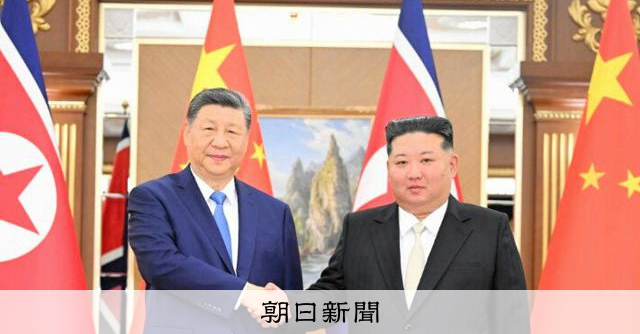
Xi Jinping and Kim Jong Un Meet to Strengthen China-North Korea Ties
Chinese President Xi Jinping arrived in Pyongyang on June 8, 2026, for a two-day state visit to North Korea, marking his first trip to the country in seven years. Xi called for deepening “strategic coordination and cooperation” with leader Kim Jong Un, as Beijing seeks to reassert its influence as Pyongyang’s primary economic and diplomatic partner amid deepening ties between North Korea and Russia.
The Strategic Re-alignment of the Korean Peninsula
The optics of the visit, characterized by a 21-gun salute and massive, choreographed displays in Kim Il Sung Square, signal a calculated effort by Beijing to stabilize its northern border. According to state media reports, the two leaders focused on injecting “powerful momentum” into bilateral relations, specifically targeting cooperation in agriculture, health, infrastructure, and technology.
This diplomatic pivot follows a series of high-profile meetings in Beijing, where Xi hosted both Russian President Vladimir Putin and U.S. President Donald Trump. By engaging directly with Kim, Xi is positioning China as the indispensable broker in Northeast Asian security. For multinational corporations operating in the region, this shift marks a transition from a period of relative dormancy in China-DPRK relations to a more active, state-managed economic integration.
The complexity of these shifting alliances requires a sophisticated approach to risk management. As borders become fluid and regional security dynamics evolve, firms must ensure their operations are insulated from sudden policy reversals. Organizations facing exposure to these volatile trade corridors are increasingly turning to specialized geopolitical risk consultants to map out the potential for supply chain disruptions and regulatory volatility.
Macro-Economic Implications and the Trade Corridor
While the focus remains on “strategic coordination,” the economic implications for regional logistics are significant. China’s willingness to expand cooperation in construction and science suggests a long-term strategy to modernize North Korean infrastructure. This could fundamentally alter the cost-benefit analysis for cross-border trade in the region.

However, the lack of public mention regarding denuclearization during these initial talks is a point of concern for international observers. As Beijing deepens its economic footprint in the North, the compliance environment for foreign investors becomes increasingly fraught. Companies attempting to navigate trade in regions adjacent to the DPRK must be hyper-aware of international sanction regimes.
To remain compliant in an era of tightening export controls and complex geopolitical maneuvering, firms should engage with vetted international trade counsel. These experts provide the necessary due diligence to ensure that cross-border initiatives do not inadvertently trigger multi-jurisdictional legal challenges.
Expert Perspectives on the Beijing-Pyongyang Axis
The visit underscores a reality that many in the West have underestimated: China’s “strategic cooperation” is not merely about security, but about economic control. As one senior policy analyst noted, “Xi’s visit serves as a blunt reminder that Beijing views the Korean Peninsula through the lens of its own regional stability, prioritizing a predictable, if secluded, neighbor over the uncertainties of Western-led denuclearization efforts.”
The contrast between this visit and the recent diplomatic activity involving the U.S. and Russia highlights the “triangular” nature of the current crisis. For those tasked with managing international asset portfolios, the volatility of these diplomatic signals is a primary source of market friction. Identifying stable partners in a climate of shifting state mandates is the primary challenge for the coming fiscal year.
For firms looking to maintain a foothold in Asia while minimizing exposure to the fallout of these high-level summits, professional guidance is essential. Our directory provides access to elite global financial advisory firms capable of stress-testing corporate strategies against the backdrop of these evolving geopolitical alliances.
The Long-Term Chessboard
The 2026 summit in Pyongyang is more than a display of traditional friendship; it is a declaration of intent. By formalizing a new era of cooperation, Xi Jinping has signaled that China intends to maintain its status as the ultimate arbiter of North Korean stability. For the global business community, this means the status quo is changing.

Whether this leads to a formalization of trade zones or a deepening of regional security dependencies, the repercussions will be felt throughout the global supply chain. Leaders who fail to account for the tightening nexus between Beijing and Pyongyang risk being blindsided by the next phase of regional integration. Navigating this new reality requires more than just local knowledge; it requires the high-level intelligence and legal infrastructure provided by the experts in our comprehensive international services directory.