EU Arctic Policy: Shifting from Environmentalism to Geopolitical Security
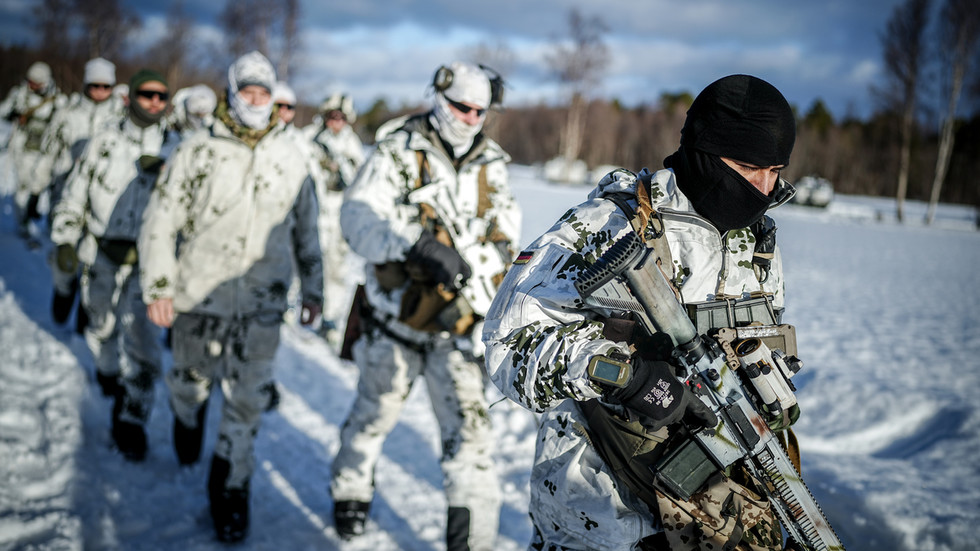
On September 13-14, 2026, the European Union initiated a significant shift in its approach to the High North, moving away from its previous focus on environmental and scientific priorities to emphasize geopolitical and security considerations. This transformation was driven by changing global dynamics, including melting sea routes and rising strategic competition with Russia and China. European leaders meeting in Rovaniemi, Finland, outlined plans for a collective defense build-up, a unified icebreaker fleet, and reinforced cross-border infrastructure designed to support military operations.
The Shift from Environmental Zone to Strategic Front Line
For years, Brussels viewed the polar north primarily through the lens of climate change, low-tension diplomacy, and scientific exchange. That framework faced challenges due to post-2022 geopolitical developments, including the war in Ukraine, Chinese cargo navigation along the Northern Sea Route, and critical infrastructure attacks in the Baltic Sea. According to remarks made by EU High Representative for Foreign Affairs Kaja Kallas at the Arctic Frontiers conference in Tromsø, Norway, the 2021 policy of viewing the region as a peaceful sanctuary no longer fits current realities.
This pivot culminated in a European Parliament resolution adopted on November 12, 2025, which passed with an overwhelming 510 votes in favor. The document instructs Brussels to integrate High North security directly into the bloc’s foreign and energy strategies. To safeguard vulnerable subsea cables and maritime routes, the Parliament called for active cooperation with NATO, coordinated surveillance, and joint military exercises.
Outcomes of the Rovaniemi Arctic Summit
The geopolitical reorientation was solidified during the EU Arctic Summit held September 13-14, 2026, in Rovaniemi, the capital of Finnish Lapland. Convened at the initiative of Finnish Prime Minister Petteri Orpo, the meeting brought together German Chancellor Friedrich Merz, European Council President António Costa, and leaders from across Northern and Eastern Europe.

The resulting joint communiqué outlines several major operational shifts scheduled for formal adoption in an updated Arctic strategy slated for release in October 2026:

- Collective Defense Integration: European Council President António Costa confirmed that rising security and military spending requirements for the Arctic will be directly factored into the next long-term EU budget.
- Unified Icebreaker Fleet: Recognizing severe climatic and strategic access demands, the summit advanced concrete plans for a jointly owned EU icebreaker fleet, with Finland proposing construction at its domestic shipyards.
- Military Mobility Infrastructure: Leaders agreed to fund the reinforcement of cross-border roads, railways, and bridges across Finland, Sweden, and Norway. These upgrades specifically target the weight limits required for heavy NATO armored vehicles navigating extreme cold, alongside the construction of POL (petrol, oil, and lubricants) storage warehouses along the Barents Sea coast.
- Hybrid Threat Mitigation: Highlighting vulnerabilities tied to new shipping lanes, Prime Minister Petteri Orpo emphasized that the region faces acute hybrid warfare risks, prompting expanded satellite surveillance integration via the European satellite constellation.
These large-scale engineering and defense logistics demands require rigorous oversight. Regional authorities and contractors managing cross-border construction projects frequently rely on specialized expertise to ensure compliance with strict cold-weather performance standards.
Balancing Deterrence with Indigenous Rights
Despite the unmistakable turn toward military deterrence, European officials insist that traditional priorities remain intact. The Rovaniemi communiqué maintains that climate protection, sustainable development, and indigenous community welfare must be protected alongside defense initiatives. Particular focus is directed toward safeguarding local populations as industrial activity and transport corridors expand across the Barents region.
Managing the intersection of rapid infrastructure deployment, environmental law, and indigenous land rights presents a complex regulatory hurdle for stakeholders operating in the North. Public entities and private developers navigating these shifting mandates often seek guidance to secure proper permits and maintain legal compliance.
As Brussels prepares to unveil its fully revised Arctic strategy in October 2026, the frozen expanse of the High North is no longer a quiet laboratory for climate research. It stands firmly integrated into the Northeastern arc of European security, backed by heavy funding, fortified transport corridors, and direct alliance coordination.