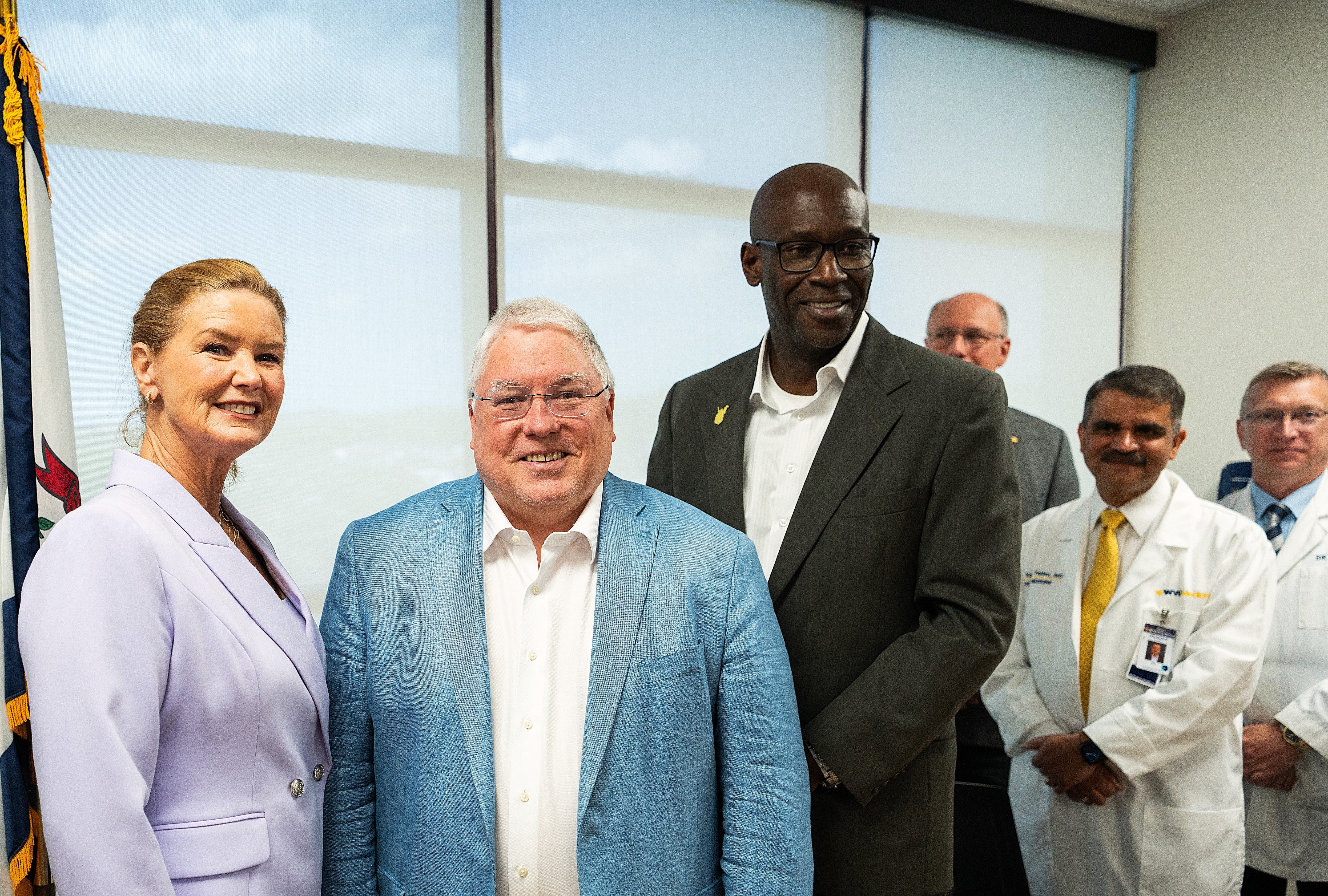
WV Morrisey Awards $4M to Minnie Hamilton Health Care
Governor Patrick Morrisey announced more than $4 million in West Virginia Rural Health Transformation Program awards today, directing funds to Minnie Hamilton Health Care Center to deploy mobile medical units, autonomous delivery drones, and artificial intelligence documentation tools across central West Virginia.
Key Clinical Takeaways:
- Minnie Hamilton Health Care Center received over $4 million through the West Virginia Rural Health Transformation Program to expand regional care access.
- A $1.7 million allocation funds a mobile medical clinic delivering primary care, chronic disease management, and telehealth consultations directly to rural communities.
- Additional investments deploy autonomous drone delivery for time-critical medical supplies and artificial intelligence tools designed to reduce clinician documentation time by up to 70 percent.
The funding aims to address structural barriers in isolated regions where patients traditionally travel long distances for specialized medical evaluation. According to Governor Morrisey, the initiative centers on building healthcare delivery around individuals rather than fixed facilities. The state-level program operates under financial assistance from the Centers for Medicare and Medicaid Services of the U.S. Department of Health and Human Services, part of a broader federal funding allocation totaling $199,476,098.72.
Mobile Medical Fleet Deployment Under the Connected Care Grid
$1.7 million through the state’s Connected Care Grid initiative targets the logistical hurdles of rural medicine by dispatching fully equipped mobile medical units. These vehicles bridge primary care gaps by offering comprehensive services on location, including chronic disease monitoring, behavioral health support, wound care, diagnostic testing, and telehealth specialty consultations.
Secretary of Health Dr. Arvin Singh noted that bringing care directly to patients removes fundamental obstacles to early preventive intervention and longitudinal disease management. By embedding care coordination teams within the mobile deployment, the project seeks to maintain continuous follow-up for patients managing complex conditions such as type 2 diabetes, hypertension, and chronic obstructive pulmonary disease.
Shared-Service Collaborative and Autonomous Drone Delivery
Beyond mobile clinics, the Minnie Hamilton Health Care Center initiative establishes a bi-regional shared-service collaborative intended to modernize emergency response frameworks across four rural counties. The project integrates autonomous drone delivery systems to transport time-critical medical supplies, blood products, and laboratory specimens across challenging terrain.
This automated logistics network replaces fragmented courier services with a unified reimbursable service line. By shortening transit times for diagnostic specimens and acute medical provisions, the collaborative addresses acute vulnerabilities in rural emergency medical infrastructure and supports long-term operational sustainability for regional providers.
Artificial Intelligence Integration in Clinical Documentation
To combat clinician burnout and expand daily patient capacity, a third component of the funding package implements artificial intelligence-supported clinical documentation technology.
CMS Administrator Dr. Mehmet Oz stated that these technological integrations equip states like West Virginia with the resources necessary to secure lasting improvements in rural health delivery. The administrative efficiency gained through automated documentation potentially allows individual clinicians to accommodate one to two additional patients per day while simultaneously enhancing documentation precision and cross-specialty care coordination.
Disclaimer: The information provided in this article is for educational and scientific communication purposes only and does not constitute medical advice. Always consult with a qualified healthcare provider regarding any medical condition, diagnosis, or treatment plan.