
West Virginia’s Rare Earth Metal Recovery Cleans Up Coal Mine Pollution
economy and environment.">
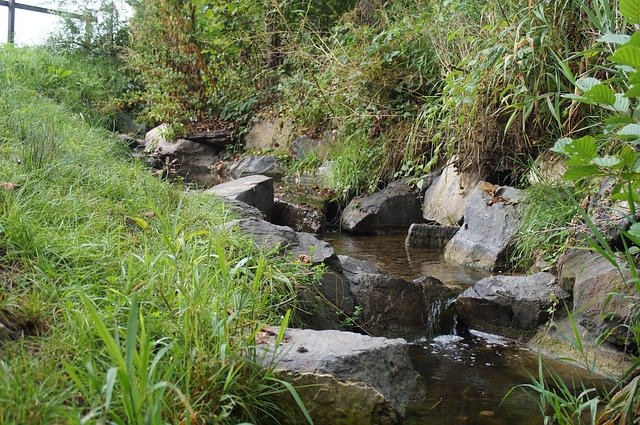
Once-devastated streams in West Virginia are experiencing a rebirth,thanks to community-driven initiatives targeting coal mine pollution. These efforts are not only revitalizing aquatic ecosystems but also yielding valuable rare earth metals, essential for modern technologies.
Turning pollution into Profit: Rare Earth Metal Extraction
Decades of coal mining have left a legacy of acidic, metal-contaminated waterways across West Virginia. However, innovative solutions are emerging. nonprofit organizations are implementing low-tech treatment systems using limestone and constructed wetlands to neutralize acidity and trap harmful metals like iron and aluminum. Simultaneously, a state-operated facility at the Richard Mine is pioneering high-tech methods to purify polluted water and extract rare earth elements critical for clean energy and defense applications.
Did You Know? Rare earth elements naturally dissolve in acidic mine runoff, making them more cost-effective to extract compared to traditional ore mining.
The Science Behind the Revival
Acid mine drainage, a persistent environmental challenge in Appalachia, arises when pyrite reacts with air and water, generating sulfuric acid and dissolving toxic metals into waterways. This pollution poses a threat to both ecological health and drinking water sources. The same process,however,concentrates rare earth elements,presenting an possibility to transform an environmental liability into an economic asset.
The New River Conservancy notes that coal’s role in the energy sector is diminishing, making these alternative economic avenues increasingly vital.
Economic and Environmental Benefits
The recovery of rare earth metals holds the potential to finance future cleanup projects, given their high market value. Furthermore, the revitalization of waterways is stimulating local economies through increased outdoor recreation and tourism, sectors that now provide more jobs than coal mining in West Virginia.
Pro Tip: Supporting local businesses that prioritize environmental sustainability can further amplify the positive impact of these cleanup initiatives.
| Benefit | description |
|---|---|
| Environmental Remediation | Reduces acidity and removes heavy metals from polluted streams. |
| Economic Diversification | Creates new jobs in rare earth extraction, tourism, and recreation. |
| Resource Recovery | Provides a domestic source of critical materials for clean energy and defense. |
looking ahead
As global supply chains face increasing pressure, tapping into unconventional resources like acid mine drainage could prove economically and environmentally significant, notably for communities historically burdened by extractive industries. This innovative approach offers a pathway towards a more sustainable and prosperous future for West Virginia and similar regions.
What other innovative solutions can be applied to address environmental challenges in former mining regions? How can communities ensure that these new industries prioritize environmental protection and community well-being?
Evergreen Insights: The Enduring Impact of Coal Mining and the Rise of Rare Earth Metals
The story of West Virginia’s rare earth metal recovery is deeply intertwined with the history of coal mining in the Appalachian region. For generations,coal has been a cornerstone of the local economy,providing jobs and powering the nation. Though, this reliance on coal has come at a significant environmental cost, leaving behind a legacy of polluted waterways and degraded landscapes.
The emergence of rare earth metal recovery represents a potential turning point. By transforming a waste product into a valuable resource, these initiatives offer a way to address the environmental damage caused by coal mining while simultaneously creating new economic opportunities. this shift reflects a broader trend towards sustainable advancement and resource recovery, as communities seek to balance economic growth with environmental stewardship.
Frequently Asked Questions About Rare Earth Metal Recovery
- How are rare earth metals being recovered from west Virginia coal mines?
- Rare earth metals are extracted from acidic mine runoff using both low-tech methods like limestone treatments and high-tech facilities that can isolate and recover these valuable elements.
- What is acid mine drainage, and why is it a problem?
- Acid mine drainage occurs when pyrite exposed during coal mining reacts with air and water, creating sulfuric acid that dissolves heavy metals. This contaminates water sources and harms aquatic life.
- Why are rare earth elements critically important?
- Rare earth elements are crucial components in various technologies, including solar panels, electric vehicles, military equipment, and other clean energy applications.
- How does rare earth metal recovery benefit West Virginia’s economy?
- The recovery of rare earth metals creates new economic opportunities, funding cleanup efforts and boosting local economies through outdoor recreation and tourism, which now support more jobs than coal mining in the state.
- What are the long-term implications of rare earth metal recovery from mine drainage?
- Recovering rare earth metals from mine drainage offers a sustainable solution to environmental pollution while providing a domestic source of critical materials, reducing reliance on strained global supply chains.
- Are there environmental benefits to extracting rare earth metals from coal mine drainage?
- Yes, extracting rare earth metals from coal mine drainage helps to clean up polluted waterways, reducing acidity and removing toxic metals, which improves water quality and supports aquatic ecosystems.
Share this story and join the conversation! What are your thoughts on turning environmental liabilities into economic opportunities?
