
Pando: the World’s Largest Living Organism Is Disappearing
Table of Contents
world's largest single organism. But this ancient wonder is threatened by deer,disease,and climate change.">
Deep within Utah’s Wasatch Mountains, a single, colossal organism is facing an uncertain future. Known as Pando, Latin for “I spread,” this 106-acre stand of quaking aspen clones is, by mass, the largest single living thing on Earth, weighing approximately 6,000 metric tons.Though, this ancient and vital ecosystem is now threatened by a combination of factors, including overgrazing, disease, and the escalating impacts of climate change.
the Astonishing Scale of Pando
Pando isn’t just a forest; it’s a single genetic individual. What appears to be a woodland of individual trees, with their characteristic white bark and fluttering leaves, are actually over 47,000 genetically identical stems all connected by a vast, shared root system. Most clonal aspen stands average only 3 acres, making Pando a true giant among its kind.
Scientists estimate that Pando has existed for thousands of years, possibly up to 14,000, providing a stable habitat for a diverse array of plant and animal species. A US Forest Service protection helps prevent logging, but other dangers persist.
Did You Know? …
The name “quaking aspen” comes from the way the tree’s flat leaf stems cause the leaves to tremble or “quake” in even the slightest breeze.
threats to Pando’s Survival
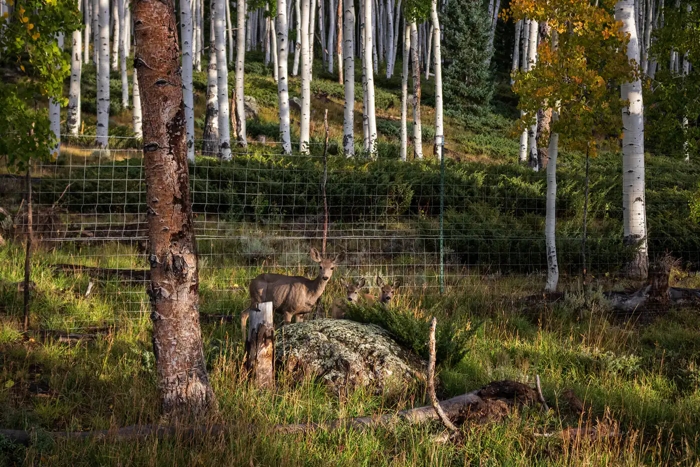
One of the most immediate threats to Pando is overgrazing by deer and elk. The absence of natural predators, such as wolves and cougars, has led to an increase in herd sizes. These animals congregate within Pando’s protected boundaries, where they are less likely to be hunted. The deer and elk consume the young shoots, preventing new stems from maturing and replacing older, dying trees. This lack of regeneration is notably evident in areas that have not been fenced off.
Older stems are also succumbing to diseases, including sooty bark canker, leaf spot, and conk fungal disease. While these diseases have long been present in aspen stands, their long-term impact on pando is amplified by the lack of new growth and the increasing pressures from other environmental stressors.
| Characteristic | Description |
|---|---|
| Size | 106 acres |
| Estimated Weight | 6,000 metric tons |
| Number of Stems | Approximately 47,000 |
| potential Age | Up to 14,000 years |
The Impact of Climate Change
Perhaps the most significant long-term threat to Pando is climate change. The aspen clone thrived after the last ice age, benefiting from a relatively stable climate. However, the rapid changes in temperature and precipitation patterns are now posing a serious challenge. Aspen stands are struggling with reduced water availability and warmer temperatures, which disrupt their ability to produce new leaves. A 2023 study published in Science found that rising temperatures are substantially impacting aspen regeneration rates across the western United States.
The alpine region where Pando resides, surrounded by desert, is particularly vulnerable to these changes. With increasing competition for dwindling water resources and the threat of more intense wildfires, Pando faces an uphill battle to maintain its size and health.
Conservation Efforts and hope for the Future
Despite the challenges, there is reason for optimism. scientists, conservation groups, and the US Forest Service are working together to protect Pando. Fencing off areas to exclude deer and elk has proven accomplished in promoting new growth. Organizations like Friends of Pando are raising awareness and promoting research to better understand and protect this unique ecosystem.
Pando has demonstrated resilience throughout its long history, surviving past environmental changes, including the arrival of European settlers and the rise of recreational activities. With continued conservation efforts and a deeper understanding of its ecological needs,there is hope that Pando will continue to thrive for generations to come.
What role should tourism play in the preservation of Pando?
How can individuals contribute to the conservation of unique ecosystems like Pando?
Pando: An Evergreen Perspective
Quaking aspens are known for their ability to reproduce through both seeds and clonal shoots. clonal reproduction allows them to quickly colonize areas after disturbances like fire. Pando’s immense size suggests it has persisted through numerous environmental changes over millennia. The study of Pando provides valuable insights into the long-term resilience of ecosystems and the importance of conservation efforts in the face of global change.
Frequently Asked Questions About pando
- What is the best time of year to visit Pando?
- fall is a popular time to visit Pando, as the aspen leaves turn a vibrant golden colour.
- Are there any hiking trails near Pando?
- Yes, there are several hiking trails in the Fish Lake National Forest that offer views of Pando and the surrounding area.
- How can I support the conservation of pando?
- You can support Pando by donating to organizations like Friends of Pando or by advocating for policies that protect aspen ecosystems.
Disclaimer: This article provides general information about Pando and its conservation. It does not constitute professional advice.
Share this article and join the discussion! What steps do you think are most crucial for ensuring Pando’s survival? Subscribe to our newsletter for more stories about the world’s natural wonders.
