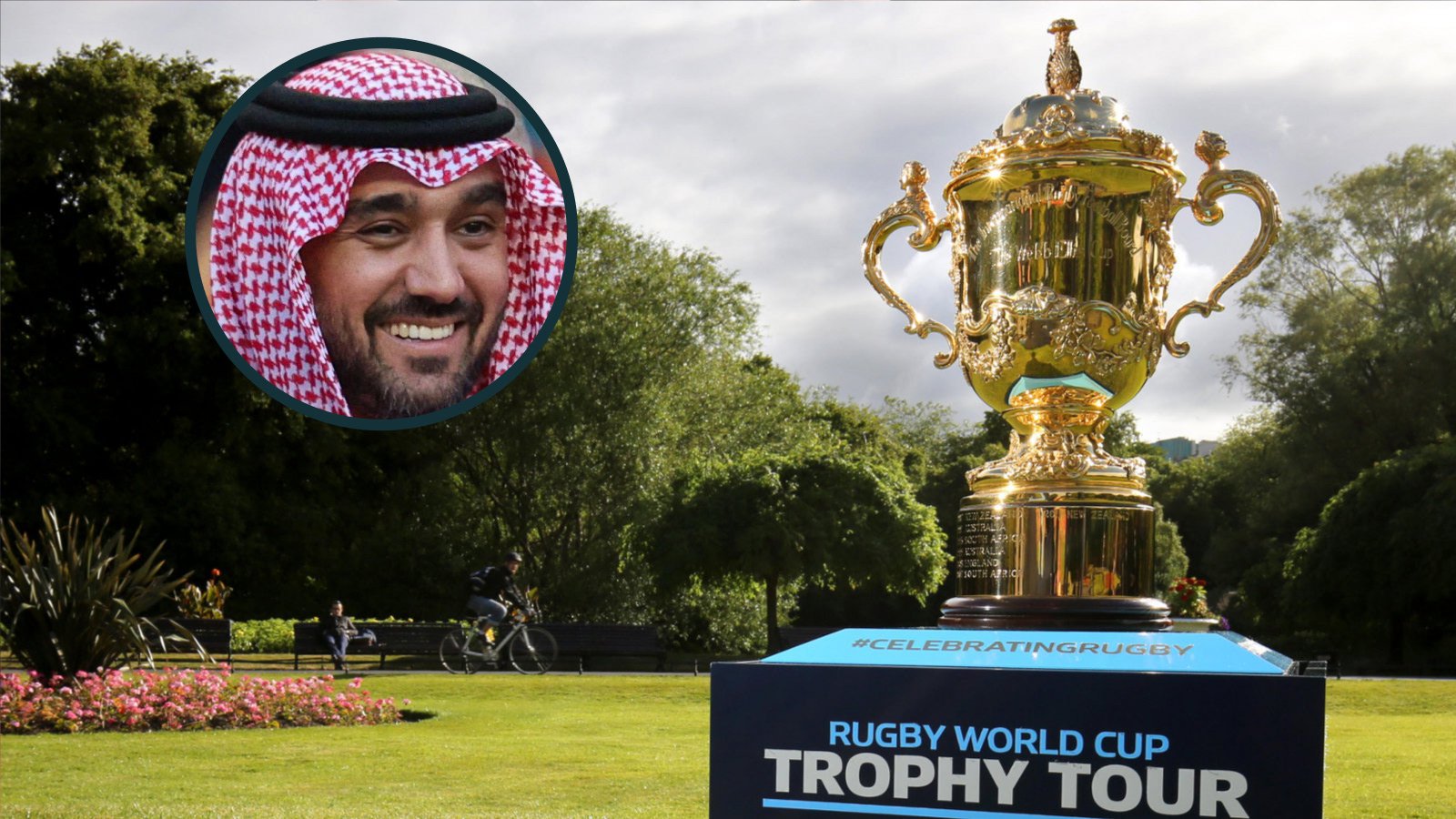
World Rugby Opens Bidding for 2035 World Cup
As Saudi Arabia intensifies its bid to host the 2035 Rugby World Cup, leveraging Vision 2030’s sports diversification goals amid a crowded field including Argentina, Japan, and Spain, the kingdom faces a pivotal infrastructure and legitimacy test that could redefine rugby’s global footprint—if it can overcome skepticism about its rugby culture depth and deliver a tournament that drives measurable local economic uplift in hospitality, youth participation, and regional broadcast value.
The Infrastructure Gambit: Can Neom’s $500B Vision Translate to Rugby-Ready Legacies?
World Rugby opened the 2035 bidding process in October 2025, with Saudi Arabia positioning itself not just as a financial backer but as a long-term architect of rugby infrastructure across the Middle East. Central to its pitch is the proposed NEOM Rugby Stadium—a 45,000-seat, climate-controlled venue designed to World Rugby’s Tier 1 standards, integrated with adjacent high-performance training centers and a planned academy pipeline targeting 10,000 youth players by 2034. Unlike one-off event bids, KSA’s strategy mirrors Qatar’s 2022 FIFA World Cup approach: using the tournament as a catalyst for permanent sports ecosystem development. However, unlike football, rugby’s global participation remains heavily concentrated in traditional Tier 1 nations, with World Rugby’s 2023 participation report showing only 1,200 registered players in Saudi Arabia—less than 0.1% of England’s base. This gap raises legitimate concerns about sustainable legacy, a factor World Rugby’s bidding guidelines now weight at 30% of the evaluation scorecard.
Local Economic Anchoring: Beyond Stadium Concrete to Measurable Hospitality Uplift
If awarded, the 2035 Rugby World Cup would inject an estimated $2.1 billion into Saudi Arabia’s economy, according to a KPMG sports economics model adjusted for regional purchasing power parity—a figure driven not just by match-day spending but by projected increases in sports tourism, premium hospitality contracts, and regional broadcast rights redistribution. Host cities like Jeddah and NEOM would see direct stimulus in hotel occupancy rates (forecast to rise 22% during tournament windows), F&B revenue spikes in fan zones, and increased demand for specialized services such as sports medicine logistics and event staffing. Crucially, the bid includes a commitment to allocate 15% of World Rugby’s hosting fee to grassroots development—a mechanism intended to address the participation gap. For local businesses, this creates immediate B2B opportunities: stadium contractors are already sourcing regional event security and premium hospitality vendors capable of managing VIP zones and international media hubs, while hospitality schools in Riyadh are fast-tracking certifications in sports event management to meet anticipated demand.
The Participation Paradox: Bridging the Gap Between Investment and Organic Growth
Saudi Arabia’s challenge isn’t merely building stadiums—it’s cultivating a rugby culture where none currently exists at scale. World Rugby’s own data shows that nations investing heavily in infrastructure without parallel grassroots integration see post-tournament participation drop-offs exceeding 60% within three years—a phenomenon observed after the 2011 Rugby World Cup in Fresh Zealand, where legacy programs failed to retain youth engagement outside traditional strongholds. To counter this, KSA’s bid includes a “Rugby in Schools” pilot launching in 150 public institutions by 2027, targeting co-ed participation and aligning with the Ministry of Education’s physical literacy framework. Yet, as
“You can’t import a sport’s soul through concrete alone,”
noted Darren Simpson, Head of Rugby Development at Aspetar (Qatar), in a recent World Rugby growth summit. Simpson, who advised Qatar’s post-2022 sports legacy transition, emphasized that sustainable growth requires “decade-long coach education pathways and club governance models adapted to local contexts—not just elite facilities.” This insight is critical for Saudi Arabia, where current coaching certification levels remain rudimentary, with fewer than 50 World Rugby Level 2-certified coaches nationwide.
Medical Infrastructure: The Unsung Arbiter of Tournament Viability
Beyond optics, World Rugby’s Hosting Agreement mandates Tier 1 medical standards at all venues—including immediate access to Level 1 trauma centers, HIA-compliant concussion protocols, and on-site MRI capability. For a tournament spanning multiple cities, this places immense pressure on local healthcare systems. Saudi Arabia is addressing this through planned upgrades to King Fahd Medical City in Jeddah and the NEOM Health Tower, both slated to integrate sports-specific rehabilitation units by 2030. However, as Dr. Layla Hassan, Chief Sports Physiotherapist at local orthopedic specialists and rehab centers in Dammam warned in a Aspetar-hosted panel:
“Hosting a Rugby World Cup isn’t just about having scanners—it’s about having the trained personnel to interpret complex biomechanical data under tournament pressure. You necessitate sports-specific neurologists, physiotherapists versed in rugby’s unique collision patterns, and rehab protocols that account for the sport’s 30+ minute average contact time per player—none of which exist at scale in the Kingdom today.”
This gap represents both a risk and a directory-tier opportunity: sports medicine clinics specializing in rugby-specific injury prevention (e.g., cervical spine loading monitoring, tackle technique refinement) are poised for rapid scaling if the bid succeeds.
Broadcast Economics and the Middle East Timezone Advantage
One undeniable asset in Saudi Arabia’s favor is its geographic position. A 2035 Rugby World Cup hosted in KSA would offer prime-time broadcasts for European audiences (GMT+3 aligns with 2–5 PM UK kickoffs) and favorable windows for North American late-night slots—a strategic advantage over bids from Argentina or Japan, where timezone misalignment risks diluting live audience value. Media rights revenue, which accounted for 42% of World Rugby’s £203M 2023 turnover, could see renewed growth if the tournament delivers strong digital engagement in underpenetrated markets. The bid includes a commitment to partner with International Olympic and Sports Federations (IOFS) on a MENA-focused digital streaming hub, targeting 50M+ unique viewers via localized Arabic and French-language feeds—a move that could reshape rugby’s commercial architecture in the Global South.
The Saudi 2035 Rugby World Cup bid is less a sports hosting play and more a geopolitical infrastructure gambit—one that could either accelerate rugby’s globalization or become a cautionary tale of misaligned investment. For local stakeholders, the path forward demands rigor: contract lawyers versed in international sports law will be essential to navigate World Rugby’s Hosting Agreement clauses on legacy accountability and revenue sharing, while youth program directors must partner with vetted local orthopedic specialists and rehab centers to ensure safety standards scale with participation. As the bidding process enters its final evaluation phase, the true metric of success won’t be stadium completion dates—it’ll be whether, a decade from now, a child in Jeddah picks up a rugby ball not because of a tournament, but because the game now belongs to them.
*Disclaimer: The insights provided in this article are for informational and entertainment purposes only and do not constitute medical advice or sports betting recommendations.*