
World Bank approves $2B loan for Istanbul north rail project
The World Bank finalized a $2 billion loan on March 31, 2026, funding the Istanbul North Rail Crossing. This project connects Asia and Europe via a new 126-kilometer line, aiming to resolve chronic congestion and boost transcontinental logistics capacity significantly.
This approval is not just a financial transaction. It is a geopolitical pivot.
For decades, Istanbul has struggled under the weight of its own success. The city straddles two continents, acting as a natural choke point for global trade. Now, the International Bank for Reconstruction and Development has greenlit the largest foreign-financed railway project in the nation’s history. The goal is clear: bypass the bottlenecks.
The Financing Architecture
Money talks, but coordinated capital shouts. The World Bank’s $2 billion contribution is merely the anchor. It triggers a broader coalition of six Multilateral Development Banks. Together, they are deploying $6.75 billion to ensure the Istanbul North Rail Crossing Project (INRAIL) moves from blueprint to bedrock.

This consortium approach mitigates risk. It signals to private investors that the project is stable. In an economic climate where currency fluctuation remains a concern for emerging markets, this multi-lateral backing provides a shield against volatility.
| Financial Institution | Role in Consortium | Strategic Focus |
|---|---|---|
| World Bank | Lead Lender | Infrastructure Development |
| Asian Infrastructure Investment Bank | Co-Financier | Regional Connectivity |
| European Bank for Reconstruction and Development | Co-Financier | Sustainable Transport |
| Islamic Development Bank | Co-Financier | Economic Integration |
| Asian Development Bank | Co-Financier | Trade Facilitation |
| OPEC Fund | Co-Financier | Development Aid |
The sheer scale of this funding package demands rigorous oversight. Local businesses and landowners along the 126-kilometer corridor must navigate complex zoning laws and acquisition notices. Property holders in districts like Çatalca and Çayırova should immediately consult vetted real estate attorneys to understand their rights regarding eminent domain and compensation structures.
Rerouting the Global Supply Chain
Why does a rail line in Istanbul matter to a logistics manager in Berlin or Beijing? Due to the fact that the Middle Corridor is opening.
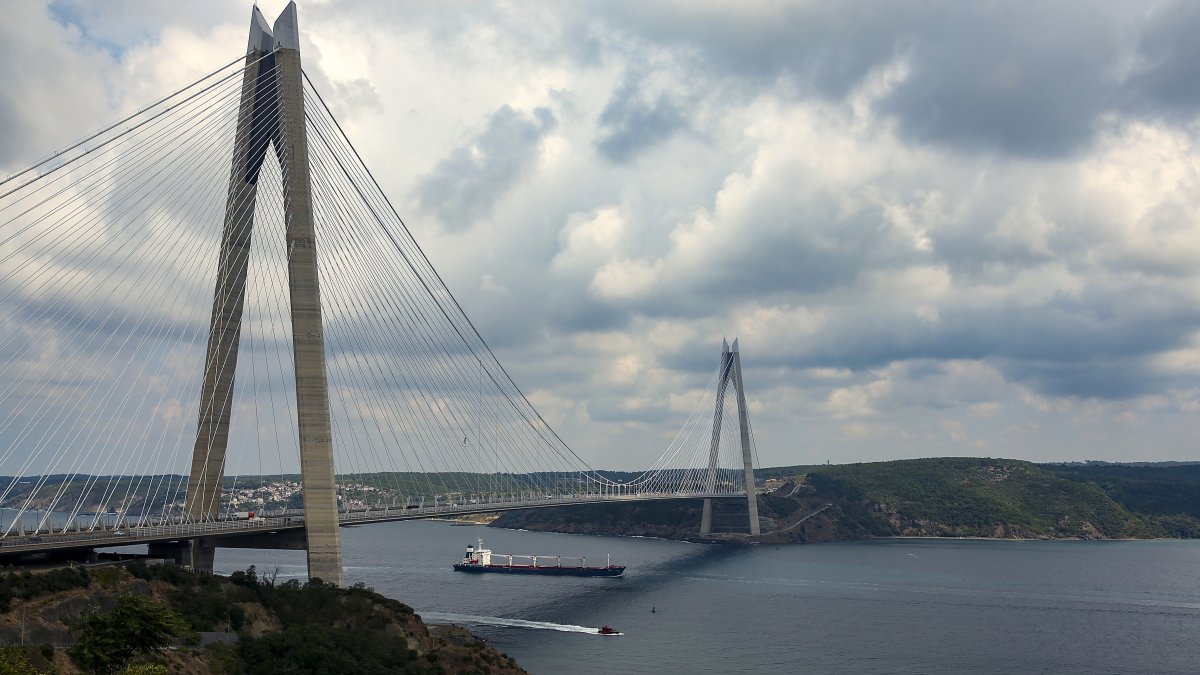
Traditional trade routes facing north through Russia are increasingly unstable. Shippers demand alternatives. This rail line creates a high-capacity freight artery that links the Gebze industrial zone directly to the European side via the Yavuz Sultan Selim Bridge. It bypasses the city center entirely.
Transport Minister Abdulkadir Uraloğlu projects an annual capacity of 30 million tonnes of freight. That is not incremental growth. That is a transformation of throughput.
However, capacity means nothing without efficiency. Companies looking to capitalize on this new logistics network must audit their current supply chains. Integrating with this new rail infrastructure requires specialized knowledge. Forward-thinking corporations are already engaging supply chain consultants to model how this route reduces transit times and carbon footprints.
The line connects two major airports. For the first time, Istanbul Airport and Sabiha Gökçen Airport will share a direct rail link. This intermodal connectivity is rare globally. It allows cargo to move from air to rail without touching congested highways.
Urban Impact and Environmental Concerns
Progress often comes with noise.
The project involves digging 44 tunnels. Building 42 bridges. Electrifying a double-track line through dense urban periphery. Residents in the northern districts are rightly concerned about construction disruption and long-term environmental impact.
While the World Bank emphasizes sustainable transport, the construction phase poses immediate challenges. Dust, noise, and heavy traffic from construction vehicles will affect local quality of life for several years.
“Infrastructure of this magnitude changes the DNA of a city. We must ensure that environmental compliance is not just a box to check, but a continuous operational standard throughout the decade-long build phase.” — Senior Representative, Istanbul Chamber of Commerce
This sentiment echoes across municipal planning offices. The balance between development and livability is fragile. Communities affected by the vibration and noise of heavy rail need advocates. Environmental groups are monitoring the project closely, urging strict adherence to environmental compliance firms standards to protect local water tables and wildlife corridors near the Bosphorus.
The existing Marmaray line, opened in 2013, will see relief. It currently handles a mix of suburban commuters and freight. By offloading heavy freight to the northern crossing, Marmaray can focus on passenger volume. This segregation of traffic is critical for safety and efficiency.
The Legal and Regulatory Landscape
International financing comes with international strings. The involvement of six development banks means the project must adhere to strict procurement and labor standards. This raises the bar for local contractors.

Transparency is non-negotiable. The World Bank requires rigorous reporting on fund utilization. This creates a layer of accountability that domestic projects sometimes lack. It also means disputes may fall under international arbitration clauses rather than local courts.
For legal professionals, this opens a niche. Cross-border infrastructure projects require expertise in both domestic Turkish law and international finance regulations. The Associated Press has noted similar trends in other major infrastructure deals where legal complexity often outpaces construction speed.
the Ministry of Transport and Infrastructure will oversee the technical integration. Ensuring that the new line syncs with the existing Halkalı-Çerkezköy High-Speed Train Line requires precise engineering coordination. Any delay here ripples through the national network.
A New Era of Logistics
When the first train runs, the map changes.
Investors are watching. The promise of 33 million passengers annually suggests a massive shift in commuter behavior. Real estate values along the new corridor will likely adjust. Commercial zones may emerge around the new stations. Residential areas might face pressure to rezone.
This is where preparation matters. Homeowners and business owners near the proposed route need to understand the long-term valuation impacts. Ignoring the spatial implications of this rail line is a financial risk.
The World Bank’s statement calls this a “coordinated effort.” It is also a test case. If Istanbul can deliver this project on time and within budget, it sets a precedent for other megacities struggling with similar transcontinental divides. If it falters, the skepticism toward large-scale public-private partnerships will deepen.
We are witnessing the hardening of a soft border. The rail line physically stitches Asia to Europe, but the economic stitching requires careful handling. The funds are secured. The loans are signed. Now, the ground must break.
As the bulldozers arrive, the real work begins for the citizens living in the shadow of the cranes. They must remain vigilant. They must remain informed. And they must ensure that while the trains run on time, their rights do not fall behind schedule. For those navigating the complex aftermath of this announcement, finding verified commercial real estate attorneys is not just advisable; it is essential for protecting assets in a changing landscape.
The track is laid in finance. Now it must be laid in steel.