
Japanese Teachers Face Crippling Workload: Survey Reveals Overtime Crisis
Table of Contents
Tokyo, Japan – A newly released survey indicates a widespread crisis of overwork among Japanese school teachers, with a staggering 80% reporting daily work hours exceeding 10 hours.Teh findings, stemming from a May-June 2025 study conducted by the publishing firm Shōgakukan among educators using their platform, underscore a systemic issue impacting the well-being of those dedicated to shaping Japan’s future.
Extent of the Overtime Problem
The survey reveals that one in four teachers routinely work more than 12 hours each day. On average, teachers dedicate 11.17 hours to their profession, significantly surpassing the legally mandated eight-hour workday. This pervasive overtime culture is becoming the norm, raising concerns about burnout and its potential consequences.
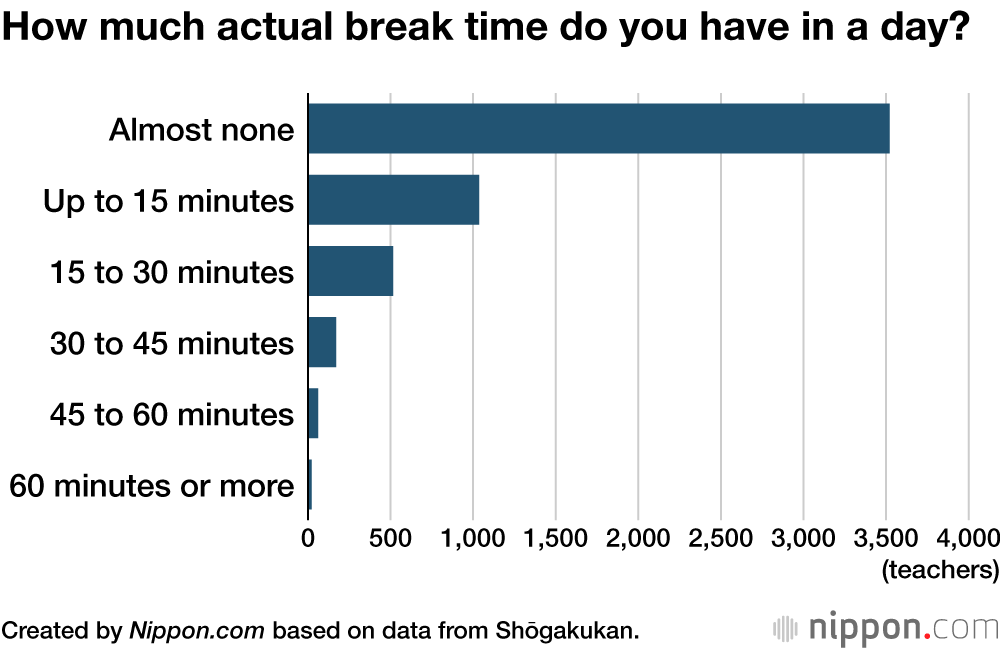
A concerning 65.6% – or 3,522 respondents – reported taking almost no breaks throughout the day. This figure jumps to 85% when including those with breaks lasting less than 15 minutes. Alarmingly, only 1.5% of teachers are able to take breaks of at least 45 minutes, as prescribed by Japan’s Labor Standards Act.
Did You Know? Karōshi, or “death from overwork,” is a recognized phenomenon in Japan, and while primarily associated with corporate culture, it’s increasingly impacting professions like teaching.
Impact on Teacher Health and Well-being
The relentless workload is taking a toll on teachers’ physical health. Many respondents shared they are unable to utilize bathroom breaks during the school day,leading to health issues like recurrent bladder inflammation.The pressure to complete tasks is so intense that teachers are sacrificing basic self-care needs.
The burden extends beyond school hours, with over half of the surveyed teachers taking work home at least three days a week. Teachers expressed feeling compelled to work from home due to an inability to complete tasks during the school day, or a lack of concentration in the school environment. One respondent poignantly stated, “Our workload keeps increasing, yet we’re encouraged to go home early. The result is that we have to take home a huge amount of work. I’ve had to give up on the idea of ever being happy as becoming a teacher.”
Furthermore, approximately 90% of teachers reported working on their days off, with 3,552 indicating they dedicate three to four days each month to work-related tasks on weekends or holidays.
Despite Challenges, Passion Remains
despite the arduous conditions, approximately 70% of teachers surveyed continue in their profession due to the fulfillment they derive from witnessing student progress and fostering connections within the classroom. This dedication highlights the passion that drives educators,even amidst overwhelming challenges.
Key Survey Findings
| Metric | Percentage |
|---|---|
| Teachers working over 10 hours/day | 80% |
| Teachers working over 12 hours/day | 25% |
| Teachers taking almost no breaks | 65.6% |
| Teachers taking <15 minute breaks | 85% |
| Teachers working on days off | 90% |
Pro Tip: Prioritizing workload management and advocating for increased support staff are crucial steps towards addressing this issue and fostering a sustainable work environment for Japanese teachers.
What systemic changes are needed to alleviate the burden on Japanese teachers? How can schools better support educator well-being and prevent burnout?
(Banner photo © Pixta.)
The Context of Teacher Workload in Japan
Japan’s education system is renowned for its rigor and emphasis on academic achievement. This, coupled with societal expectations and a culture of dedication, often contributes to long working hours for teachers.The expectation to provide complete support to students, including extracurricular activities and individualized attention, adds to the workload. Furthermore, administrative tasks and bureaucratic requirements can consume significant time, leaving less room for lesson planning and professional development.the aging population and declining birth rate in Japan also contribute to the pressure on teachers, as they are often tasked with supporting a smaller number of students with increasingly diverse needs.
Frequently Asked Questions
- What is causing the excessive workload for Japanese teachers? the combination of a rigorous education system, societal expectations, administrative burdens, and a declining student population all contribute to the problem.
- What are the health consequences of this overwork? Teachers are reporting physical ailments like bladder inflammation,and the long-term effects of chronic stress and burnout are a significant concern.
- Is this a new problem? While the issue has been present for some time, recent surveys indicate a worsening trend, highlighting the urgent need for intervention.
- What is being done to address this issue? Currently, there is growing awareness of the problem, but systemic changes are needed to reduce workload and provide adequate support for teachers.
- How does this compare to teacher workloads in other countries? While many countries face challenges with teacher workload, the extent of the problem in Japan appears to be particularly severe.
This situation demands immediate attention and collaborative solutions involving policymakers, school administrators, and teachers themselves.Investing in teacher well-being is not just a matter of fairness; it’s an investment in the future of Japan.
