
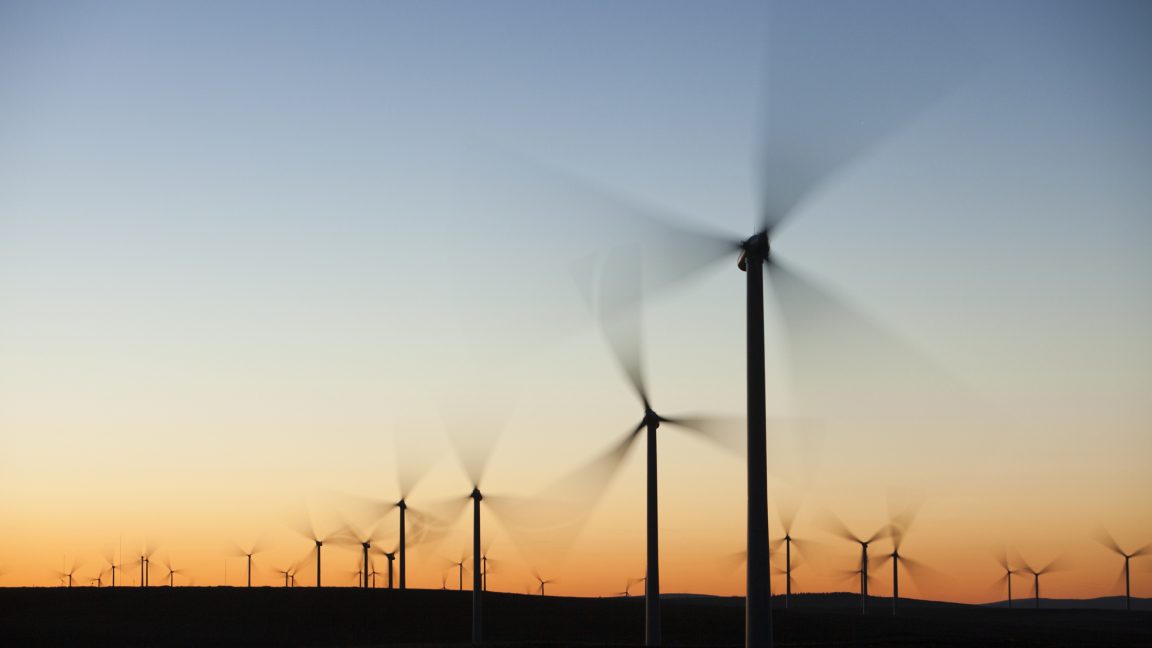
the Roots of Opposition to Wind Energy
Opposition to wind energy isn’t primarily driven by demographic factors, but by deeply held beliefs, including susceptibility to conspiracy theories. Research led by Kevin Winter and colleagues demonstrates this powerfully. A study in Germany revealed that belief in conspiracies had “many times more influence” on opposition to wind farms than any demographic characteristic. Critically, simply presenting factual data to those opposed proved largely ineffective.
More recent surveys conducted by Winter and colleagues in the US, UK, and australia reinforce this finding, suggesting that opposition is “rooted in people’s worldviews.” Individuals who dismiss climate change as a hoax or exaggeration are more readily convinced by misinformation regarding wind turbines – claims that they poison groundwater, cause power outages, or, as former US president Donald Trump stated, are “driving [the whales] loco.”
Wind farms, as visible symbols of climate policy, and their inherent technical complexity, make them notably vulnerable to thes theories. They can become focal points for anxieties surrounding modernization, energy independence, and governmental authority.
This presents a significant hurdle for those working to accelerate the transition to renewable energy, as Winter and colleagues point out. Addressing essential worldviews is far more challenging than debunking individual false claims.
Underlying the spread of misinformation, often fueled by financial or political interests, is a deeper issue. Some individuals struggle to accept that the fossil fuel technologies that historically provided prosperity and a sense of control are also contributing to environmental crises. These problems, moreover, cannot be solved through further technological advancements. This challenges a sense of invulnerability and dominance – a phenomenon academics term “anti-reflexivity,” defined as a reluctance to acknowledge the negative consequences of past achievements.
Furthermore,opposition is sometimes linked to identity. Certain online communities, such as elements within the “manosphere,” portray concern about climate change as undesirable or “effeminate.”
The shift in societal norms and values may also contribute to resistance. Many baby boomers, particularly white heterosexual men like Trump, have experienced disorientation as the world around them changes. The move towards clean energy can symbolize this broader transformation, potentially explaining Trump’s vocal criticism of ”windmills.”
This article is adapted from a piece originally published by Marc Hudson, Visiting Fellow at SPRU, University of Sussex Business School, University of Sussex, on The Conversation, and is republished under a Creative Commons license. The original article can be found here.
