How Climate Change Is Affecting Allergy Risks
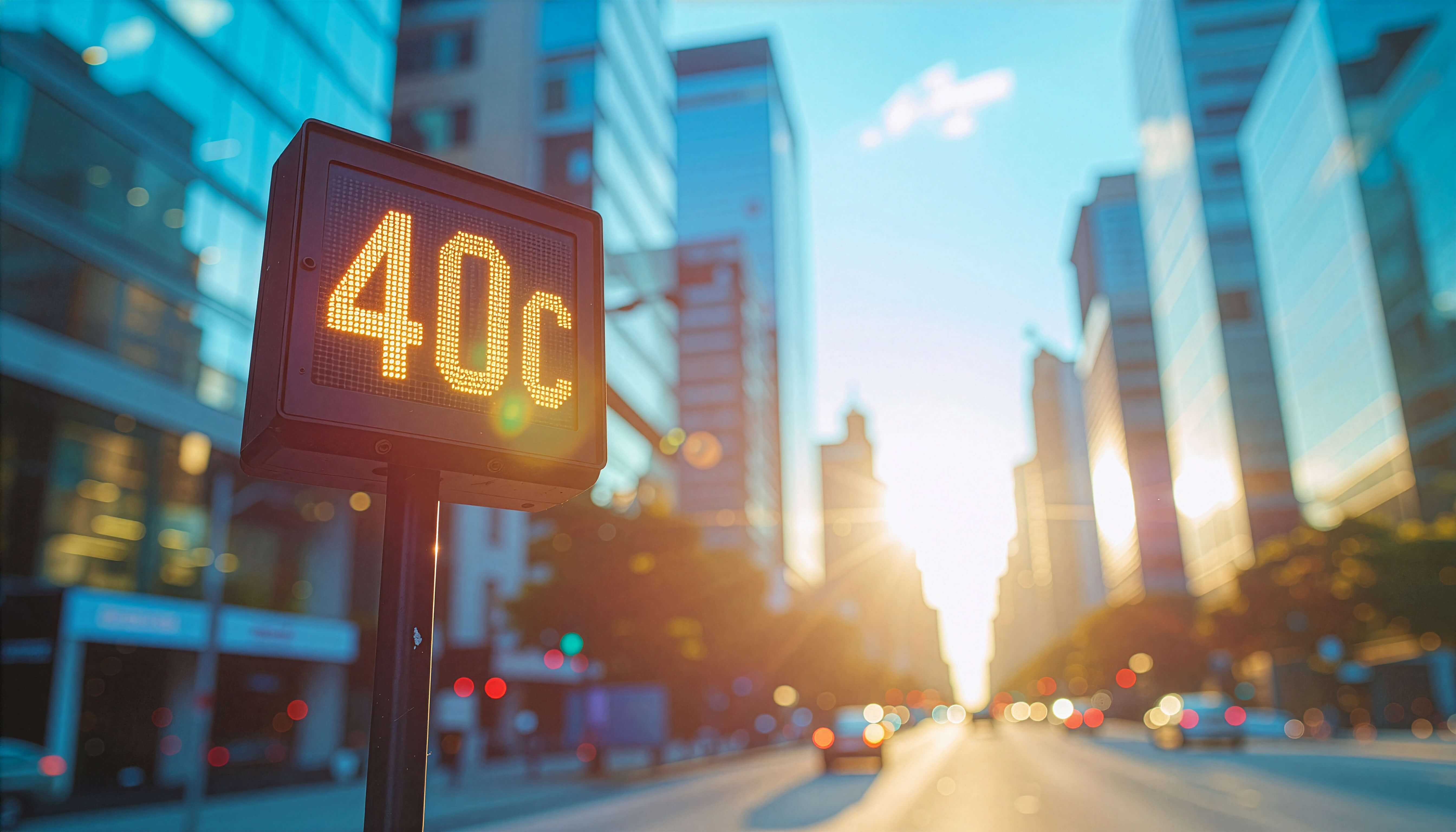
Climate change is actively shifting environmental exposure risks, lengthening pollen seasons and increasing allergic sensitization across Europe according to public health data. Rising global temperatures and elevated carbon dioxide concentrations accelerate plant growth cycles, resulting in higher airborne allergen loads and altering the geographical distribution of invasive plant species like ragweed.
Key Clinical Takeaways:
- Longer warmer seasons extend the duration of airborne pollen exposure, compounding morbidity for patients with allergic rhinitis and asthma.
- Rising atmospheric carbon dioxide levels directly stimulate higher pollen production per plant, intensifying symptom severity during peak pollination months.
- Proactive clinical management requires early diagnostic screening and personalized immunotherapy regimens tailored to shifting environmental triggers.
The Biological Mechanics of Climate-Driven Allergen Amplification
The pathogenesis of allergic disease relies heavily on environmental triggers interacting with mucosal immune systems. Per findings published in environmental health literature, prolonged warm spells allow allergenic trees, grasses, and weeds to release pollen weeks earlier in the calendar year. Elevated ambient carbon dioxide functions as a fertilizer for allergenic flora, increasing both the protein allergenicity of individual pollen grains and total biomass production.
Data from the World Health Organization (WHO) indicate that these shifts alter standard of care approaches for chronic respiratory conditions. When patients experience extended exposure windows, standard antihistamines and nasal corticosteroids often require adjustments in dosing schedules or year-round maintenance to prevent systemic inflammatory cascades. Clinicians must evaluate changing patient profiles against historical baseline symptom charts.
Epidemiological Shifts and Regional Vulnerabilities
Urban heat islands exacerbate these biological vectors, trapping particulate matter and air pollutants that interact chemically with pollen grains. This synergy fractures the outer shell of the pollen, releasing allergenic micro-particles that penetrate deeper into the lower respiratory tract. Consequently, populations face rising rates of hyperreactivity and adult-onset allergic asthma.
Addressing these complex environmental health challenges requires multidisciplinary oversight and specialized intervention strategies. For individuals managing escalating respiratory sensitivities, scheduling a consultation with [Relevant Clinic/Professional/Service] ensures access to advanced pulmonary diagnostics and evidence-based desensitization therapies. Similarly, coordinating with [Relevant Clinical/Diagnostic Center] provides precise allergen component testing necessary for targeted immunotherapy.
Future Trajectories in Allergy Management
As epidemiological models project continued temperature anomalies over the coming decade, clinical allergy practice is shifting from reactive symptom suppression to preemptive immunomodulation. Researchers emphasize that mitigating long-term morbidity relies on timely intervention before sensitization progresses to chronic airway remodeling. Patients and providers must adapt to these shifting ecological baselines by integrating real-time pollen monitoring into daily management plans.
Navigating these complex diagnostic pathways often benefits from specialized clinical support. Patients seeking comprehensive evaluation can consult [Allergy and Immunology Specialist] to review emerging biologic treatments and long-term care frameworks designed for modern environmental realities.
*Disclaimer: The information provided in this article is for educational and scientific communication purposes only and does not constitute medical advice. Always consult with a qualified healthcare provider regarding any medical condition, diagnosis, or treatment plan.*