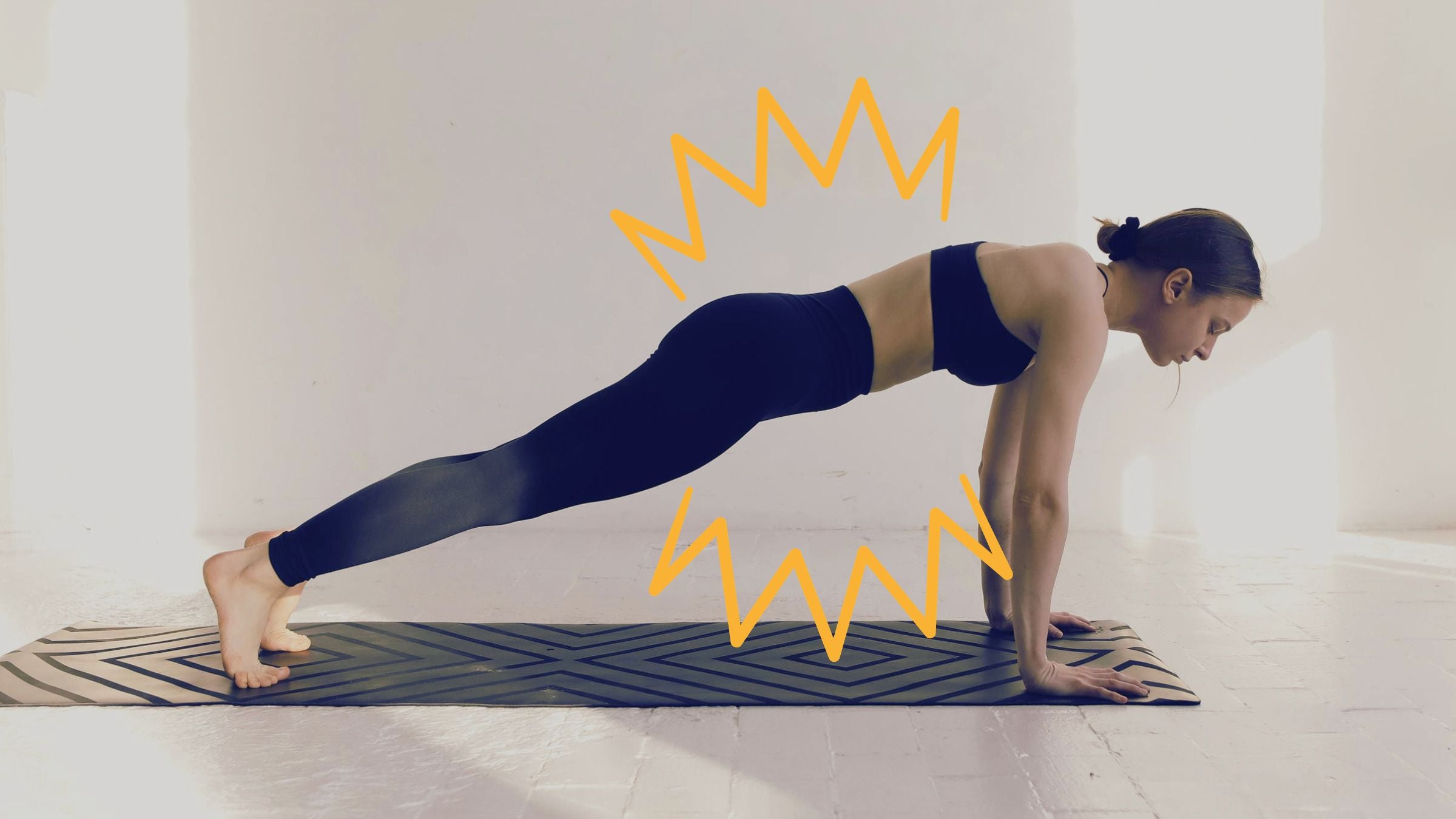
Why Your Muscles Shake in Yoga and What It Means
The sudden, uncontrollable tremor in a quadriceps or abdominal wall during a challenging yoga hold is rarely a sign of failure. Instead, We see a visceral manifestation of the neuromuscular system operating at its absolute limit, signaling a critical intersection between anatomical capacity and physiological demand.
Key Clinical Takeaways:
- Muscle shaking during yoga is often a result of motor unit recruitment and neuromuscular fatigue during isometric contraction.
- Core muscle activation is intrinsically linked to trunk and pelvic movements, serving as a primary defense against musculoskeletal disorders (MSDs).
- Sedentary lifestyles contribute to the weakening of core stability, increasing the probability of injury during high-tension postures.
The phenomenon of muscle shaking, often viewed with frustration by practitioners, represents a significant clinical window into the body’s stability mechanisms. This instability is not merely a lack of strength but a complex interaction of muscle fiber recruitment. When the body is pushed into a state of high isometric tension, the nervous system must constantly rotate the activation of motor units to maintain the posture. As these units fatigue, the “handoff” between them becomes less seamless, resulting in the visible tremors known as muscle shaking. For many, this is the first encounter with their own physiological boundaries, particularly in the core and pelvic regions.
The Anatomical Correlation of Core Activation
Understanding why these tremors occur requires a deep dive into the functional anatomy of the trunk. Research published in the International Journal of Yoga, specifically a study conducted by researchers at the Department of Anatomy, AIIMS, Raipur, highlights the precise anatomical correlation of core muscle activation across different yogic postures. The study, authored by Dr. Mrithunjay Rathore and colleagues, utilized Electromyography (EMG) to quantify how specific asanas engage the core. The findings indicate that core activation is not a monolithic event but is highly dependent on the specific trunk and pelvic movements required by the pose.

The AIIMS Raipur research emphasizes that the activation of specific core muscles is a direct result of the anatomical demands placed on the trunk and pelvis during yogic exercises, providing a scientific basis for using these postures in rehabilitation programs.
This research, which was presented as an open-access contribution to the scientific community, underscores the importance of precise alignment. When the core fails to activate efficiently—often due to the pathogenesis of muscle atrophy from a sedentary lifestyle—the body attempts to compensate by recruiting secondary muscles. This inefficient recruitment pattern is a primary driver of the shaking sensation and, if left unaddressed, can lead to suboptimal alignment and increased risk of injury.
Sedentary Lifestyles and the Pathogenesis of MSDs
The clinical gap between a sedentary professional life and the demands of a yoga practice is where most injuries occur. The AIIMS Raipur study explicitly links faulty postures resulting from sedentary lifestyles to the weakening of core muscles. This weakness is not benign; it is a contributing factor to the increased incidence of musculoskeletal disorders (MSDs). When the core—the body’s central stabilization system—is compromised, the stress of maintaining a pose is transferred to the joints and ligaments, rather than being absorbed by the musculature.
For individuals experiencing persistent instability or chronic pain that transcends simple muscle fatigue, the transition from a home practice to clinical intervention is necessary. Those identifying with the patterns of MSDs described in the research should consult board-certified physical therapists to develop a structured rehabilitation plan that addresses core deficits before attempting advanced asanas.
Neuromuscular Adaptation and Injury Prevention
The goal of yoga anatomy is not simply flexibility, but the integration of strength and alignment to prevent injury. As noted by experts in yoga anatomy, understanding the muscle system allows practitioners to move from a state of blind effort to informed engagement. By focusing on the key muscles involved in specific poses, practitioners can enhance their alignment and reduce the morbidity associated with joint strain. This process involves a conscious shift in focus: instead of fighting the shake, the practitioner learns to stabilize the pelvis and trunk, thereby optimizing the motor unit recruitment process.
This anatomical awareness is particularly vital when working through sequences designed for the abs and core. Strengthening these areas does more than improve balance; it creates a protective sheath around the spine. However, when tremors are accompanied by sharp pain or joint instability, it may indicate a deeper clinical issue. In such cases, consulting sports medicine specialists is recommended to rule out structural pathology or severe neuromuscular dysfunction.
The Clinical Trajectory of Core Stability
The current state of clinical research suggests that the integration of yogic postures into rehabilitation programs is a viable strategy for treating MSDs, provided the intervention is grounded in functional anatomy. The shift toward evidence-based yoga—where EMG data and anatomical correlations dictate the prescription of exercises—marks a departure from traditional practice toward a medicalized model of wellness. The focus is no longer just on the “stretch,” but on the precise activation of the stabilizer muscles of the trunk.
As we continue to refine the understanding of how trunk and pelvic movements trigger core activation, the ability to prescribe specific asanas for targeted clinical outcomes will improve. The future of musculoskeletal health lies in this synergy between ancient practice and modern diagnostic tools. For those seeking to bridge the gap between their current physical state and their wellness goals, accessing vetted healthcare providers is the safest path forward. Whether through the guidance of specialized rehabilitation centers or primary care physicians, the objective remains the same: moving from instability to sustainable strength.
Disclaimer: The information provided in this article is for educational and scientific communication purposes only and does not constitute medical advice. Always consult with a qualified healthcare provider regarding any medical condition, diagnosis, or treatment plan.