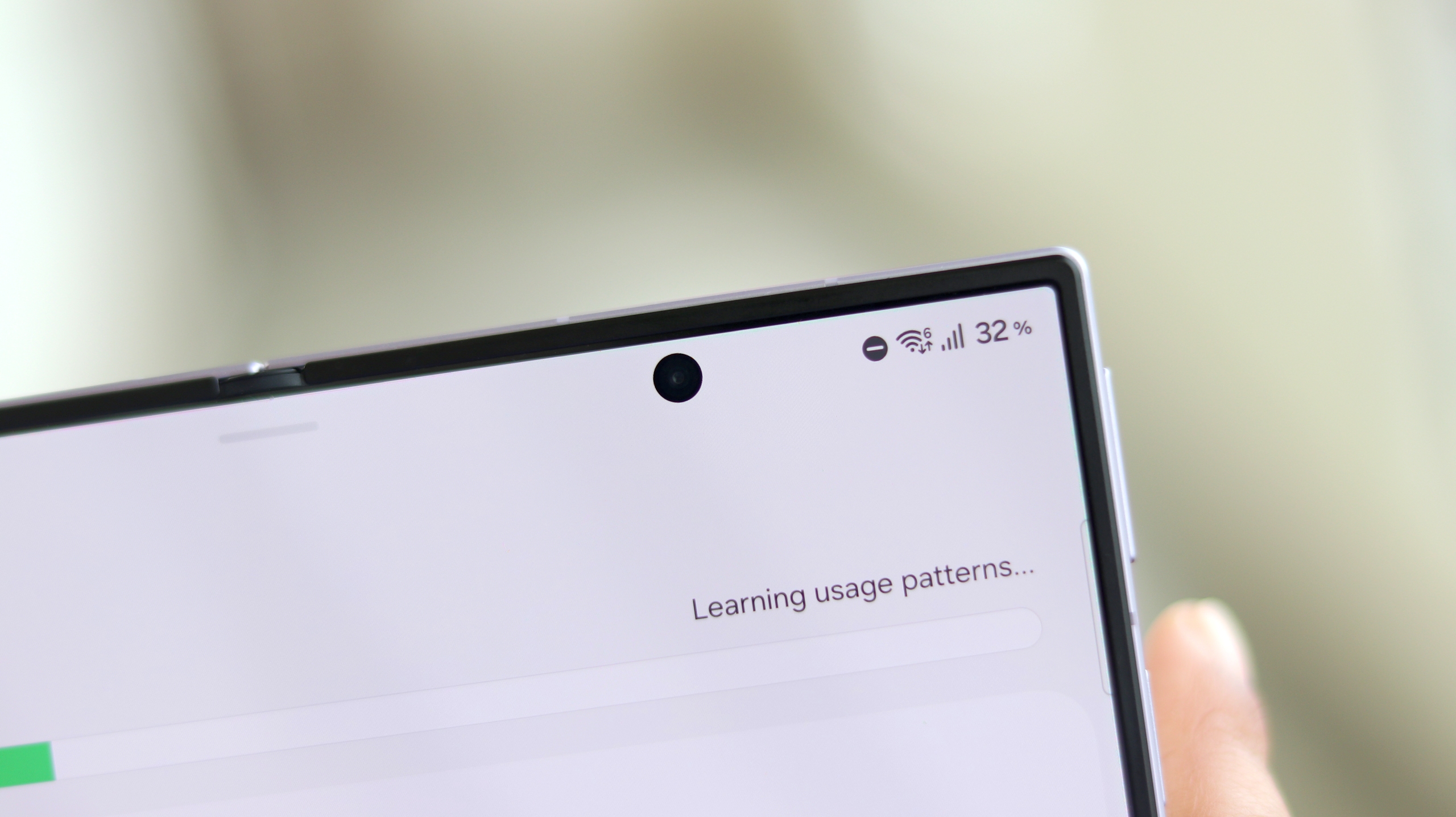
Why the Galaxy Z Fold 8 Should Ditch Its Inner Selfie Camera
The Galaxy Z Fold 8 Hardware Bottleneck: Why the Inner Camera Architecture Demands a Rethink
The Galaxy Z Fold 8, released in the current 2026 cycle, represents a significant shift in foldable aspect ratios, yet it retains a contentious hardware legacy: the persistent inner selfie camera. While marketed as a feature for video conferencing, the physical presence of this camera array creates a non-trivial obstruction in the user’s primary workspace, impacting both UI/UX immersion and internal component density. Technical analysis suggests that the persistent inclusion of this module restricts the optimization of the device’s stereo speaker architecture, creating a trade-off that favors a rarely utilized feature over high-fidelity audio output.
The Tech TL;DR:
- Display Obstruction: The Infinity-O cutout on the 7.6-inch display interferes with critical UI elements in full-screen applications, specifically gaming and productivity dashboards.
- Acoustic Constraints: The current internal layout forces speakers to the cover-screen half of the chassis, resulting in poor stereo separation when the device is deployed in landscape orientation.
- Hardware Trade-off: Removing the inner camera module could provide the necessary board space to relocate speakers for true, balanced stereo sound.
Architectural Obstructions and UI Latency
The core issue with the Galaxy Z Fold 8’s inner camera is not merely aesthetic—it is a functional bottleneck. According to user reports and hands-on testing, the camera cutout frequently overlaps with essential UI components in high-density applications. For instance, in titles like Magic: The Gathering Arena or League of Legends: Wild Rift, the physical hole-punch obscures real-time data such as currency counts and match timers. This forces a compromise: the user must either rotate the device—introducing potential thermal management issues by shifting the SoC’s primary heat sink—or accept a permanent loss of information visibility.
As noted by Brady Snyder at Android Authority, the transition to a 4:3 aspect ratio on the Z Fold 8 has made the device significantly more capable in portrait mode. For enterprise users utilizing split-screen multitasking or complex project management boards, the cutout acts as a “dead zone” in the center of the workspace.
The Acoustic Engineering Deficit
Beyond screen real estate, the Z Fold 8 demonstrates a clear limitation in its acoustic architecture. Because both stereo speakers are housed within the cover-screen module, the soundstage collapses whenever the device is unfolded into landscape mode. Effectively, all audio emanates from a single side of the device, negating the spatial separation expected of a premium flagship.

Relocating the upper speaker to the opposite half of the chassis—an area currently occupied by the inner selfie camera—would solve this spatial issue. By clearing the internal space currently dedicated to the camera module, engineers could theoretically implement a more balanced acoustic driver configuration. This change would not affect the device’s folded utility, as the speakers would simply transition from a horizontal to a vertical orientation relative to the user.
// Logic for dynamic audio channel mapping based on Fold state
if (device.isUnfolded() && device.getOrientation() == LANDSCAPE) {
    audioSystem.mapChannels(speakerLeft: chassisA, speakerRight: chassisB);
} else {
    audioSystem.mapChannels(speakerLeft: chassisA, speakerRight: chassisA);
}
Refining the Foldable Lifecycle
Samsung’s iterative approach to the Z Fold series, as reported by DroidFeats, focuses on incremental refinements like shrinking the outer display punch-hole. However, the reliance on under-display camera (UDC) technology for the inner screen remains a point of contention. While the UDC attempts to hide the camera, it does not solve the physical space constraints that prevent better speaker placement. As the industry matures, the focus on “less is more” for hardware components may become the next logical step for foldable innovation.
If a device feature like an inner selfie camera is utilized by less than 50% of the user base—as indicated by recent polls—it represents a candidate for deprecation in favor of higher-value engineering, such as improved thermal dissipation or, in this case, audio fidelity.
Disclaimer: The technical analyses and security protocols detailed in this article are for informational purposes only. Always consult with certified IT and cybersecurity professionals before altering enterprise networks or handling sensitive data.