
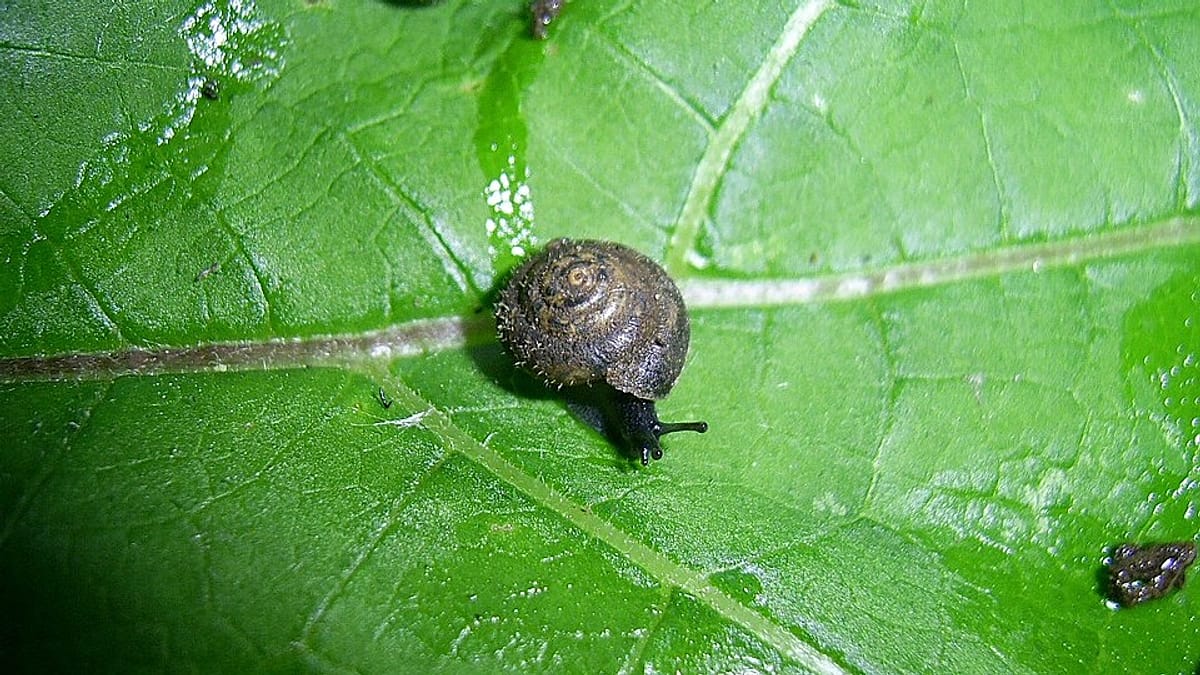
London, UK – November 27, 2025 – A city-wide effort is underway to locate and protect the critically endangered German hairy snail, a species no larger than a fingernail, as conservationists and citizen scientists collaborate on urgent surveys across London.
More than 100 volunteers are participating in the surveys, led by Citizen Zoo and the Zoological Society of London (ZSL), to map the distribution of the rare mollusc and inform targeted conservation strategies. Despite its historical presence – fossilized remains suggest it inhabited Britain sence at least the Neolithic period and potentially as far back as the last Ice Age – the German hairy snail wasn’t officially recorded in Britain until 1982.
Named for the tiny fibers covering its shell, which aid in moisture retention and clinging to vegetation, the snail’s population has drastically declined due to habitat loss and pollution.It is now believed to be restricted to fragmented patches along the River Thames.
“These surveys will help us understand how the snail is faring and how we can protect it,not only securing their future for years to come but also helping safeguard green spaces throughout London for people and wildlife for future generations,” explains Joe Pecorelli,a freshwater conservation program manager at ZSL.
Survey teams, supported by partners including London Wildlife Trust, the Conchological Society of Great Britain and the Port of London Authority, have already identified the snail in locations such as Richmond upon Thames, Iselworth Ait, and near Kew.
Elliot Newton, Director of rewilding at Citizen Zoo, described his excitement upon discovering one of the snails, calling them “stunning, curious-looking” creatures. “the surveys show how, by working together across the capital with many partners and empowering local communities, we can gain a deeper understanding of London’s more hidden biodiversity and take steps to protect it,” he added.
