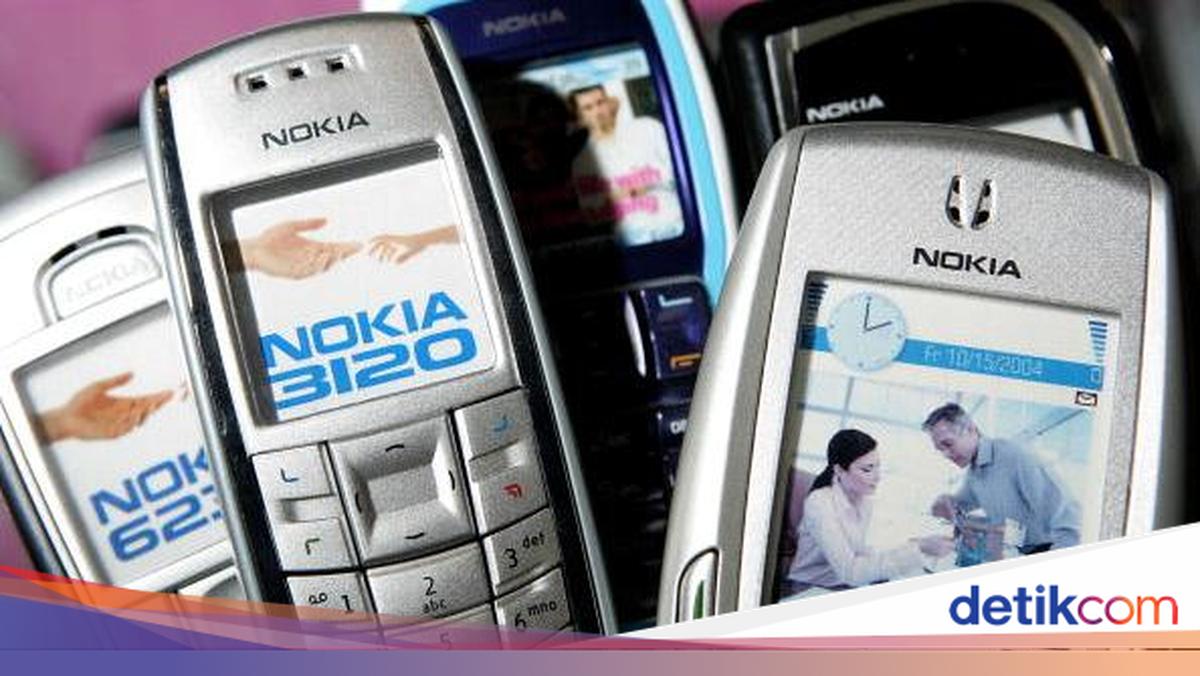
Why Nokia Fell: The Mistakes That Toppled the Former Mobile King
From Tampere Pulp Mill to Global Telecom Titan
Founded in 1865 in Finland by Fredrik Idestam, the company initially operated as a pulp mill before expanding into rubber, cables, and eventually telecommunications through Mobira Oy.
By the 1990s and early 2000s, the brand commanded the global mobile market through unique hardware designs and aggressive expansion. Yet by 2013, the phone business was sold to Microsoft after market share collapsed.
Executive Arrogance and the Symbian Blind Spot
Nokia lost its dominant position as the world’s leading mobile phone manufacturer due to executive overconfidence, a slow transition to touchscreen smartphones, and an inflexible reliance on the aging Symbian operating system.
Management grew dismissive of technical warnings from employees and relied heavily on short-term sales of unique hardware rather than investing in modern operating systems.
Internal Intimidation and Flawed Strategic Assumptions
Internal intimidation hindered operations. Middle managers feared delivering accurate performance data to leadership.

This cultural barrier left top executives making major strategic choices based on flawed assumptions.
The Touchscreen Revolution and the Rise of Apple and Android
Nokia’s decline accelerated when Apple introduced the iPhone with a touchscreen interface and an accessible application ecosystem, followed by Google’s Android.
While competitors built robust digital ecosystems, Nokia clung to physical keyboards and the Symbian operating system.
Consumer Frustration and Too-Late Pivots to MeeGo and Windows Phone
Consumers repeatedly complained that Symbian was sluggish and outdated, but the company kept pushing devices with the same software while dismissing Android.
Attempts to pivot came too late. When Nokia finally tried to catch up using MeeGo and Windows Phone, competitors had already captured the market.
Bureaucratic delays and a reluctance to take risks left the hardware giant unable to match the modern user experience demanded by consumers.