Why More Medical Testing Doesn’t Mean Better Health
The False Allure of Unlimited Health Data
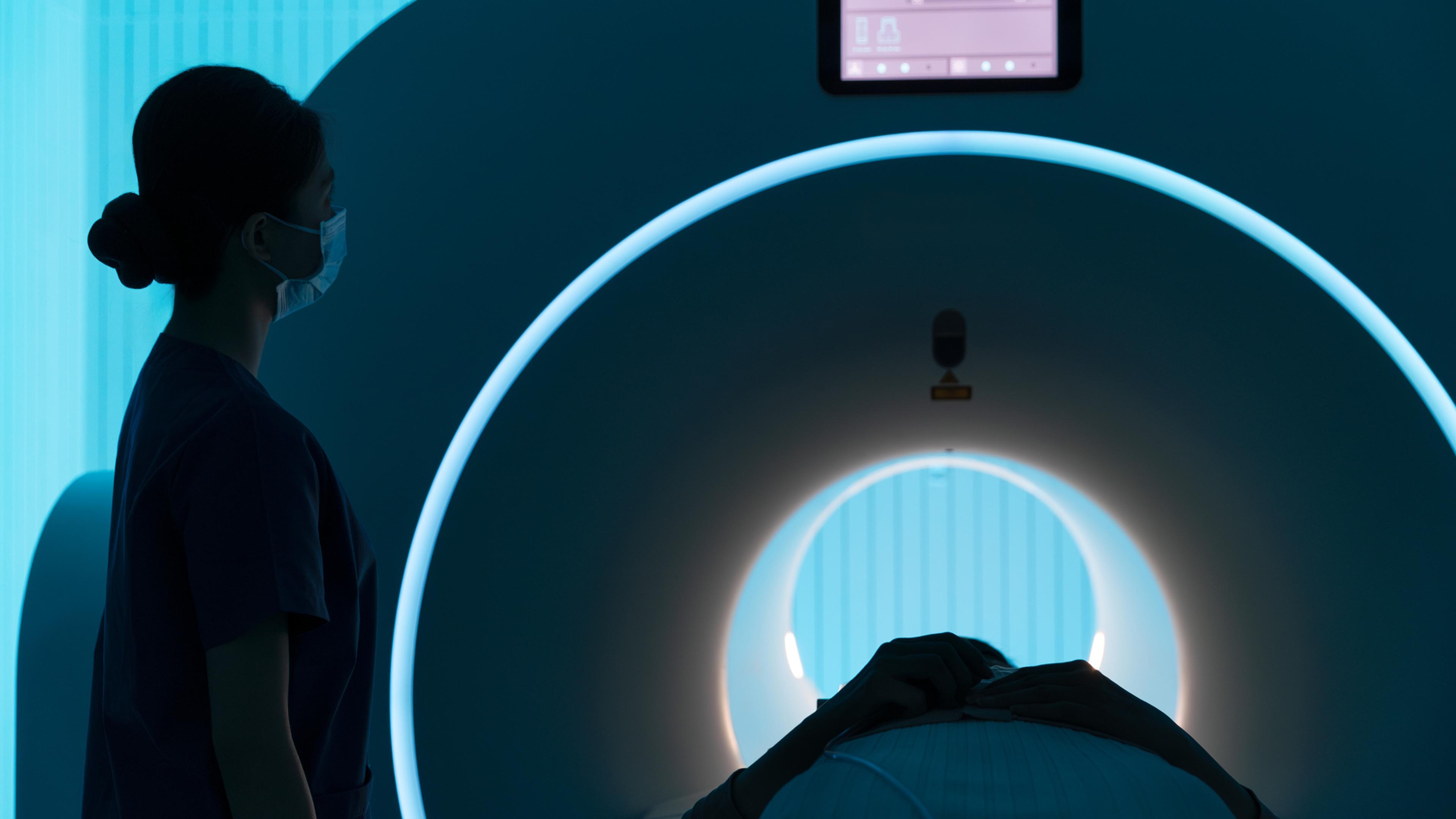
Today, individuals can bypass traditional primary care to purchase full-body magnetic resonance imaging (MRI) scans, coronary calcium CT scans, vascular ultrasounds, and direct-to-consumer lab panels checking upwards of 100 biomarkers. More visibility feels like control. Yet, as medical professionals point out, diagnostics are meant to serve an established clinical story rather than replace one. When testing becomes an automated reflex rather than a deliberate choice, it frequently works against the patient.

Buying panels without clinical context creates a statistical certainty of catching noise rather than actionable signal. Reference ranges on standard lab work reflect population averages rather than an individual’s personal baseline, making outliers mathematically inevitable.
How the Diagnostic Cascade Harms Patients
Finding an incidental mass or an out-of-range biomarker often triggers a cascading series of events known as the diagnostic cascade. As detailed in primary radiological evaluations, discovering small, indolent masses in organs like the thyroid or kidney frequently leads to aggressive surgical interventions that do not improve survival rates for most people.

When a test cannot clearly answer a specific clinical question or alter an active treatment plan, it generates secondary harms. These include surgical complications, the psychological burden of a frightening diagnosis, and mounting financial strain. The likelihood of benefit depends heavily on an individual’s baseline risk profile. A screening tool that yields life-saving insights for a high-risk patient with a genetic predisposition can cause pure harm when deployed indiscriminately across a healthy general population.
Shifting from Surveillance to Intentional Wellness
Continuous biometric tracking via wearables and round-the-clock lab monitoring can induce hypervigilance fatigue. When every minor fluctuation in heart rate or sleep scores demands interpretation, the human body stops feeling like a lived experience and transforms into a stressful dashboard to manage.
Establishing true long-term well-being requires prioritizing foundational health pillars—such as metabolic balance, consistent sleep, and proper nutrition—over hunting for microscopic anomalies. Unstructured testing without a clear clinical rationale offers no advantage over targeted, evidence-based care.
When evaluating whether to run a diagnostic screen, patients are encouraged to ask four foundational questions: What specific question does this answer? How will the result alter the care plan? Is this the right timing within my personal health history? What baseline and trend are we tracking?
The pursuit of data must never eclipse the art of healing. True healthcare precision demands that every diagnostic tool serves an intentional purpose, protecting patients from the hidden perils of knowing too much too soon.