Why College Admissions Offices Are Getting Friendlier as Student Enrollment Drops
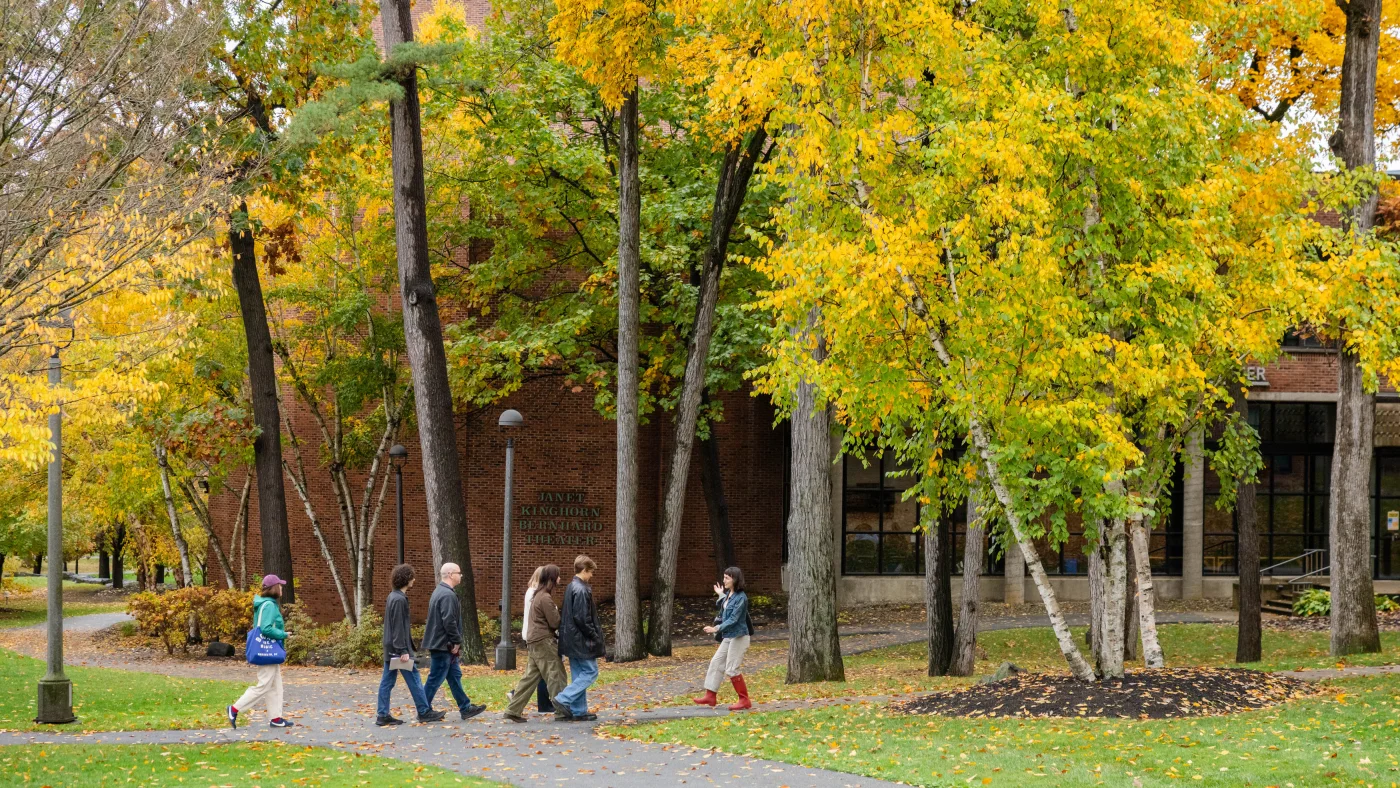
“You’re lucky if you come here,” is how 17-year-old high school senior Alex Zaret’s father, Owen, described the traditional ivory tower approach of college admissions during a tour of the Skidmore College campus in Saratoga Springs, New York.
Facing a shrinking pool of traditional-age freshmen and declining college-going rates, college admissions offices across the United States are shifting away from their historical reputations as intimidating “offices of rejection” and adopting a much friendlier posture, according to reporting.
Shrinking Student Pools Drive New Recruitment Strategies
The supply of traditional-age freshmen nationwide is projected to drop by 13 percent over the next 15 years, according to data from the Western Interstate Commission for Higher Education cited by npr.org. Figures from the Bureau of Labor Statistics show that the proportion of high school graduates enrolling in college has fallen from 70 percent in 2016 to 63 percent in 2024. Amid these declining numbers, two-thirds of admissions leaders reported trouble meeting enrollment targets in at least one of the past two years, based on a survey by the ratings platform Niche.

To combat these headwinds, institutions are modifying their admissions mechanics. Public universities in 17 states now admit high school students who have not even applied, as noted by the Education Commission of the States; more than 150 private colleges also make direct admissions offers to students who fill out the Common App, a standardized online application used by about 1,200 institutions. Individual schools are also waiving application fees and offering additional financial aid incentives specifically for students who attend campus tours.
Acceptance Rates Rise While Public Perception Lags
Despite the intensifying competition for each student, getting accepted into college is generally easier than it has been in the past, according to data from the National Association for College Admission Counseling (NACAC). Angel Pérez, CEO of NACAC, noted that the majority of United States institutions actually accept the majority of students who apply. Nearly 8 in 10 first-year applicants to public colleges and roughly 7 in 10 applicants to private institutions gain admission, representing an increase from 68 percent and 65 percent respectively about a decade ago. Data cited shows that nearly 9 in 10 private, nonprofit four-year universities admit half or more of their applicants.
This reality contrasts sharply with public perception. A Pew Research Center survey cited by npr.org found that more than 40 percent of 18- to 29-year-olds mistakenly believe that college admissions have become harder compared to their parents’ generation. Pérez attributed this disconnect to an intense public focus on ultra-selective institutions such as Caltech, Harvard, Princeton, and Stanford, which each accept roughly 1 in 25 applicants. NACAC figures show that only 33 colleges and universities nationwide admit 10 percent or less of their undergraduate applicants.
Declining Yield Rates Force Deeper Faculty Involvement
As students hedge their bets by applying to multiple institutions—Common App users now average more than seven applications each—enrollment managers face significant difficulty predicting enrollment numbers, a metric known as yield. Federal data cited by npr.org shows that average yield rates dropped from 32 percent in 2014 to 22 percent in 2024 at public institutions, and from 24 percent in 24 percent to 18 percent in 2024 at private, nonprofit colleges. Consequently, colleges must admit roughly five times as many students as they need to enroll, putting pressure on campuses to persuade accepted applicants to deposit.
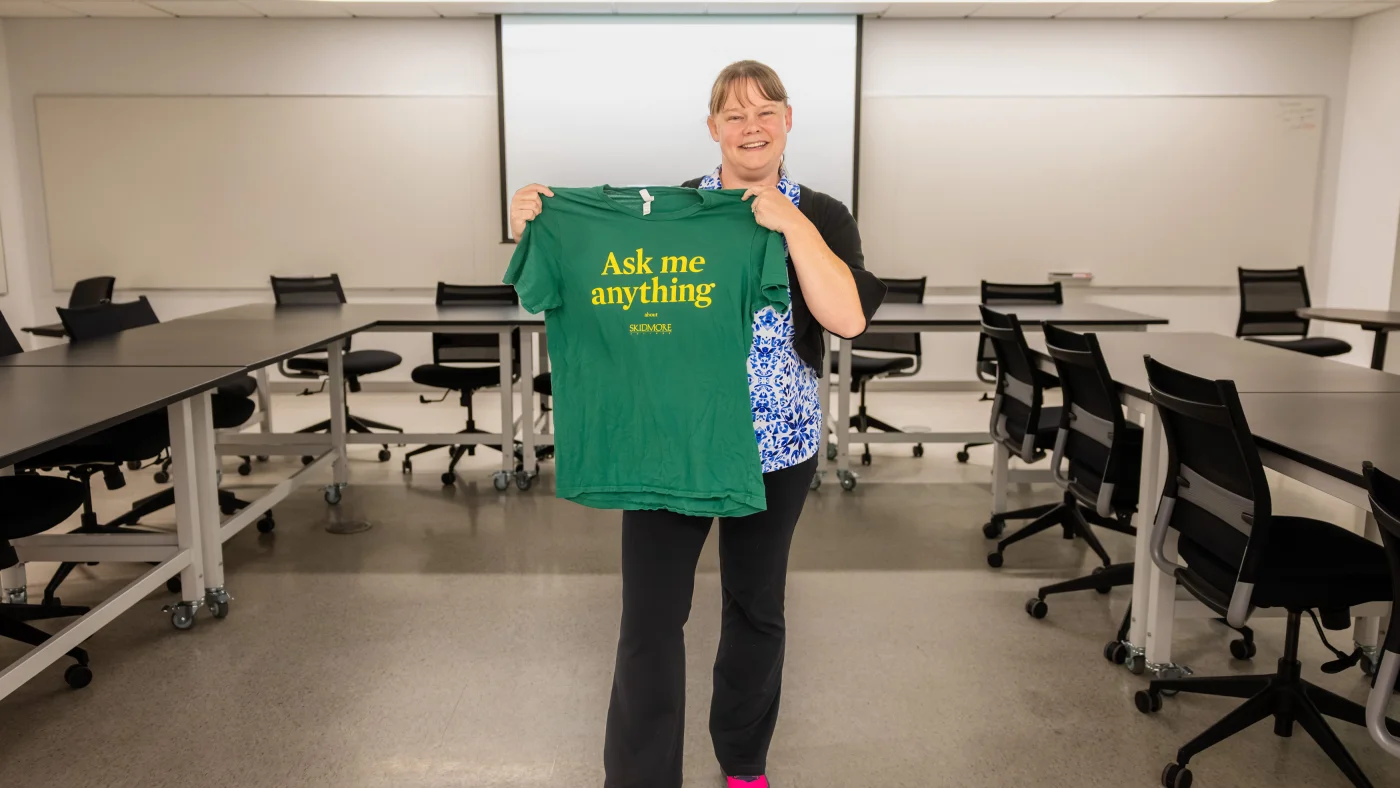
To secure commitments, institutions like Skidmore College, Ohio Northern University, and Washington College are enlisting faculty members to meet with prospective students, open their classrooms, and host campus visitors.