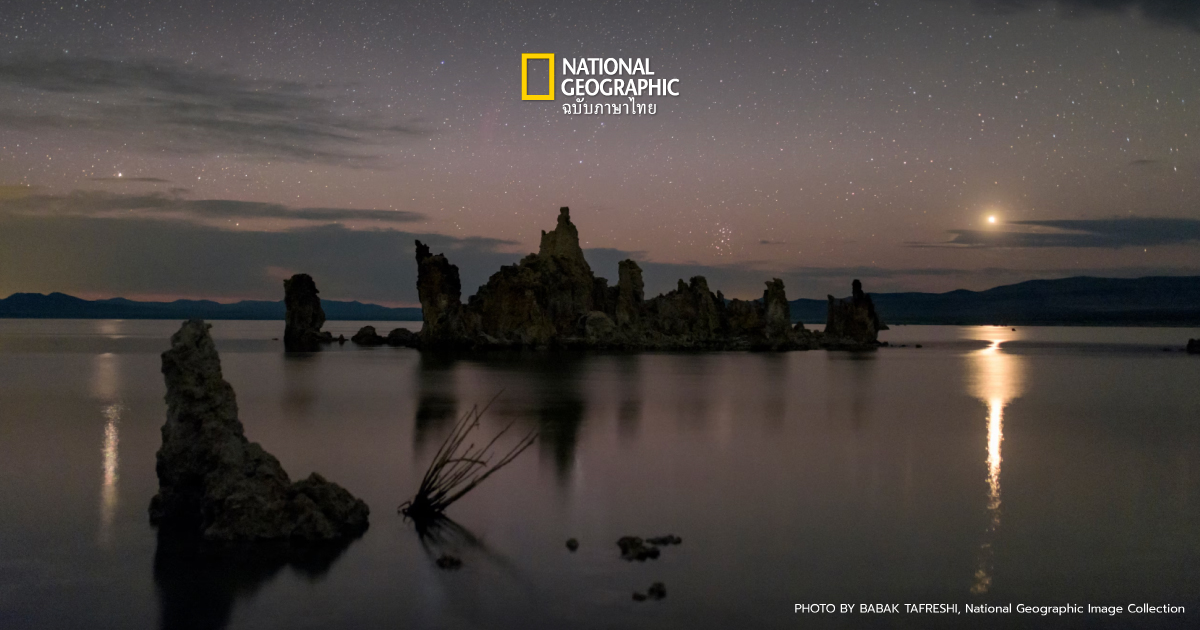
Why Capella Flashes Red, Green, and Blue This Autumn
Capella flashes red, green and blue in the night sky — and the star itself has nothing to do with it. The color show, astronomers say, is Earth’s atmosphere at work.
The star, one of the most luminous in the sky, appears to flicker through shifting hues. The light is not changing. It is being bent and scattered on its way down to us.
Emily Watson, an astrophysics physicist and Director of the Simulator at the United States Space and Rocket Center, attributes the flashing to atmospheric turbulence.
“When light from a star travels through Earth’s atmosphere, which has varying densities and temperatures, the light is deflected in what is known as atmospheric refraction,” she said.
That disturbance keeps deflecting the starlight, shifting its direction constantly. White light from stars carries many wavelengths, and turbulence bends each color at a different degree. The result: a rapidly shifting sequence of colors.
The reason is geometry. Stars are so distant they appear as single points of light, easily distorted by the atmosphere. Planets are much closer and appear as small circular disks — the distortion gets averaged across that entire surface, smoothing out the flicker.
Capella is the sixth brightest star in the nighttime sky, and its visibility is only part of the story. It is not one star but a system: two massive giant stars orbiting each other every 104 days, along with two red dwarfs.
Position matters most. In autumn in the Northern Hemisphere, Capella sits low near the horizon. Light from a low-altitude star cuts a much longer path through the atmosphere, raising the odds of hitting turbulent air — and intensifying the multi-color flashing.
The display changes with the calendar. As autumn gives way to winter, Capella climbs higher in the sky. The light travels a shorter distance through the atmosphere, distortion drops, and the star shows its natural yellowish-white hue — though it can still twinkle.
For those who want to catch the phenomenon, the best window is late evening in autumn, when the star sits in the northeast. That is Capella.